

Key Takeaways
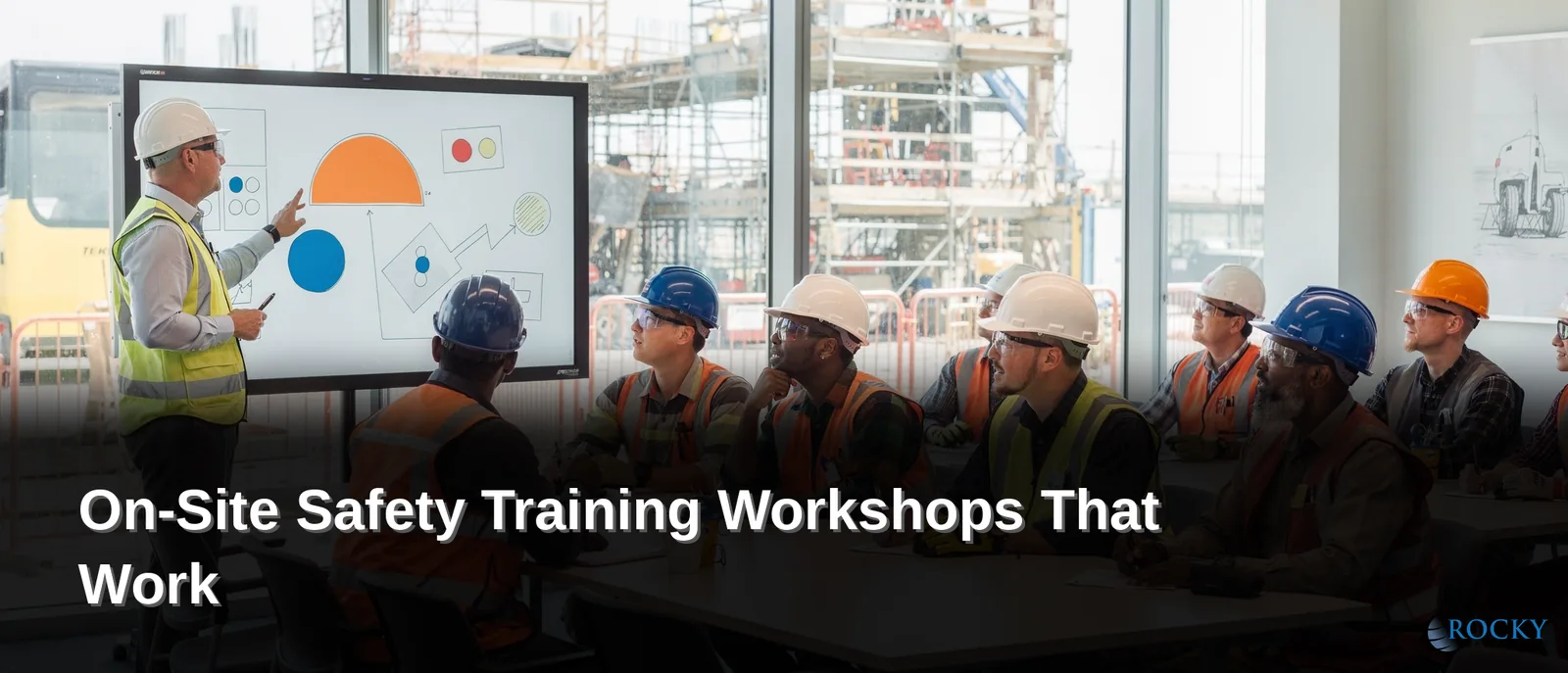
- On-site workshops bring OSHA-required safety training directly to your Doral workforce, eliminating scheduling conflicts.
- Comprehensive training covers hazard identification, compliance requirements, and practical safety protocols for your 17-person team.
- Certified safety professionals conduct customized workshops addressing your specific industry risks and operational needs.
- Post-training audits and safety program development ensure sustained workplace compliance and injury prevention.
Why Choose On-Site Safety Training Now?
What Makes On-Site Training More Effective Than Off-Site Courses?
Why Does Choosing the Right Safety Partner Matter So Much?

What Does An Onsite OSHA Workshop Include?
How Do The 10-Hour And 30-Hour Courses Differ?
Which Industries Do These Programs Cover?

How Do Practical Safety Workshops Reduce Incidents?
Why does hands-on instruction work better than classroom-only training?
What role does proactive inspection play in preventing future incidents?
- On-site hazard walkthroughs led by an onsite safety instructor
- Equipment-specific drills tied to actual job tasks
- Follow-up audits to confirm protocol adherence
- A custom on-site safety training program built around findings from the initial assessment
Who Should Lead Your Onsite Safety Instructor Sessions?
What qualifications should an onsite instructor hold?
Should instructors be internal staff or outside consultants?
How Do You Build A Custom Training Program?
- South Florida operations often contend with dense urban construction sites and healthcare compliance demands.
- West Coast Florida businesses face distinct operational and environmental conditions.
- Central Florida facilities require tailored strategies suited to their industrial mix.
Why does on-site delivery matter for program design?
What Makes Bilingual And Industry-Specific Training Matter?
Why does bilingual training reduce workplace incidents?
What does industry-specific training look like in practice?
How Does Onsite Support Differ From Online Training?
What makes onsite training more practical than remote options?
Why does field experience matter for onsite providers?
| Factor | Onsite Training | Online Training |
|---|---|---|
| Location | At the facility, on real equipment | Remote, screen-based |
| Support | Account managers, ongoing compliance guidance | Course access only |
| Scheduling | Provider comes to the client | Sessions fit around a fixed platform |