Workplace Safety & OSHA Compliance Training | Rocky Zapata
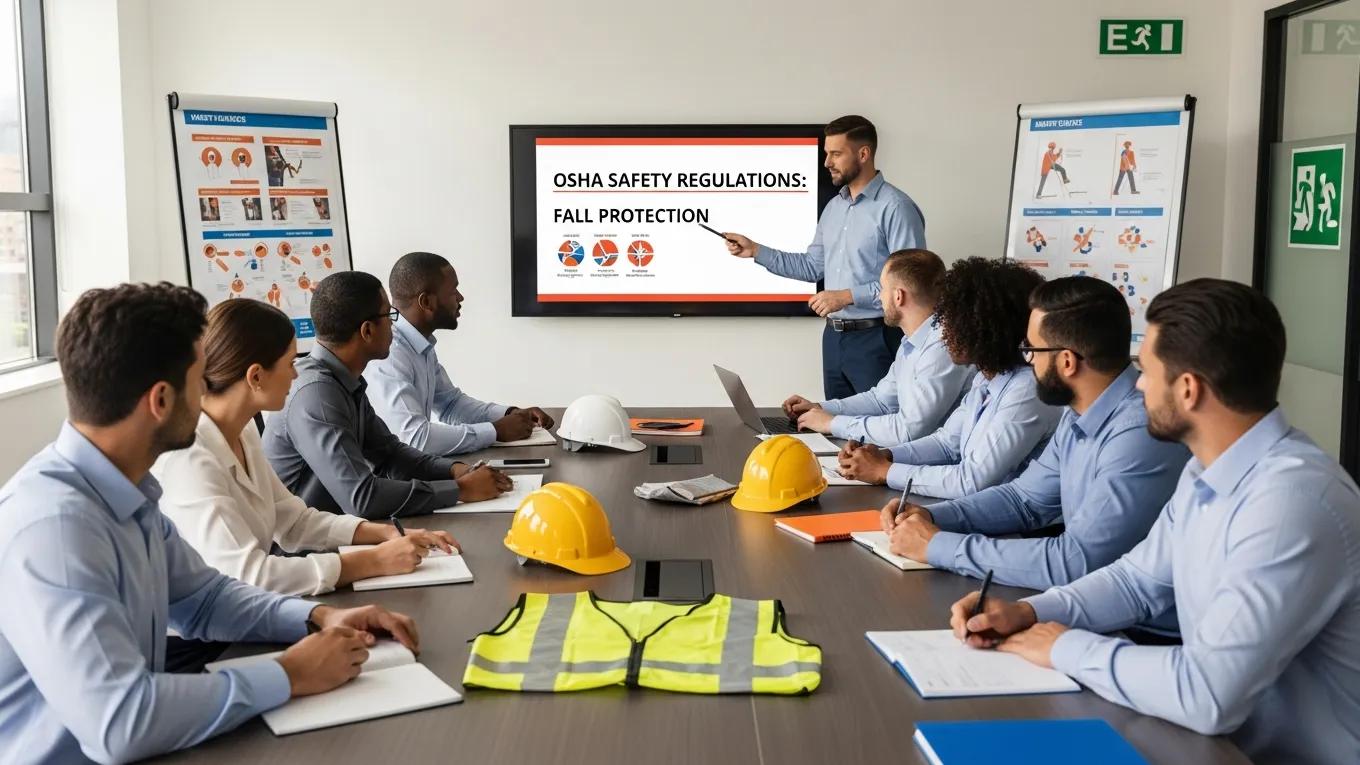
OSHA safety training session with instructor and engaged employees focusing on fall protection regulations.

Expert Workplace Safety and OSHA Compliance Programs

Workplace safety is essential for fostering a secure and productive environment. Employees deserve to work in safe conditions, and compliance with safety regulations can significantly mitigate risks. This article explores the critical components of workplace safety training, emphasizing the importance of OSHA compliance and effective training programs.

You will learn about various training methods, regulatory requirements, best practices, and the value of OSHA certification. Furthermore, we will address how workplace hazard identification and safety compliance programs can effectively reduce risks. By understanding the nuances of safety training, organizations can empower their teams and enhance their safety culture.

Training Methods

Training methods in workplace safety encompass a range of strategies designed to educate employees about hazards and compliance standards. Various OSHA training programs cater to different workplace needs, including both in-person sessions and online options, which allow flexibility for varying schedules. Interactive training sessions can enhance engagement and retention, ensuring employees remember critical information. Customized training options can further align with specific organizational safety goals, making them more effective.

Employers can also provide ongoing support and refresher courses to ensure knowledge remains current and applicable, creating a culture of safety that benefits everyone involved.

Regulatory Requirements

Compliance with OSHA regulations is non-negotiable for any organization striving for workplace safety. Understanding these regulatory requirements prepares teams for safety audits and inspections. Key elements include maintaining accurate safety documentation and ensuring adherence to safety standards.

Organizations must document safety training records meticulously, maintain personal protective equipment (PPE) in good condition, and regularly review safety procedures for compliance. Furthermore, preparing for optional inspections can show a commitment to safety that enhances company reputation and employee morale.

For companies like Rocky Zapata Safety Consulting, providing expert guidance on OSHA compliance and training programs makes a substantial difference in fostering a safe work environment.

Best Practices

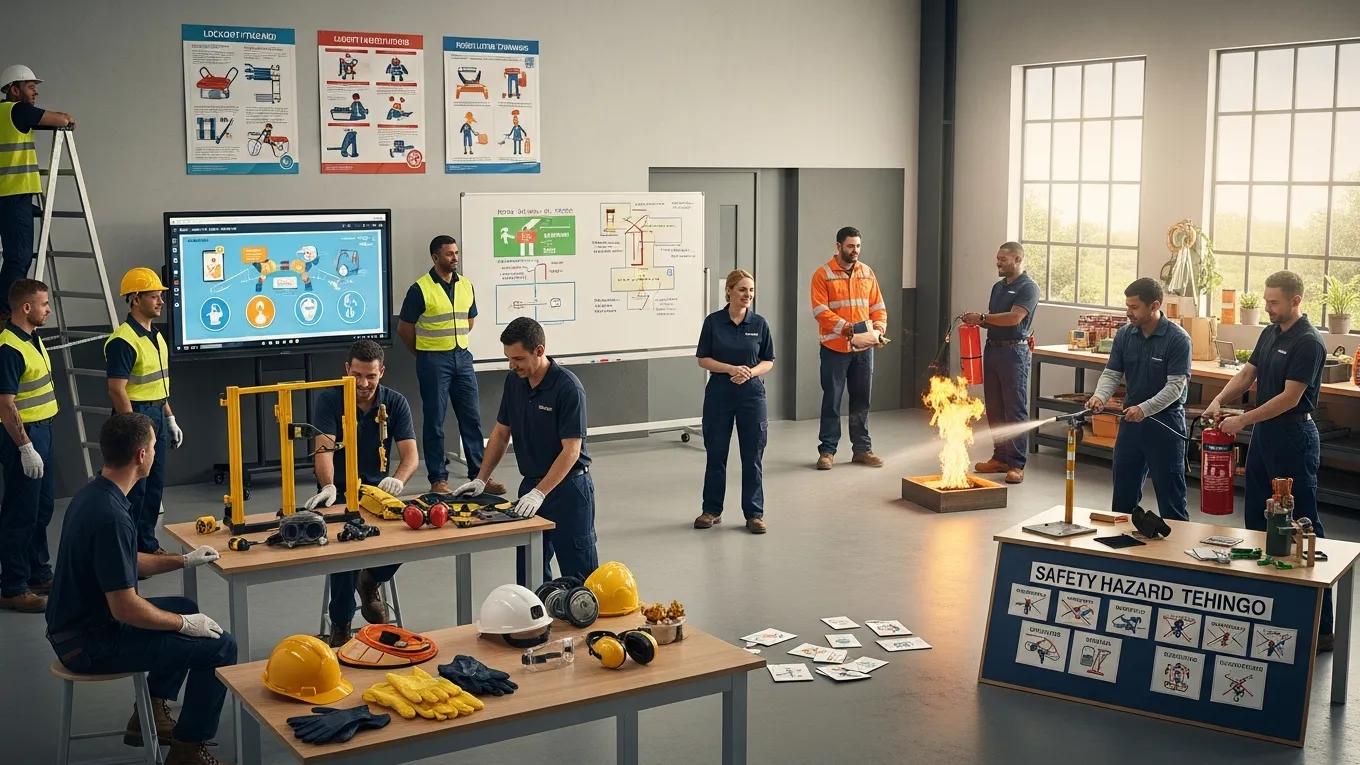
Rocky Zapata Safety Consulting workshop: employees participating in practical safety training and OSHA compliance methods.

Instituting best practices in workplace safety involves a strategic approach to create an environment that prioritizes employee well-being. Here are some key practices to implement:

  1. Tailored Safety Solutions: Customize safety protocols to fit the unique requirements of your workplace.
  2. Regular Training Refreshers: Conduct periodic training sessions to reinforce safety knowledge among employees.
  3. Expert Guidance and Support: Seek out consultation from experienced professionals to optimize safety programs.

These practices not only protect employees but also can lead to fewer accidents and lower insurance costs, benefiting the organization at large.

What Are OSHA Training Courses and Why Are They Essential for Workplace Safety?

OSHA training courses equip employees with the knowledge necessary to understand workplace hazards and comply with safety regulations. Essential for maintaining a safe work environment, these courses cover topics such as hazard recognition, prevention strategies, and emergency response plans.

The training provides valuable insights into legal responsibilities and the importance of comprehensive safety measures. Understanding these aspects helps to reduce incidents, ensuring a secure backdrop for all employees to thrive in their roles.

How Do Workplace Hazard Identification and Safety Compliance Programs Reduce Risks?

Effective hazard identification and safety compliance programs play a vital role in minimizing workplace risks. These programs typically involve:

  1. Hazard Identification: Regular evaluations of the workplace to pinpoint potential hazards.
  2. Compliance Checks: Conducting audits to ensure processes meet OSHA standards.
  3. Employee Involvement: Engaging employees in safety discussions and feedback mechanisms to identify overlooked hazards.

By implementing these strategies, companies can significantly improve their safety metrics and foster a proactive safety culture.

What Is the Cost and Value of OSHA Certification and Employee Safety Training Online?
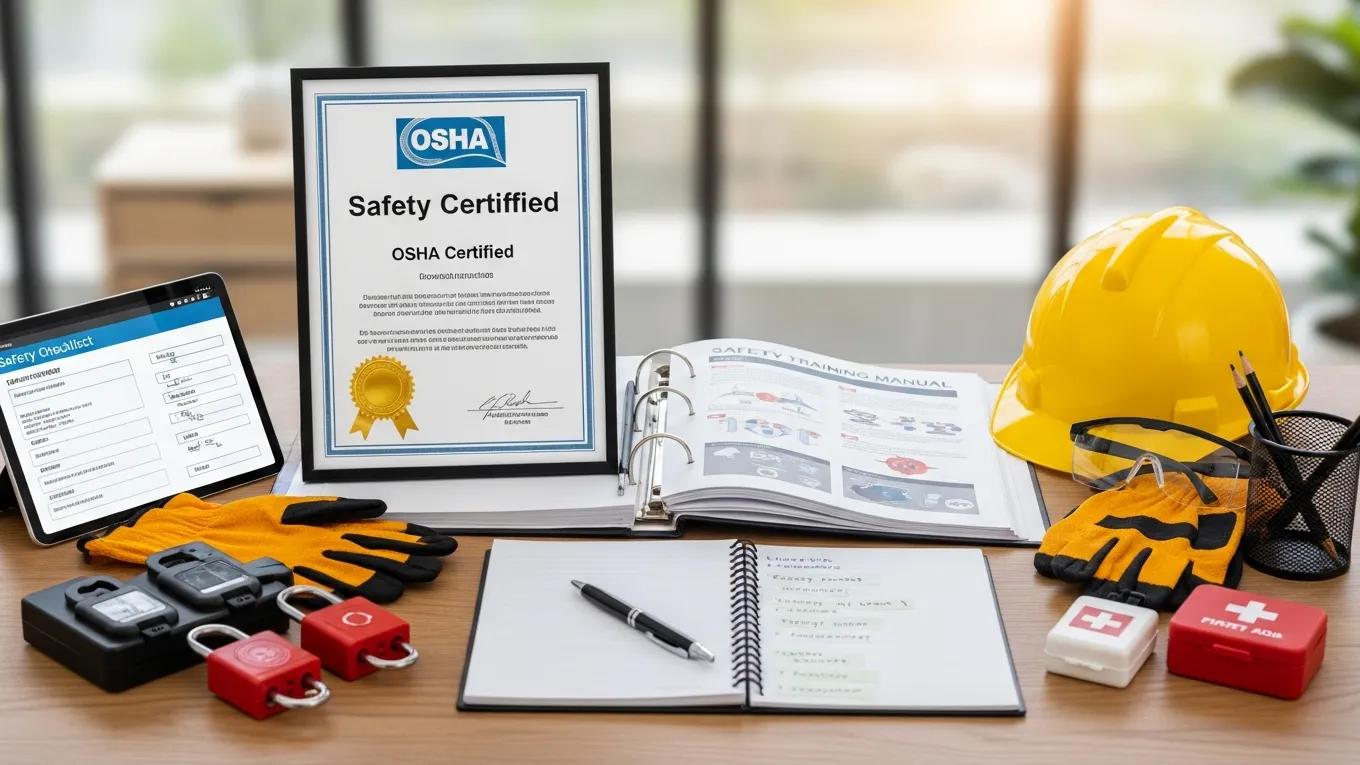
OSHA safety certification certificate and training materials in a professional workspace, including safety gear and compliance tools.

Investing in OSHA certification and employee safety training online presents a valuable opportunity for organizations. Factors influencing the costs include the type of training program selected, duration, and delivery method. However, the long-term benefits often outweigh the initial expenses.

Providing online training can make logistical sense by accommodating varying employee schedules while ensuring access to up-to-date information. Moreover, organizations can demonstrate their commitment to safety through certifications, which can enhance their credibility in the industry.

In summary, a strategic approach to workplace safety training, grounded in OSHA compliance and effective engagement techniques, is essential for protecting teams and empowering them to contribute to a culture of safety. Organizations like Rocky Zapata Safety Consulting provide expert guidance to help navigate these complex requirements and create effective safety training programs.