
Expert Safety Risk Mitigation and Hazard Control Services
Comprehensive Safety Risk Mitigation: Strategic Risk Assessment and Hazard Control Services for Maximum Workplace Protection
Strategic Risk Mitigation and Hazard Control Services
Incident Investigation and Prevention
Mock OSHA Inspections
Customized Safety Program Development
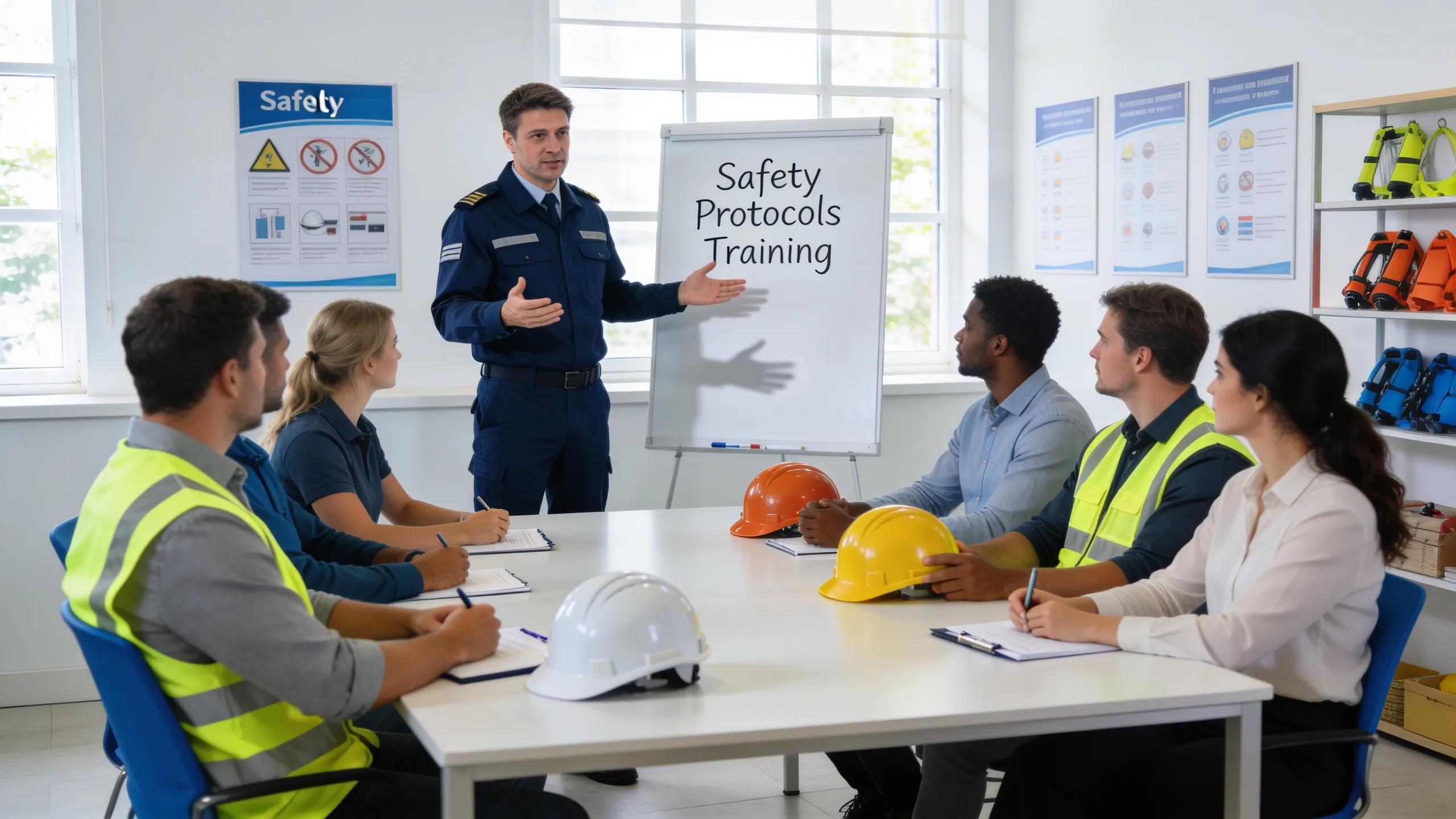
Ongoing Support and Training
Compliance Audits
What Are Strategic Risk Assessment Techniques for Effective Safety Management?
How Does Risk Identification Enhance Workplace Safety?
Which Frameworks Support Rigorous Risk Assessment Processes?
How Do Hazard Control Strategies Reduce Occupational Risks?
What Are the Hierarchical Levels of Hazard Control Methods?
- Elimination: Completely removing the hazard from the workplace.
- Substitution: Replacing the hazard with a safer alternative.
- Engineering Controls: Implementing physical controls to minimize exposure.
- Administrative Controls: Adjusting work practices to reduce risk.
- Personal Protective Equipment (PPE): Providing gear to protect employees.
How Are Hazard Control Measures Implemented for Sustainable Risk Reduction?
- Data Collection: Gathering information on hazard exposure and incident trends.
- Analysis and Reporting: Evaluating data to understand risks and developing actionable reports.
- Risk Assessment Processes: Continuously assessing risks to adapt control measures effectively.
Why Is Leadership Critical in Safety Risk Mitigation and Hazard Control?
How Does Leadership Influence Safety Culture and Compliance?
What Personal Development Practices Strengthen Safety Leadership?
What Are Proven Risk Reduction Methods to Prevent Workplace Accidents?
How Do Incident Prevention Techniques Align with Compliance Standards?
How Do Safety Risk Mitigation Consulting Services Enhance Organizational Outcomes?
What Are the Benefits of Expert-Led Strategic Risk Assessments?
- Proactive Hazard Identification: Experts can identify risks that may not be evident to internal teams.
- Compliance Assurance: Consultations ensure that organizations meet all necessary regulations.
- Customized Safety Programs: Tailored recommendations improve effectiveness relative to specific workplace challenges.
How Are Customized Hazard Control Solutions Developed and Implemented?
- Data Collection Strategies: Understanding the unique risks in the organization.
- Implementation Steps for Solutions: Outlining clear actions for deploying hazard control measures.
- Ongoing Support and Training Needs: Ensuring that employees are equipped to understand and utilize these solutions effectively.
What Recent Industry Trends and Data Shape 2026 Safety Risk Mitigation Practices?
How Do Digital Tools Integrate with Traditional Hazard Control Methods?
- Real-time Data Monitoring: Leveraging technology to track safety metrics continuously.
- Automated Reporting: Streamlining compliance documentation and safety audits.
- Enhanced Training: Utilizing online platforms to deliver safety education efficiently.