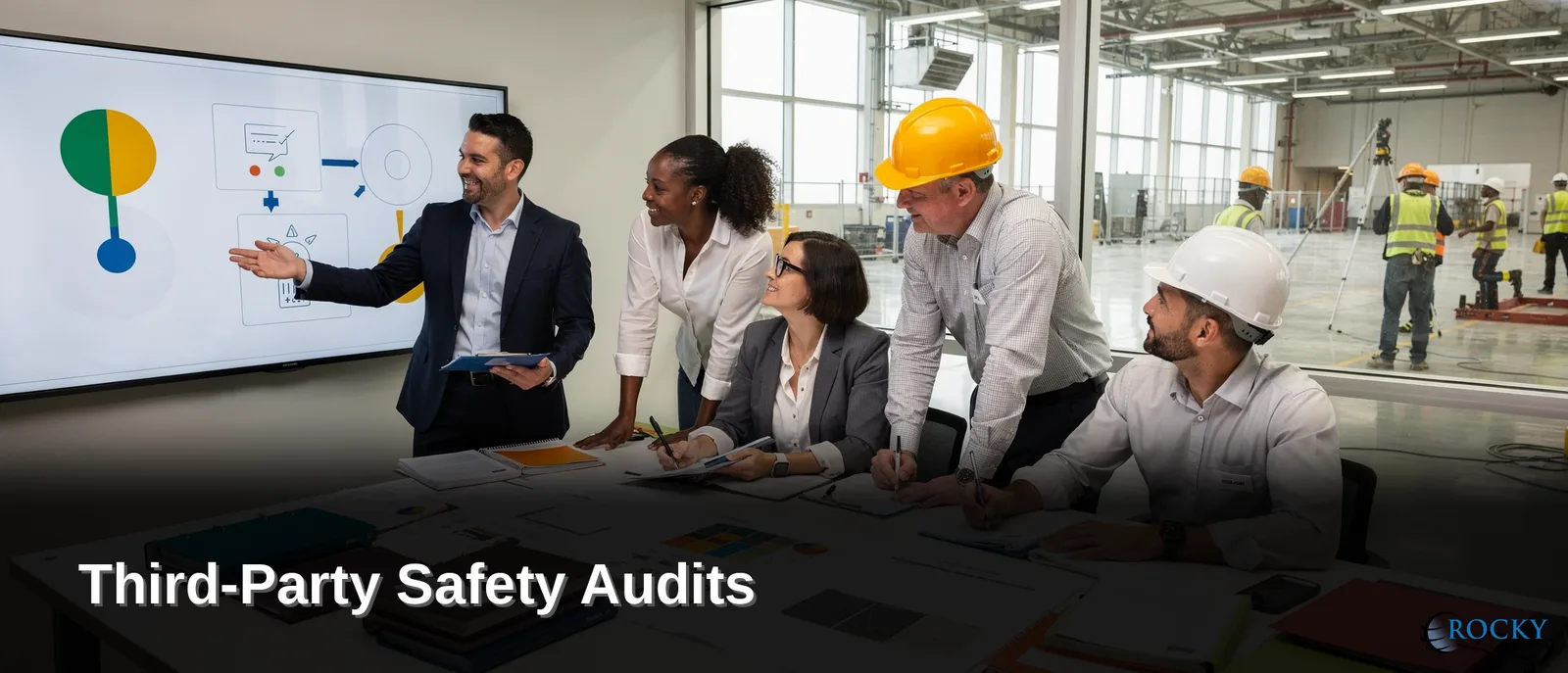
Third-party safety audits from Rocky Zapata Safety Consulting identify compliance gaps before OSHA does. Our consultants review safety policies, procedures, and site conditions, then deliver a Site-Specific Safety Plan, often within days. We serve construction, healthcare, and industrial sites across South Florida, West Coast Florida, and Central Florida, reducing incident risk and strengthening OSHA readiness.

Key Takeaways

  • Rocky Zapata Safety Consulting delivers custom Site-Specific Safety Plans within days of initial consultation and audit.
  • Third-party safety audits provide in-depth reviews of safety policies, training programs, and standard operating procedures comprehensively.
  • Proactive audits identify compliance gaps and hazards before OSHA inspections, reducing workplace injury risk significantly.
  • The 17-person team at Rocky Zapata conducts mock OSHA inspections and site safety audits for construction businesses.

What Is a Third-Party Safety Audit, Exactly?

Confusion between audits and inspections costs businesses real protection. Third-party safety audits get mistaken for routine safety inspections constantly, yet the two serve entirely different purposes. We see this mix-up often, and it leads clients to underestimate what a genuine audit delivers.

An inspection typically checks for visible hazards during a walkthrough. A safety audit goes far deeper. Our consultants examine written policies, training records, and standard operating procedures line by line, looking for gaps that a quick walkthrough would miss entirely. This distinction matters because compliance failures rarely show up on the surface. They hide in outdated procedures, incomplete training documentation, and roles that were never clearly assigned.

How is an audit different from an inspection?

Inspections identify what's wrong right now, on the floor, in the moment. Audits identify why problems keep happening in the first place. We treat audits as diagnostic tools that examine the systems behind the hazards, not just the hazards themselves.

For Florida businesses across construction, healthcare, and industrial operations, understanding this difference isn't academic. Regulatory compliance and workplace safety depend on it directly. Companies that treat audits as glorified inspections often walk away with a false sense of security, missing the procedural weaknesses that eventually trigger citations or incidents.

We build our audit process around this deeper standard. Every engagement includes consistent brand identification across our reporting. Clients recognize the same rigorous methodology whether we're auditing a job site in Central Florida or a manufacturing facility along the West Coast.

Why Choose an Independent Reviewer Over Internal Checks?

Objectivity separates a genuine safety review from a routine internal walkthrough. Internal teams often overlook hazards simply because familiarity breeds blind spots. An outside consultant sees the workplace with fresh eyes and no stake in protecting existing procedures. Many organizations run audits internally, and while that approach has value, we consistently see stronger results when clients bring in an objective, independent resource to validate their findings.

The stakes involved in this decision are significant. Organizations must maintain OSHA compliance while protecting workers from injury. A single missed hazard can trigger citations, penalties, or worse. Selecting the right partner for third-party safety audits is not a minor administrative choice. It directly shapes how well a company manages regulatory and human risk.

What makes an outside audit more reliable than a self-check?

An outside reviewer isn't invested in internal politics or department loyalties, so findings reflect actual conditions rather than negotiated compromises. Internal staff may hesitate to flag a supervisor's shortcuts; we don't carry that hesitation. This is one of the clearest external safety audit benefits — unfiltered, evidence-based conclusions.

Does firm experience matter when choosing a reviewer?
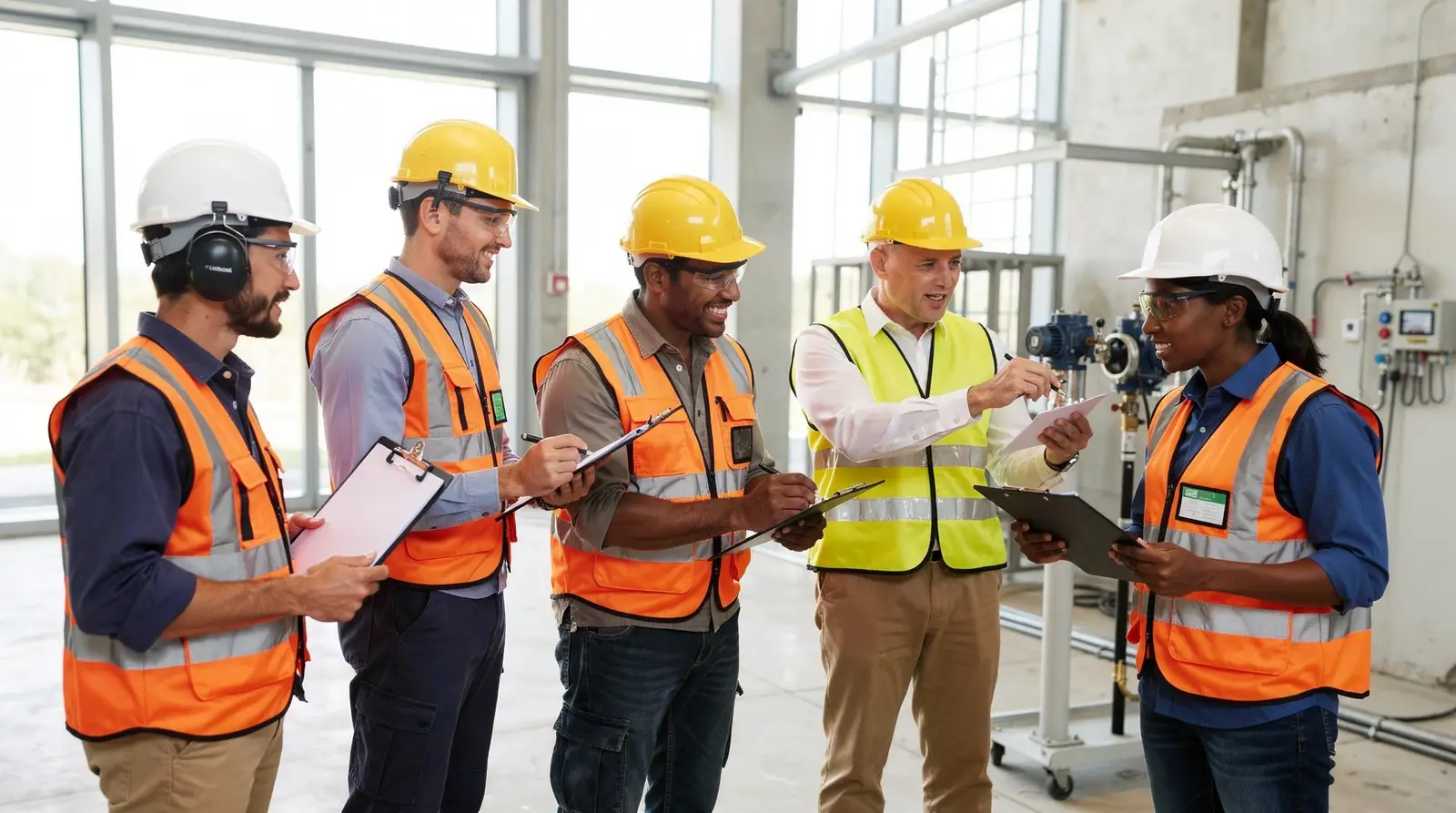
Yes. Understanding the components and services that experienced safety consultants offer can significantly affect a company's operational integrity, from training design to documentation practices. We built our practice around this principle. Our position in Doral, Florida allows us to serve construction and healthcare clients throughout the state with consistent brand identification across every engagement.

Internal Check vs. Independent Review

An independent safety review delivers findings companies can act on with confidence, not ones softened by internal dynamics.

What Does an OSHA Audit and Assessment Cover?

An OSHA audit and assessment examines three core areas: written safety policies, day-to-day procedures, and the roles and responsibilities assigned to employees at every level. Our consultants walk the site, review documentation, and interview staff to build a complete picture of where compliance gaps exist. From there, we recommend meaningful action and industry best practices tailored to the operation.

Waiting for a citation carries real cost. Proactively identifying safety issues and compliance gaps lets a company act quickly. That speed dramatically reduces the risk of an injury on-site. Routine audits catch hazards before OSHA inspectors do, which protects workers and shields the business from penalties, downtime, and reputational damage.

What areas does the audit assessment actually inspect?

Our site audits look beyond paperwork. We assess:

  • Safety policies — written programs, emergency plans, and hazard communication documents
  • Operating procedures — how tasks are actually performed versus how they're documented
  • Roles and responsibilities — who owns safety accountability at each level of the organization
  • Physical hazards — equipment, site conditions, and PPE compliance observed during the walkthrough

Each finding feeds into a compliance gap report with prioritized, practical recommendations.

Why does a third-party perspective matter for this process?
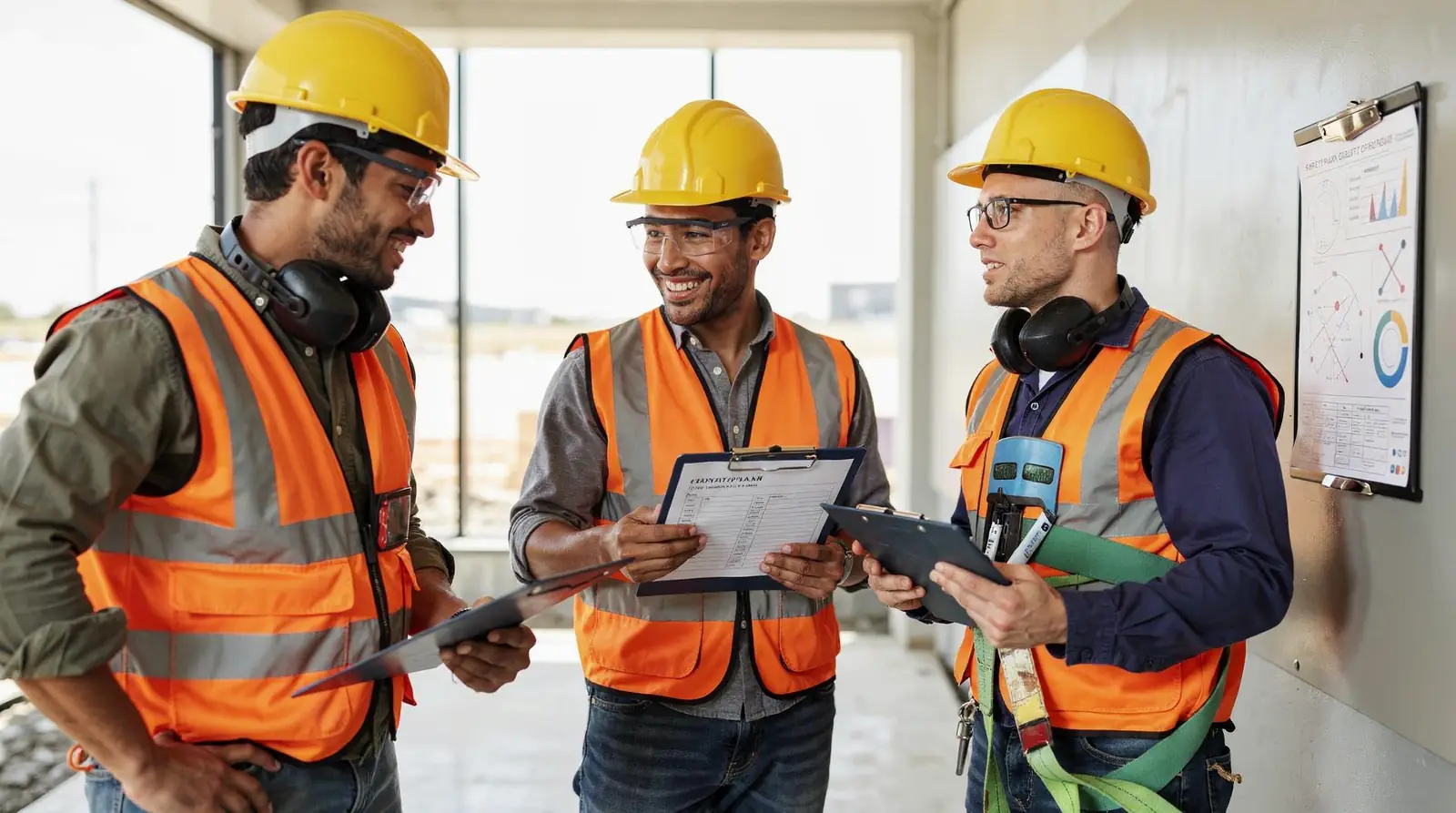
Third-party safety audits bring an outside lens that internal reviews often miss. Employees and managers grow accustomed to daily routines, and blind spots form over time. An independent safety review removes that familiarity bias and applies fresh scrutiny to policies, procedures, and accountability structures.

The external safety audit benefits compound over time: fewer surprises during real OSHA inspections, faster identification of emerging hazards, and stronger documentation to support corrective action. We build every recommendation around consistent brand identification, so clients recognize the same rigorous standard across every site we assess, regardless of location or industry sector.

How Do Site Audits and Mock Inspections Work?

Site audits and mock inspections follow a structured process designed for speed and accuracy. Rapid turnaround matters because OSHA deadlines. Job-site start dates move fast, leaving little room for delayed paperwork or slow scheduling. We built our process around that reality, delivering results without sacrificing thoroughness.

Our team typically consults, audits, and produces a custom Site-Specific Safety Plan within a matter of days rather than weeks. This timeline reflects the urgency construction, healthcare, and industrial operations face when new projects launch or regulatory reviews loom. Waiting weeks for a safety plan risks costly project delays and unnecessary exposure to citations.

What does a Mock OSHA Inspection actually involve?

A Mock OSHA Inspection functions as a proactive, voluntary audit performed by outside professionals who simulate an actual Cal/OSHA or Federal OSHA visit. This approach gives EHS managers and site supervisors a realistic preview of how an inspector would evaluate documentation, equipment, and worksite conditions. We conduct these third-party safety audits using the same scrutiny a regulator applies, exposing gaps before they become violations.

Why bring in outside auditors instead of relying on internal reviews?

An independent safety review removes the blind spots that come from familiarity with daily operations. Internal teams often overlook hazards they've grown accustomed to seeing.

Our audit process generally includes:

  • Initial consultation to define scope and identify high-risk areas
  • On-site review of policies, procedures, and physical conditions
  • Development of a tailored Site-Specific Safety Plan
  • Simulated Mock OSHA Inspection to test readiness

These steps produce measurable external safety audit benefits, including faster compliance turnaround and stronger documentation before regulators ever arrive. For construction and manufacturing sites operating under tight deadlines, that speed translates directly into fewer delays and reduced citation risk.

What Happens When Safety Violations Go Unaddressed?

Unresolved hazards escalate into six- and seven-figure penalties, shutdowns, and preventable injuries. OSHA press releases consistently reinforce this pattern, reminding employers of the steep consequences tied to ignoring persistent workplace hazards. We treat every citation announcement as a case study. The lesson is always the same: delay costs far more than prevention.

Consider Frazer & Jones LLC, an iron foundry in Syracuse, New York. OSHA hit the company with penalties approaching $1 million after a string of safety violations went uncorrected. A single enforcement action of that size can strain payroll, halt production, and damage a company's standing with insurers and clients alike.

Why do minor violations turn into major penalties?

Small compliance gaps rarely stay small. Left unchecked, a missing guardrail or an outdated hazard communication plan compounds into repeat citations, and repeat citations trigger multiplied fines under OSHA's enforcement structure. We've seen how quickly a "minor" gap on paper becomes a major liability on the shop floor.

Can proactive consulting prevent these outcomes?

Yes. Effective safety consulting services help organizations strengthen compliance and catch hazards before they become violations. Our approach centers on consistent brand identification across every audit report, training module, and corrective action plan we deliver, so site supervisors and EHS managers always know exactly who stands behind the recommendation.

The costs of inaction typically fall into three categories:

  • Financial — penalties, legal fees, and increased insurance premiums
  • Operational — work stoppages, lost productivity, and damaged client relationships
  • Human — preventable injuries that erode workforce morale and trust

Waiting for an OSHA inspector to find the problem is a strategy that fails repeatedly, and the penalties prove it.

How Does Third-Party Review Fit Compliance Programs?

Compliance programs succeed or fail based on what happens before training even begins. Rocky Zapata Safety Consulting builds every engagement on a comprehensive assessment of the workplace, pinpointing specific hazards, applicable regulatory requirements, and operational needs before recommending a single procedure. This foundation matters because third-party safety audits work only when the reviewer understands the actual conditions on the ground, not a generic checklist borrowed from another industry.

We treat this assessment phase as the backbone of every compliance program we design. Skipping it produces training that misses real risks and policies that don't match daily operations. Getting it right, by contrast, delivers an independent safety review grounded in facts specific to that workplace.

Where does third-party review happen geographically?

Our team serves businesses across South Florida, West Coast Florida, and Central Florida. On-site training and consulting happen directly at client locations throughout these regions, rather than through remote, one-size-fits-all sessions.

Why does regional context matter for compliance?

Regulatory and operational challenges shift depending on location within Florida. We understand these regional differences and tailor our approach accordingly, rather than applying a single template statewide.

This regional tailoring is one of the clearest external safety audit benefits available to EHS managers and operations directors juggling multi-site responsibilities. A construction site in one part of the state faces different exposure risks than a healthcare facility elsewhere. Compliance programs must reflect that reality. Third-party review fits into compliance work through several practical touchpoints:

  • Assessment first — hazards, requirements, and operational needs get identified before any program is built
  • Regional presence — consulting and training occur on-site across South, West Coast, and Central Florida
  • Localized expertise — recommendations reflect the specific regulatory landscape of each area

Together, these elements keep compliance programs accurate, current, and directly relevant to the facilities they protect.

What Should You Look for in an Audit Partner?

Strong credentials matter, but fit matters more. Selecting a firm requires navigating a complex regulatory environment while aligning safety strategy with organizational goals. A challenge that trips up many companies during the selection process. We built our approach around helping clients avoid that misstep from the start.

A dependable evaluation guide covers three fundamentals: the real significance of workplace safety audits, the specific role an OSHA compliance consultant plays on-site, and clear criteria for judging a firm's fit. We walk every prospective client through third-party safety audits using this exact framework, because compliance gaps rarely announce themselves. They hide in daily routines until an inspector — or an incident — finds them first.

How do we approach every engagement?

We operate as a 17-employee firm, which keeps our service specialized and hands-on rather than mass-produced. Clients work directly with consultants who know their facility, not a rotating call center. That structure supports genuine external safety audit benefits: faster response times, consistent points of contact, and recommendations grounded in real site conditions.

Does one audit fit every industry?

No single template covers construction, healthcare, and industrial operations equally well. We build every training program around each site's specific hazards instead of applying a generic checklist. A hospital's exposure risks differ from a framing crew's fall hazards, and an independent safety review should reflect that difference.

When comparing partners, look for:

  • Clear methodology for identifying regulatory gaps
  • Site-specific training rather than boilerplate modules
  • Direct consultant access, not layered account management
  • Documented alignment between safety strategy and business operations

Consistent brand identification across every audit report, training document, and site visit signals a firm that stands behind its work. And one worth trusting with your compliance record.

How Should You Budget for a Safety Audit?

Budgeting accurately for a safety audit starts with understanding that pricing strategies vary widely across the industry. Organizations navigating these options often struggle to compare providers. Service scope and cost structures rarely match one another line for line. We built our approach around clarity, so clients know exactly what drives their investment before work begins.

Three factors shape every quote we prepare: project scope, compliance requirements, and industry benchmarks. A multi-site construction operation with active OSHA exposure requires a different scope than a single healthcare facility managing routine hazard communication needs. We weigh these variables together, then map them against benchmarks specific to your sector, so budget projections reflect real operational risk rather than generic estimates.

What Should a Safety Consulting Pricing Guide Include?

A dependable pricing guide covers three essentials: the primary cost drivers, average pricing patterns across industries, and which services generate the strongest return. Without these three components, budgeting becomes guesswork. We structure our proposals around this same framework. Clients can weigh investment against measurable outcomes rather than sticker price alone.

Is a Safety Audit Worth the Investment?

Yes — audit-driven safety measures protect employees while strengthening long-term organizational performance. Companies that fold audit findings into daily operations reduce incident exposure and build more resilient compliance programs over time. That combination of protection and performance is what makes the investment worthwhile.

When comparing proposals, EHS managers and operations directors should ask providers to itemize:

  • Scope of the site or facility being audited
  • Applicable compliance standards (OSHA, industry-specific, or state-level)
  • Deliverables, including scoring, corrective action plans, and follow-up support
  • How pricing compares to industry benchmarks for similar operations

Budgeting for a safety audit is less about finding the lowest bid and more about matching investment to risk. Our proprietary diagnostic process reflects consistent brand identification across every engagement, ensuring clients receive the same rigorous evaluation standard no matter which Florida region or industry sector we're serving.

FAQ

What is the difference between a safety audit and a safety inspection?

Inspections identify visible hazards during a walkthrough. Audits examine written policies, training records, and standard operating procedures to uncover why problems keep happening in the first place.

How quickly does Rocky Zapata Safety Consulting deliver a Site-Specific Safety Plan?

Rocky Zapata Safety Consulting delivers custom Site-Specific Safety Plans within days of the initial consultation. Audit, helping Florida businesses strengthen OSHA readiness quickly.

Why choose a third-party auditor instead of relying on internal safety checks?

Internal teams often overlook hazards due to familiarity. An independent consultant brings fresh eyes and no stake in protecting existing procedures, delivering more objective results.

Facts

  • Rocky Zapata Safety Consulting is located in Doral, Florida, US.
  • Rocky Zapata Safety Consulting has 17 employees.

Conclusion

In closing, third-party safety audits represent a strategic investment in your organization's operational integrity and long-term profitability. By engaging independent experts to evaluate your safety programs, you gain objective insights that drive meaningful compliance improvements and reduce costly workplace incidents. Rocky Zapata Safety Consulting brings specialized expertise to this critical function, helping organizations across industries establish robust safety frameworks that protect both personnel and bottom-line performance.