Expert Safety Risk Mitigation and Hazard Control Services
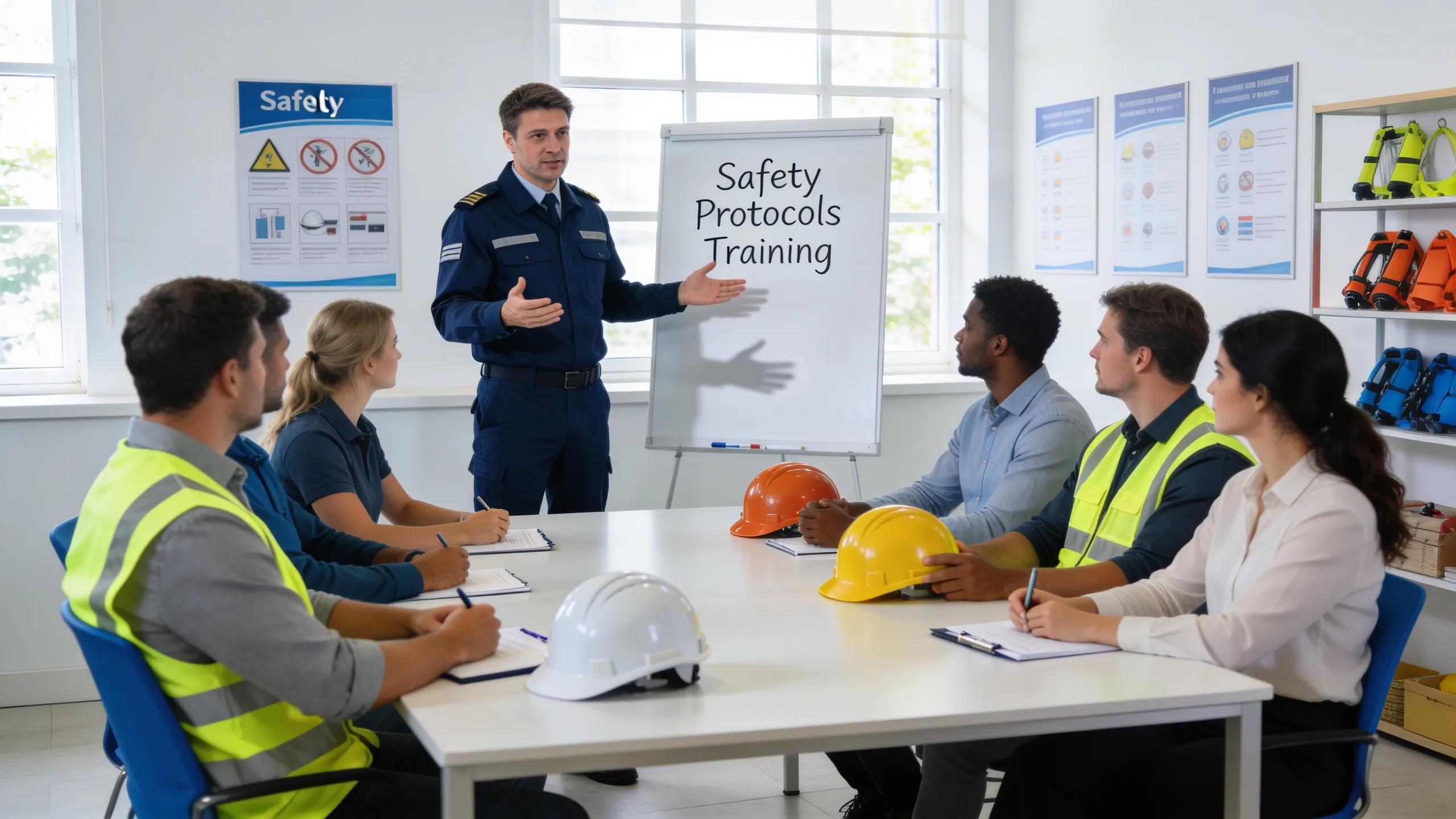
Safety training session with consultant and employees discussing safety protocols and hazard control.

Comprehensive Safety Risk Mitigation: Strategic Risk Assessment and Hazard Control Services for Maximum Workplace Protection

Safety risk mitigation is an essential aspect of maintaining a secure workplace environment. It involves methodical assessments to identify, analyze, and control hazards that could potentially cause harm to employees and assets. This comprehensive guide will outline various strategies for risk assessment and hazard control, crucial for any organization aiming for maximum protection. By understanding the practical application of safety protocols, businesses can proactively address safety issues, ensuring employee well-being and regulatory compliance. In this article, we'll explore the significance of risk assessments, incident investigations, mock inspections, customized safety programs, ongoing support, compliance audits, and the leadership imperative in fostering a safe workplace. Additionally, we'll delve into strategic risk assessment techniques that can bolster safety management practices.

Strategic Risk Mitigation and Hazard Control Services

Risk assessments are integral to identifying potential hazards within a workplace setting. These assessments involve systematic evaluations that gauge various risk factors to prioritize necessary safety improvements. Regular evaluations are essential in promoting a safe environment, allowing organizations to adapt to new challenges and regulations. Techniques for identifying risks may incorporate employee feedback, workplace inspections, and historical data analysis, resulting in tailored strategies for mitigating identified threats.

Incident Investigation and Prevention

Effective incident investigation and prevention protocols are crucial for understanding workplace accidents. Investigating incidents involves a detailed process that includes gathering evidence, interviewing witnesses, and analyzing root causes. By implementing a structured approach to investigations, organizations can design effective prevention strategies that mitigate similar incidents in the future. Addressing root causes helps in crafting robust safety measures that enhance the overall safety culture within an organization.

Mock OSHA Inspections

Mock OSHA inspections serve as a proactive measure to prepare organizations for actual safety audits. By simulating an inspection, companies can identify compliance gaps and potential issues that could hinder workplace safety. Preparing staff for audits ensures that employees are aware of proper safety protocols and understand their roles in maintaining compliance. This proactive strategy significantly reduces the risk of citations during official inspections, fostering a culture of safety and accountability.

Customized Safety Program Development

Developing customized safety programs is essential for addressing the unique risks faced by different industries. Tailoring programs to specific risks facilitates employee engagement, as workers feel their specific concerns are being acknowledged. Incorporating emergency response plans and regular training in these programs strengthens the overall safety framework. Customizing safety initiatives enables organizations to not only comply with regulations but also instill a proactive culture of safety.

Ongoing Support and Training

Ongoing support and training are critical components of effective safety management. Regular refresher training helps employees stay updated on new regulations and safety practices, bolstering safety awareness across the organization. Ensuring training programs are inclusive and accessible promotes enhanced participation and effectiveness. Continuous education on safety trends equips employees with the knowledge they need to maintain a safe working environment, reinforcing their commitment to safety principles.

Compliance Audits

Conducting compliance audits against OSHA standards is a necessary measure for ensuring workplace safety. Systematic evaluations identify compliance gaps, allowing organizations to address weaknesses and enhance their safety management systems. Regular audits keep safety protocols current, ensuring alignment with legislative changes and industry standards. These audits play a pivotal role in sustaining a culture of safety, confirming that practices are not only adopted but actively monitored.

What Are Strategic Risk Assessment Techniques for Effective Safety Management?

Strategic risk assessment techniques are essential for implementing effective safety management. These methodologies help organizations systematically evaluate hazards, assess risks, and prioritize actions to enhance workplace safety.

How Does Risk Identification Enhance Workplace Safety?

Risk identification is pivotal in enhancing workplace safety by enabling organizations to systematically evaluate all processes and environments. This proactive approach helps prioritize safety improvements that can significantly reduce incidents. Techniques such as employee surveys, safety audits, and incident analysis offer valuable insights into potential hazards, allowing for tailored risk management strategies.

Which Frameworks Support Rigorous Risk Assessment Processes?

Various frameworks support rigorous risk assessment processes, providing structured methodologies for effective evaluations. These frameworks often include planning audit steps, conducting thorough site inspections, and utilizing data collection methodologies. By employing these systematic methods, organizations can ensure their risk assessments are comprehensive and effective, thereby improving overall safety management.

How Do Hazard Control Strategies Reduce Occupational Risks?

Hazard control strategies effectively reduce occupational risks through various means. These strategies focus on risk minimization by implementing well-defined measures tailored to identified hazards.

What Are the Hierarchical Levels of Hazard Control Methods?

Understanding the hierarchical levels of hazard control methods is crucial for effective risk management. These levels include:

  1. Elimination: Completely removing the hazard from the workplace.
  2. Substitution: Replacing the hazard with a safer alternative.
  3. Engineering Controls: Implementing physical controls to minimize exposure.
  4. Administrative Controls: Adjusting work practices to reduce risk.
  5. Personal Protective Equipment (PPE): Providing gear to protect employees.

While all levels play a critical role, elimination and substitution are the most effective in risk management, drastically reducing risk exposure.

How Are Hazard Control Measures Implemented for Sustainable Risk Reduction?

Implementing hazard control measures for sustainable risk reduction requires a detailed approach. Key steps include:

  1. Data Collection: Gathering information on hazard exposure and incident trends.
  2. Analysis and Reporting: Evaluating data to understand risks and developing actionable reports.
  3. Risk Assessment Processes: Continuously assessing risks to adapt control measures effectively.

This comprehensive implementation strategy ensures that measures are not only effective but also sustainable over time.

Why Is Leadership Critical in Safety Risk Mitigation and Hazard Control?

Leadership plays a crucial role in maintaining high safety standards within organizations. Leaders set the tone for a safety culture by prioritizing training and development for employees. Embracing a commitment to ongoing personal development practices strengthens safety leadership effectiveness.

How Does Leadership Influence Safety Culture and Compliance?

Strong leadership influences safety culture and compliance by inspiring commitment to safety practices among employees. Leaders who actively promote safety policies and engage in feedback mechanisms create an environment of trust and accountability. This commitment to safety fosters adherence to compliance requirements, helping organizations minimize risks and enhance workplace safety.

What Personal Development Practices Strengthen Safety Leadership?

Personal development practices are essential in strengthening safety leadership effectiveness. Programs focusing on continuous education empower leaders to stay informed about safety trends and regulations, which is crucial for developing robust safety policies. Additionally, mentorship programs cultivate emerging leaders while promoting a safety-first mindset across the organizational hierarchy.

What Are Proven Risk Reduction Methods to Prevent Workplace Accidents?

Proven risk reduction methods are pivotal for preventing workplace accidents. These methods emphasize proactive approaches to maintain safety.

How Do Incident Prevention Techniques Align with Compliance Standards?

Incident prevention techniques align closely with compliance standards by ensuring that organizations meet or exceed legal safety requirements. Techniques such as regular risk assessments help identify potential hazards, while mock OSHA inspections prepare organizations for actual audits. These strategies reinforce compliance, enhancing overall safety management.

How Do Safety Risk Mitigation Consulting Services Enhance Organizational Outcomes?

Safety risk mitigation consulting services can significantly enhance organizational outcomes by implementing structured safety practices.

What Are the Benefits of Expert-Led Strategic Risk Assessments?

Expert-led strategic risk assessments offer numerous benefits, including:

  1. Proactive Hazard Identification: Experts can identify risks that may not be evident to internal teams.
  2. Compliance Assurance: Consultations ensure that organizations meet all necessary regulations.
  3. Customized Safety Programs: Tailored recommendations improve effectiveness relative to specific workplace challenges.

These expert insights allow organizations to strengthen their safety protocols and foster a culture of compliance.

How Are Customized Hazard Control Solutions Developed and Implemented?

Customized hazard control solutions are developed through a collaborative approach that involves identifying specific risks and tailoring interventions accordingly. Key steps in this process include:

  1. Data Collection Strategies: Understanding the unique risks in the organization.
  2. Implementation Steps for Solutions: Outlining clear actions for deploying hazard control measures.
  3. Ongoing Support and Training Needs: Ensuring that employees are equipped to understand and utilize these solutions effectively.

Through careful planning and execution, organizations can significantly enhance their safety practices.

What Recent Industry Trends and Data Shape 2026 Safety Risk Mitigation Practices?

Recent industry trends inform the evolving landscape of safety risk mitigation practices. Key trends include increased reliance on technology and data analytics to enhance safety measures.

How Do Digital Tools Integrate with Traditional Hazard Control Methods?

Digital tools integrate seamlessly with traditional hazard control methods to provide a comprehensive approach to safety management. These tools often facilitate:

  1. Real-time Data Monitoring: Leveraging technology to track safety metrics continuously.
  2. Automated Reporting: Streamlining compliance documentation and safety audits.
  3. Enhanced Training: Utilizing online platforms to deliver safety education efficiently.

This integration maximizes the effectiveness of hazard control measures by providing instant access to critical safety information.

What Impact Do Leadership Behavior Analytics Have on Risk Management?

Leadership behavior analytics can significantly impact risk management by providing insights into team dynamics and safety culture. Tracking leadership behaviors that positively correlate with safety compliance fosters accountability and encourages a proactive safety mindset. This data-driven approach enhances the overall commitment to safety throughout the organization.