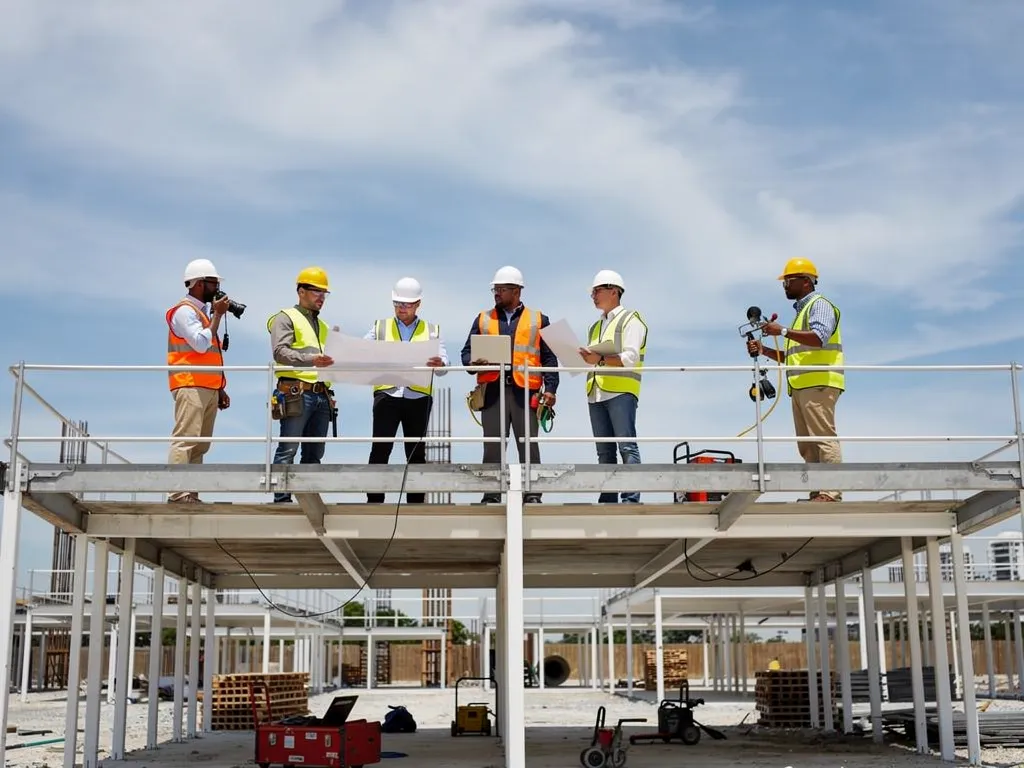


Pre-startup safety review services for Projects verify equipment, procedures, and hazard controls before hazardous chemicals enter a system, satisfying 29 CFR 1910.119(i) requirements. We conduct formal PSSR verification tied to management-of-change documentation, closing gaps that cause startup delays or process safety incidents. Our team, serving Projects from our Doral, Florida base, delivers thorough operational readiness reviews for construction, manufacturing, and energy facilities nationwide.

Key Takeaways

  • OSHA requires Pre-Startup Safety Reviews under 29 CFR 1910.119(i) for all new facilities and significant modifications.
  • PSSRs verify construction meets design specs, safety systems function properly, and procedures are complete before operations.
  • Small gaps in startup preparation escalate into delays, loss events, or serious process safety incidents rapidly.
  • Rocky Zapata Safety Consulting's 17-person team conducts formal inspections confirming personnel training and operational readiness comprehensively.

Why Do Projects Stall Right Before Startup?
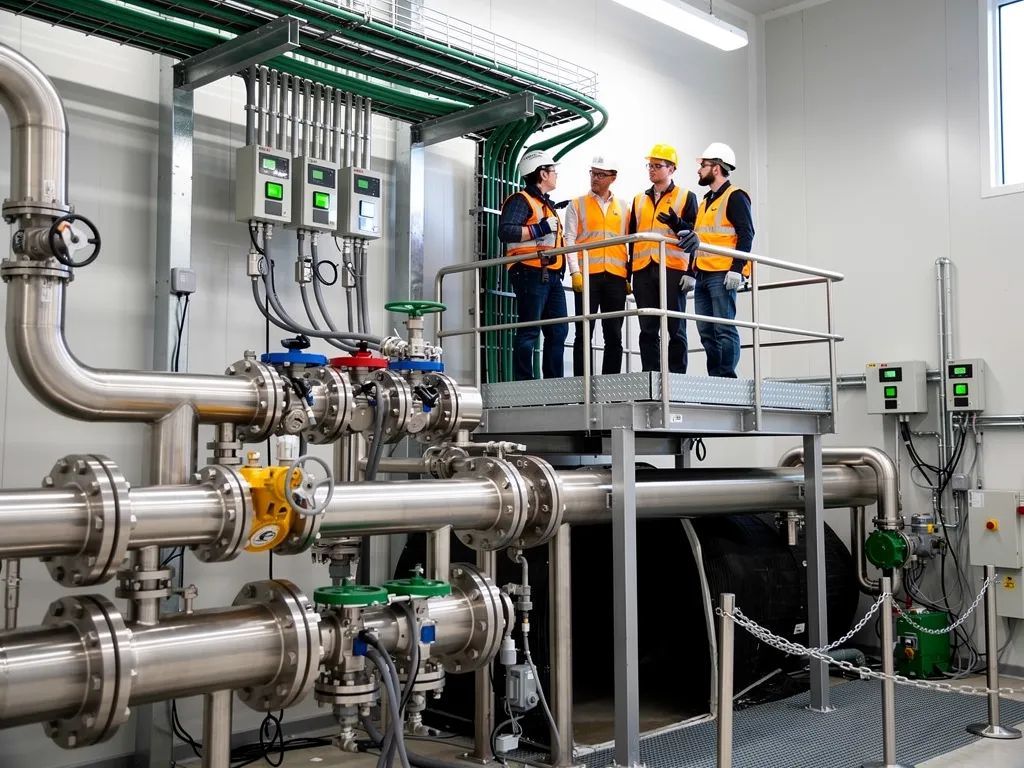
Projects stall before startup because visible progress hides invisible risk. A facility can look complete weeks before it operates safely, with equipment fully installed and procedures already circulating through the plant. Neither condition confirms readiness once hazardous materials enter the picture.

We see this pattern across the industrial, construction, and energy sites we support. Piping is welded. Instrumentation is calibrated. Training binders sit on supervisors' desks. Yet none of that guarantees the process is safe to bring online.

The real danger shows up the moment highly hazardous chemicals enter the system. Small gaps in verification, documentation, or training escalate fast at that point. What began as a minor oversight can trigger startup delays, loss events, or serious process safety incidents.

That escalation risk is precisely why we build our pre-startup safety review process around disciplined, on-site verification rather than paperwork alone. A thorough startup safety inspection confirms four things before we sign off on any project:

  • Construction matches the approved design and process safety information
  • Safety systems, alarms, and interlocks function as intended
  • Operating and emergency procedures are complete and accessible
  • Personnel have received and demonstrated required training

What Makes a Project Look Ready When It Isn't?

Appearances deceive because construction completion and operational safety are two different milestones. A project can pass every mechanical inspection and still lack validated procedures or trained operators. We treat this gap as the core justification for pssr services on every covered process we review.

When Should a Prestart Review Happen?

A project prestart safety review belongs at the final gate. Construction wraps but before hazardous chemicals ever enter the system. Running our commissioning safety review checklist at that exact window catches gaps while correction still costs far less than a delayed or interrupted startup.

What Exactly Is a Pre-Startup Safety Review?

A pre-startup safety review is a formal verification step completed before hazardous chemicals enter a new or significantly modified covered process. We treat this step as the final checkpoint on any Projects site preparing for commissioning, not a formality to rush through. Our pssr services exist to confirm that a facility is genuinely ready, not just scheduled to be ready.

The purpose runs deeper than a walkthrough. A properly conducted startup safety inspection confirms the process was built correctly, documented correctly, and safeguarded appropriately. It also confirms that personnel handed the keys are trained and prepared to operate safely. We bring this discipline to every Projects assignment, verifying each layer before a single valve opens.

A project prestart safety review typically confirms four things:

  • Construction matches the approved design specifications
  • Safety systems function as intended
  • Operating procedures are complete and accessible to crews
  • Personnel have received adequate training for the process they will run

Is a PSSR the Same as a Risk Analysis?

No. A pre-startup review is not a design review, and it is not a risk analysis. Those evaluations happen earlier, when engineers are still shaping the process and identifying hazards on paper.

When Does a PSSR Actually Happen?

It happens after construction and commissioning activities are underway but before hazardous materials are introduced. At that point, our commissioning safety review checklist shifts from paper review to physical verification. We confirm the built system matches what the documentation promises, giving Projects operators a clear, evidence-based green light before startup.

What Does OSHA Require Under 1910.119(i)?
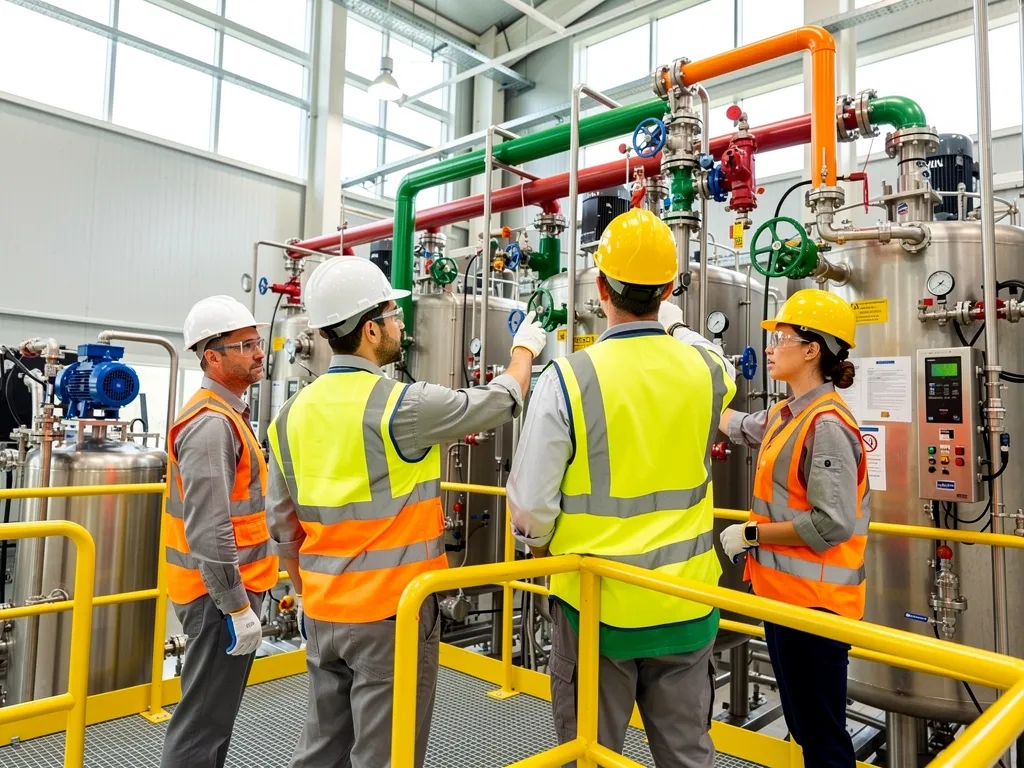
OSHA regulation 29 CFR 1910.119(i) requires employers to complete a pre-startup safety review before introducing highly hazardous chemicals into a new facility or a significantly modified process. We apply this standard on every industrial site we support, treating it as a legal floor rather than a paperwork formality. Modifications that change process safety information trigger the same requirement, not just brand-new construction.

At its core, the regulation defines a startup safety inspection as the final verification step before a process begins operating under new or altered conditions. Nothing moves forward until this review closes out. For plants running on tight production schedules, that discipline matters more than convenience.

What conditions must a PSSR verify before startup?

A compliant review confirms multiple independent conditions simultaneously, not sequentially. Construction and equipment must match design specifications, safety procedures must be in place, and training must be documented, all at once. Hazardous materials enter the system. We build our pssr services around this simultaneous-verification requirement so no single gap slips through during a busy commissioning window.

Why do teams skip PSSR steps before startup?

Production pressure is the most common reason startups proceed before the review finishes. Deadlines push operations teams to treat the PSSR as a formality rather than a gate. We've seen this pattern repeatedly across manufacturing and energy projects. It's exactly where our project prestart safety review work adds discipline.

For teams managing complex builds, a structured commissioning safety review checklist keeps verification consistent regardless of schedule pressure. Consistent brand identification across our documentation, site materials, and reporting gives project teams one recognizable standard to follow from review to sign-off. That consistency reduces confusion when multiple contractors and shifts touch the same startup process.

How Does PSSR Differ From MOC and Risk Analysis?
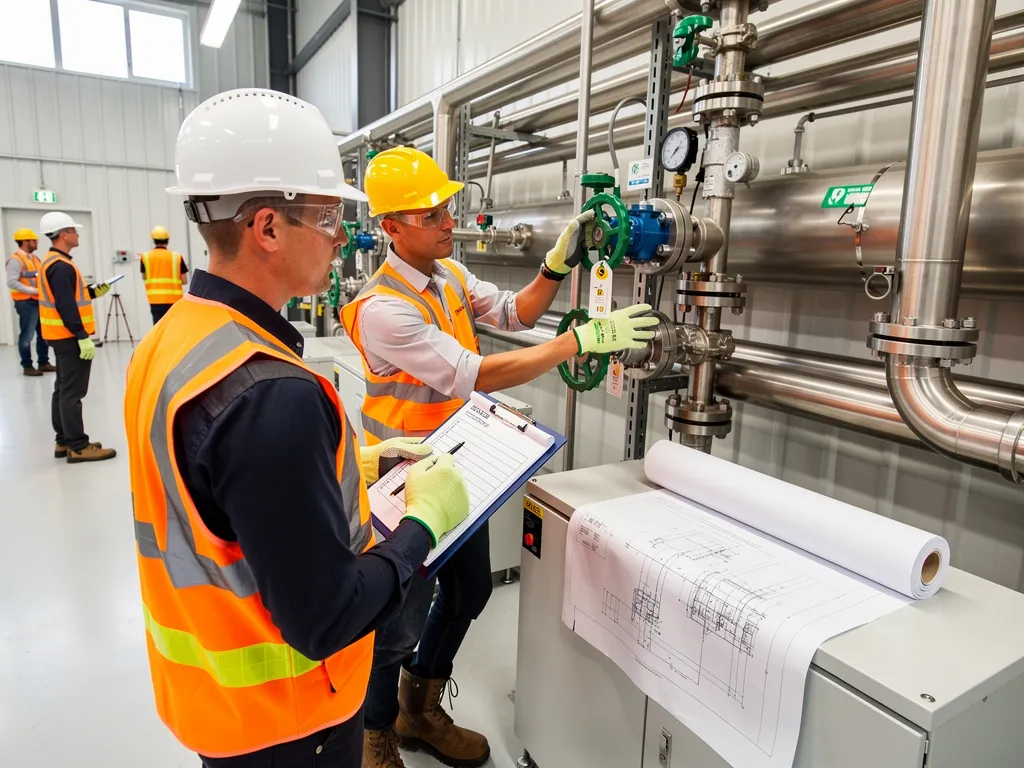
Management of change and risk analysis focus on planning; a pre-startup safety review focuses on verification. Risk analysis studies what could go wrong before work begins. Management of change (MOC) governs how a modification gets approved and documented. Our pssr services step in after those processes finish, confirming the project actually delivers what the paperwork promised on Projects sites.

We treat the PSSR as closely tied to management of change, serving as the quality gate between planning a modification and operating under new conditions. Skipping that gate lets planning gaps travel straight into live operations. On Projects worksites, we have seen integration between PSSR and MOC required by procedure. Poorly implemented in practice, leaving reviewers to catch issues that should have surfaced earlier.

Is a PSSR the same as a risk assessment?

No. A risk assessment predicts hazards during design; a startup safety inspection confirms the physical plant matches those assumptions. Our teams treat the PSSR as sitting at the intersection of construction completion. Live operations, a distinct checkpoint from any earlier hazard study.

What does a PSSR actually check?

The review answers one question: is everything ready to operate safely? We verify this through physical walkdowns and documentation review, not simulation or analysis.

ProcessTimingCore Question
Risk analysisBefore design finalizedWhat could go wrong?
Management of changeDuring modification approvalIs the change controlled?
PSSRBefore startupIs it ready now?

Consistent brand identification across every project prestart safety review and commissioning safety review checklist we deliver keeps Projects teams confident the same rigor applies from planning through startup.

Who Should Conduct the Startup Safety Inspection?

Qualified safety professionals, not project engineers working alone, lead a proper pre-startup safety review. Rocky Zapata Safety Consulting fields 17 employees dedicated to safety consulting work. Our startup review teams travel directly to project sites to conduct this evaluation on-site. Our consultants apply the same discipline used in expert job site audits: comprehensive evaluations built to assess compliance with safety standards and identify hazards before they cause loss. That rigor defines our pssr services. A startup safety inspection deserves the same scrutiny applied to any fully operating facility.

These audits do more than check boxes. They minimize workplace accidents and confirm that safety protocols function as designed, not just as written. Every project we support receives consistent brand identification across teams, documentation, and reporting formats. Plant leadership recognizes our reviewers and process regardless of the site.

A review team typically includes:

  • Certified safety consultants who lead the formal inspection
  • Plant operations personnel who confirm procedures match field conditions
  • Trained operators who demonstrate readiness before handover

Who signs off on a project prestart safety review?

A project prestart safety review requires sign-off from both the safety consulting team and site operations leadership, not one party alone. Personnel must be handed over trained and ready to operate the process safely before startup proceeds. Skipping this shared accountability leaves gaps that surface only after hazardous materials enter the system.

What does a commissioning safety review checklist confirm?

A commissioning safety review checklist confirms construction matches design specifications and documentation is complete. It also verifies safeguards are functional and personnel training is finished. Our teams walk each project site against this checklist before recommending startup.

What Belongs on a Commissioning Safety Review Checklist?

A commissioning safety review checklist confirms three things at once: construction matches design specifications, safety systems function as intended, and operating procedures stand complete. We build these checklists to catch the gaps that surface only when a facility moves from paper to physical reality. For Projects sites bringing new or modified equipment online, that confirmation step separates a controlled startup from a costly scramble.

Timing shapes what the checklist must catch. By the point our team conducts a startup safety inspection, procedures have often already begun circulating among operators. Commissioning work may be well underway, with contractors finishing punch-list items while training sessions run in parallel. That overlap creates risk: small documentation gaps can slip past teams focused on getting equipment running.

What does a PSSR checklist actually verify?

Our project prestart safety review does not check items one at a time in isolation. It confirms multiple independent conditions simultaneously, because a facility rarely fails for a single reason. A pressure relief valve installed correctly means little if the procedure referencing it is outdated. If the technician assigned to it hasn't completed training yet.

A thorough checklist typically addresses:

  • Construction verification — confirming installed equipment matches approved design documents
  • Safety system function — testing alarms, interlocks, and shutdown systems before hazardous materials enter the process
  • Procedure completeness — verifying operating and emergency procedures exist and reflect current equipment configuration
  • Personnel readiness — confirming operators and maintenance staff have completed required training
  • Open item tracking — documenting outstanding punch-list items and assigning resolution owners before startup

Why does timing matter for PSSR services?

Reviewing a checklist too early misses details that only emerge once commissioning activity begins. We time our PSSR services for Projects clients to run alongside active commissioning, not before it starts. This approach catches conflicts between what's on paper and what's actually installed, before hazardous chemicals ever enter the system.

When Should a Project Prestart Safety Review Happen?

Timing determines whether a project prestart safety review protects a facility or arrives too late to matter. The review belongs at the exact point where construction wraps up. Live operations begin, marking the correct window for verification before hazardous materials enter the system. We schedule this work as the final checkpoint before commissioning, never as an afterthought squeezed in during startup.

For facilities we serve, the review applies in two clear scenarios. A pre-startup safety review is required when a process unit or piece of equipment gets commissioned for the first time. The same review applies when equipment restarts after a significant modification. OSHA reinforces this standard directly: under 29 CFR 1910.119(i), employers must complete a review for new facilities and for any modification substantial enough to trigger a change in process safety information.

Why does timing matter so much for a startup safety inspection?

Waiting too long carries real consequences. Once hazardous chemicals enter a system, small unresolved gaps escalate quickly into startup delays, loss events, or serious process safety incidents. We treat this window as non-negotiable for every project we support.

What marks the correct moment to run PSSR services?

The review sits precisely at the intersection of construction completion and live operations. That intersection is the moment our team engages, before any hazardous material introduction occurs.

Projects requiring a commissioning safety review checklist typically fall into these categories:

  • New process units entering initial commissioning
  • Equipment restarting after significant modification
  • Facilities undergoing changes to safety-critical process information

Consistent brand identification across every project site keeps documentation, training records, and verification steps aligned, regardless of location or project phase.

How Can PSSR Services Reduce Startup Risk?
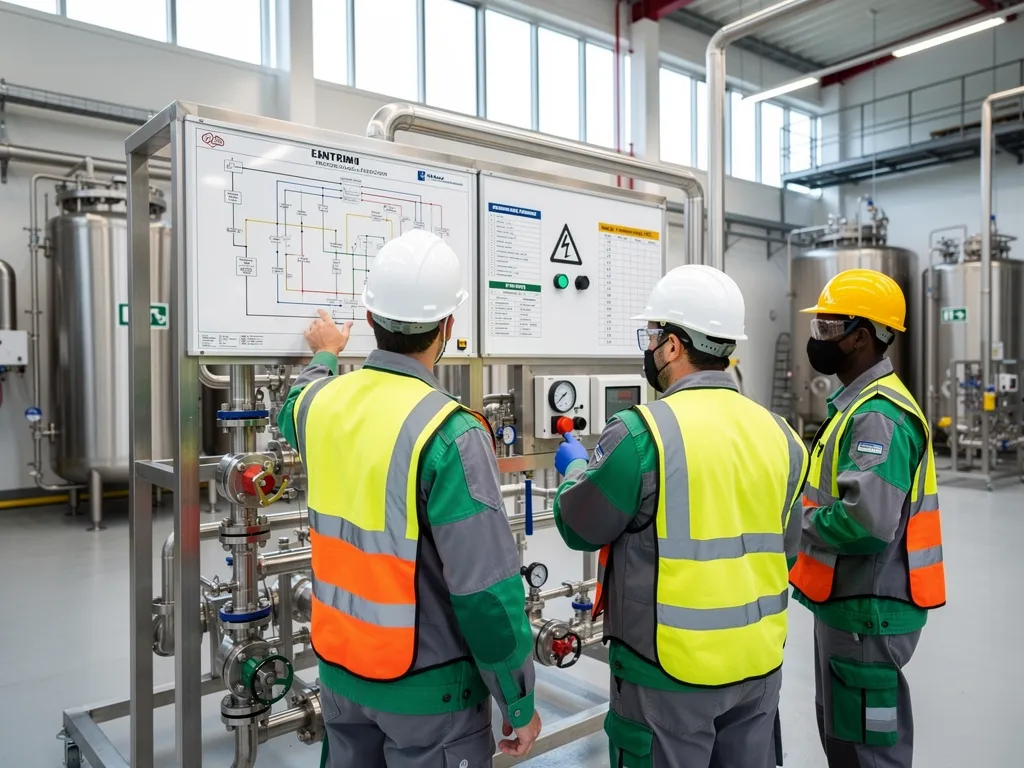
PSSR services reduce startup risk by verifying that construction, documentation, and safeguards match design intent before hazardous chemicals enter a system. Rocky Zapata Safety Consulting delivers this verification as a pre-startup safety review, confirming a process has been built correctly, documented correctly, safeguarded appropriately, and handed to trained personnel ready to operate it safely.

Comprehensive workplace safety inspections and audits remain paramount for mitigating risk and satisfying regulatory obligations on active job sites. That principle drives every startup safety inspection we conduct, whether the facility is a manufacturing plant, a construction site preparing for commissioning, or an energy project bringing new equipment online. We treat the review as a final checkpoint, not a formality.

What Does a PSSR Actually Verify?

A project prestart safety review confirms three things: physical construction matches engineering specifications, safety systems function as designed, and operating procedures are complete and accessible to trained staff. Skipping this verification invites gaps that surface only after hazardous materials are already in the system, when correction becomes far more costly.

Why Does Proactive Review Matter More Than Reactive Fixes?

Proactive measures address current safety issues before they escalate and cultivate a lasting culture of safety among project personnel. Waiting until after startup to catch deficiencies shifts a facility from prevention to damage control.

Our approach to a commissioning safety review checklist typically includes:

  • Verification that installed equipment matches approved design documents
  • Confirmation that safety instrumented systems and alarms are tested and functional
  • Review of operating and emergency procedures for completeness
  • Documentation that personnel have received process-specific training
  • Sign-off from qualified reviewers before hazardous chemical introduction

Based in Doral, Florida, our team travels to industrial, construction, and energy projects nationwide to conduct this review. Consistent brand identification across every deliverable, checklist, and report gives project leadership a single point of accountability throughout the review process.

FAQ

What does a Pre-Startup Safety Review verify?

A PSSR confirms construction matches the approved design, safety systems and interlocks function properly, operating and emergency procedures are complete, and personnel demonstrate required training before hazardous chemicals enter the system.

When should a Pre-Startup Safety Review take place?

The review belongs at the final gate. Construction finishes but before hazardous chemicals enter the system, since catching gaps then costs far less than a delayed or interrupted startup.

Who performs these Pre-Startup Safety Review services?

Rocky Zapata Safety Consulting, a 17-person team based in Doral, Florida, conducts formal PSSR inspections for construction, manufacturing, and energy facilities on Projects nationwide.

Conclusion

In closing, pre-startup safety reviews represent a strategic investment in your project's long-term success and profitability. By addressing potential hazards and compliance gaps before operations commence, your organization establishes a robust foundation for operational excellence and risk mitigation. This proactive approach protects your workforce, safeguards your assets, and positions your project for sustainable growth. Prioritizing comprehensive safety assessment from the outset demonstrates leadership commitment to both regulatory compliance and organizational resilience.