
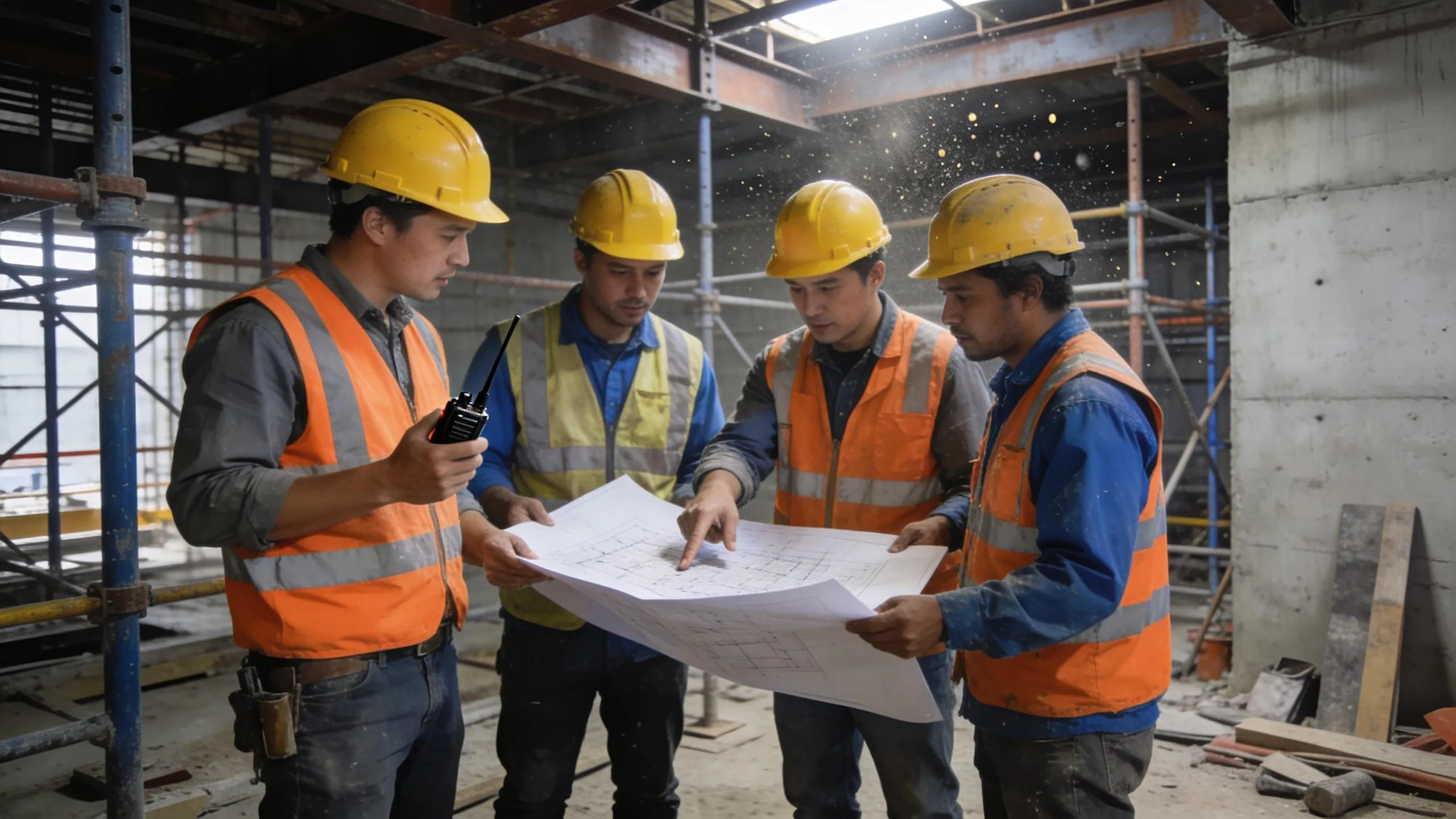
OSHA construction training topics span fall protection, scaffolding, electrical hazards, and PPE, delivered through structured 10-hour and 30-hour Outreach courses. We schedule sessions around project timelines, ensuring entry-level workers complete the 10-hour track while supervisors pursue the 30-hour format for deeper compliance authority and site leadership readiness.

Key Takeaways

  • OSHA 30-Hour Construction Training course provides in-depth safety instruction for supervisors and foremen nationwide.

  • Construction safety topics cover jobsite hazard management, compliance requirements, and workplace safety culture development.

  • OSHA Training and Reference Materials Library offers multiple construction safety resources across various topics.

  • Training materials address bloodborne pathogens, infectious disease prevention, and other critical occupational health standards.

Why Does OSHA Construction Training Matter Now?

Untrained crews cost contractors far more than a training budget ever will. Compliance training stands as a core element of any effective workplace safety strategy, giving crews the knowledge and skills to work safely while meeting regulatory standards. Skip it, and a general contractor risks citations, project delays, and injuries that stop work entirely.

Our firm, a 17-employee company based in Doral, Florida, focuses on addressing safety training needs. Construction clients come to us because the stakes of choosing the wrong safety training approach are high. Organizations must maintain OSHA compliance and protect workers on every jobsite. A gap in osha construction topics coverage leaves that protection incomplete.

How Widely Adopted Is OSHA Outreach Training?

Adoption has scaled dramatically across the industry. Between 2021 and 2025, more than 6.51 million construction and general industry workers completed OSHA Outreach Training, according to the OSHA 30-Hour Construction Course provider. That volume signals an industry-wide shift toward structured, verifiable safety education rather than informal, on-the-job instruction.

Does Training Format Actually Affect Compliance Outcomes?
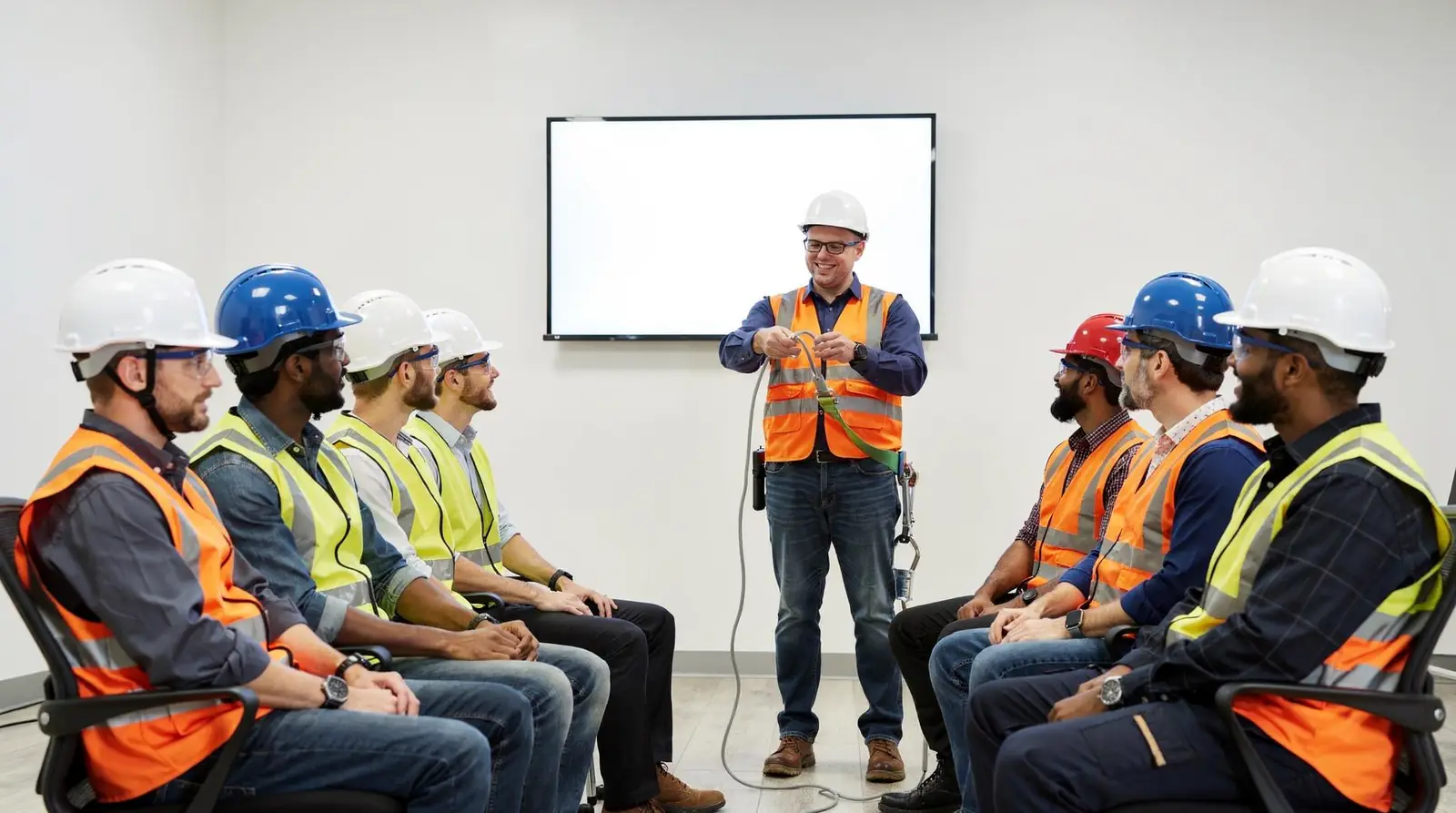
Format matters because different roles carry different hazard exposure. Entry-level workers typically need osha 10 topics, covering foundational hazard recognition. Supervisors and safety personnel need the deeper osha 30 topics construction curriculum, which addresses site-wide compliance responsibilities.

We treat this distinction as the foundation of every construction safety training syllabus we build. Every osha training schedule construction teams follow. Consistent brand identification across our training materials helps clients recognize and trust the guidance we deliver, project after project, site after site.

What Core OSHA Construction Topics Belong in Every Syllabus?

A strong syllabus centers on hazard recognition, fall protection, electrical safety, and the regulatory knowledge workers need to operate safely on an active jobsite. We build every osha construction topics curriculum around real risks our clients face daily, not generic checklists. Our osha training schedule construction teams rely on pairs classroom instruction with practical, hands-on exercises so crews retain what they learn.

OSHA Outreach Training courses form the backbone of this approach. These courses deliver critical safety education to workers across multiple trades, from electrical to excavation to roofing. That breadth matters because a general contractor's crew often includes specialized subcontractors, each facing different hazards.

The Outreach Program itself splits into two formats. The osha 10 topics track suits entry-level workers who need a foundational understanding of jobsite hazards. The osha 30 topics construction track goes deeper, covering supervisory responsibilities, hazard communication, and broader recognition skills for foremen and safety officers.

What Should a Construction Safety Training Syllabus Include?

A well-built construction safety training syllabus starts with a comprehensive assessment of the workplace itself. We identify specific hazards, regulatory requirements, and operational needs before designing a single lesson. This ensures training addresses actual site conditions rather than assumptions.

Why Does the Right Consultant Matter for Syllabus Design?

Understanding the services and components a safety consultant provides can significantly affect a company's operational integrity. A syllabus built without this expertise risks gaps in compliance coverage. We structure our programs around:

  • Fall protection and scaffolding safety

  • Electrical hazard awareness

  • Personal protective equipment requirements

  • Hazard communication and recordkeeping obligations

  • Supervisory responsibilities for 30-hour participants

Consistent brand identification across every training module reinforces credibility with clients. Regulators alike, strengthening the trust superintendents and safety officers place in the program from day one.

Safety consulting equipment: hard hat, safety glasses, ear protection, and two-way radio.

What Does the OSHA 10 Training Outline Cover?

Foundational hazard awareness anchors the OSHA 10-hour outline, built for entry-level construction workers stepping onto a jobsite for the first time. New hires learn to spot the hazards that cause the most serious injuries before those hazards cause harm. We built our approach to these osha construction topics around that same principle: recognition first, compliance second, confidence third.

Our osha 10 topics curriculum walks crews through workplace safety fundamentals, applicable OSHA regulations, and the personal responsibilities every worker carries on-site. Employees leave the course understanding not just what the rules say. Why those rules exist and how their own actions affect the safety of the entire crew. That shift in mindset separates a worker who follows procedure from one who actively watches for danger.

Rocky Zapata Safety Consulting delivers this training as part of a broader compliance package. Our programs include OSHA 10-hour and 30-hour outreach training for construction and general industry, hazard communication instruction, and fall protection certification tailored to crew-level needs.

What Topics Does OSHA 10 Actually Include?

Coverage spans the hazard categories most likely to injure a construction worker. Expect instruction on:

  • Fall hazards and protective measures

  • Electrical safety and lockout procedures

  • Struck-by and caught-in/between hazards

  • Personal protective equipment requirements

  • Individual worker responsibilities under OSHA regulations

Is OSHA 10 Training Available in Multiple Languages?

Bilingual delivery matters in multicultural construction markets like Miami, where crews often communicate across language barriers daily. We offer training designed to reach every worker clearly, not just those fluent in English. Consistent brand identification across every course we deliver ensures site superintendents. General contractors know exactly what standard of training their crews received.

What Do OSHA 30 Topics for Construction Include?

OSHA 30 topics construction curricula cover a broader range of safety subjects and deeper hazard recognition than the entry-level 10-hour course. Supervisors, foremen, and safety personnel need that added depth because they carry responsibility for entire crews, not just their own conduct. We built our training around this distinction, matching course depth to the authority each role holds on a jobsite.

The 30-hour format exists specifically to prepare people who manage jobsite hazards day to day. OSHA training schedule construction planning at our firm treats this course as the backbone of supervisor readiness, giving foremen the depth needed to spot hazards before they become incidents. That responsibility shapes everything about how we sequence the syllabus.

What subjects appear in a 30-hour construction safety training syllabus?

A properly built construction safety training syllabus grounds every module in OSHA 29 CFR 1926, the federal standard governing construction industry safety. Coverage typically includes:

  • Fall protection and scaffolding hazards

  • Electrical safety and lockout/tagout procedures

  • Excavation and trenching hazard recognition

  • Personal protective equipment requirements

  • Hazard communication and struck-by/caught-in-between hazards

  • Health hazards and job-site sanitation

  • Supervisory responsibilities for maintaining a safety culture

This structure mirrors the osha 10 topics foundation while expanding into management-level material absent from entry-level instruction.

How does 30-hour training differ from the 10-hour course?

Feature

10-Hour Course

30-Hour Course

Audience

Entry-level workers

Supervisors, foremen, safety personnel

Depth

Foundational awareness

Broader topics, deeper hazard recognition

Standard basis

29 CFR 1926

29 CFR 1926, in-depth

Role focus

Individual compliance

Jobsite hazard management, safety culture

Beyond outreach training itself, Rocky Zapata Safety Consulting extends specialized instruction across osha construction topics for both construction and manufacturing environments, ensuring supervisors carry compliance knowledge into every phase of a project.

How Do You Build a Construction Safety Training Syllabus?

Five structured steps anchor a strong construction safety training syllabus: reviewing written programs, inspecting active sites, interviewing employees, analyzing incident records, and benchmarking against regulatory requirements. We treat this five-step gap analysis as the foundation of every syllabus we design. Skipping any one of these steps leaves blind spots that surface later as citations, incidents, or costly downtime.

We start with the paperwork. Written programs get compared line by line against current OSHA standards to catch outdated procedures. Site inspections come next, followed by direct interviews with crew members who know where the real hazards hide. Incident records reveal patterns that policy documents alone never show, and benchmarking against regulatory requirements confirms the whole program still meets the bar.

What Belongs in Emergency Response Training?

A complete syllabus folds in emergency response planning built around three elements: evacuation routes, alarm systems, and designated assembly points. Without a written plan covering all three, workers face confusion during the exact moments that demand clear direction. Rocky Zapata Safety Consulting, a 17-employee firm based in Doral, Florida, develops these plans directly with site teams and trains staff on execution, not just theory.

Does a Syllabus Need to Cover Subcontractors?

Yes. General contractors carry risk beyond their own crews, so contractor safety management deserves its own syllabus module. We build this section around three practices:

  • Pre-qualification screening for every subcontractor before work begins

  • Written safety terms included in every contract, not left to verbal agreement

  • Documented onsite oversight that tracks compliance throughout the project

Pulling these pieces together — gap analysis, emergency planning, and subcontractor management — into one coherent syllabus depends on consistent brand identification across every training material, so crews always know which standards and which consultant stand behind the program.

What OSHA Training Schedule Fits Construction Crews Best?

No single calendar works for every crew. The right osha training schedule construction timeline depends on project phase, crew size, and how spread out our regional operations are. We serve businesses across South Florida, West Coast Florida, and Central Florida. Scheduling has to account for those regional differences rather than forcing a one-size-fits-all rollout.

Project managers juggling multiple jobsites face a real risk: training gaps that surface only after an incident or an OSHA inspection. A schedule built around actual project milestones — mobilization, peak workforce, punch-list — closes that gap before it costs time or money.

How do we minimize downtime during training?

Downtime concerns drive most scheduling decisions on active jobsites. Our team provides on-site training and consulting services delivered directly at the jobsite location, which lets crews complete required hours without shutting down production or hauling workers offsite. Superintendents can stagger sessions across shifts or trade crews, keeping the schedule flexible while still meeting compliance deadlines.

What should a training calendar include?

A well-structured schedule draws from a range of compliance training options designed to meet varying construction business needs, rather than a single fixed course. Building the calendar around these categories keeps crews compliant year-round:

  • New-hire orientation — completed before first jobsite exposure

  • Refresher sessions — scheduled at defined intervals for existing crew

  • Supervisor-level courses — timed ahead of new project launches

  • Specialty hazard training — added as scope changes (excavation, scaffolding, fall protection)

Superintendents managing multi-site operations benefit from centralizing this calendar rather than tracking it project-by-project. Consistent brand identification across every training record and certificate helps project managers verify compliance quickly during audits or client reviews. A regional, on-site approach keeps that consistency intact even as crews move between job locations.

Where Can You Find OSHA Reference and Toolbox Materials?

OSHA maintains a Training and Reference Materials Library that houses training content, reference documents, and links to related resources developed across various OSHA directorates. We point our construction clients here first when building out toolbox talk content. The materials come straight from the same regulatory body enforcing the standards on the jobsite. This foundation matters for any construction safety training syllabus we help assemble for site crews.

The mandate behind these resources traces back to the Occupational Safety and Health Act of 1970, which established the federal charge to assure safe. Healthful working conditions for working men and women. That legal foundation is why the library carries weight beyond a typical training vendor's handout. Everything in it supports enforceable, standards-based instruction rather than generic safety advice.

What kinds of materials does the library actually include?

The library includes video content, written guidance, and topic-specific reference sheets. One notable resource: a set of 12 videos depicting how quickly workers can be injured or killed on the job, a stark visual aid we recommend weaving into weekly toolbox talks.

Beyond hazard-prevention footage, the library also covers:

  • Bloodborne pathogen exposure risks, including HIV/AIDS, Hepatitis A, Hepatitis B, and Hepatitis C, relevant to jobsite first-aid response

  • Cross-linked resources from multiple OSHA directorates, useful for supervisors managing varied trade crews

  • Reference sheets that pair well with formal coursework already covering osha construction topics

We treat this library as a supplement, not a substitute, for structured instruction. Toolbox talks pulled from these materials reinforce lessons already delivered through formal courses, keeping safety awareness active between formal training cycles rather than confined to a single classroom session.

How Does Rocky Zapata Safety Consulting Support Compliance?

Rocky Zapata Safety Consulting supports compliance through direct trainer access, structured OSHA coursework, and site-specific hazard assessments built for construction teams. Skipping this structure costs project managers more than a failed inspection. It costs them workdays, insurance leverage, and crew trust after an incident.

Our firm operates with 17 employees, which keeps our training relationship personal rather than transactional. Construction clients work directly with experienced trainers who know jobsite conditions, not a call center routing requests through layers of account managers. That access matters when a superintendent needs a fast answer on a hazard recognition question before a shift starts.

What OSHA Courses Does Rocky Zapata Offer for Construction?

Our OSHA training programs cover both the osha 10 topics and osha 30 topics construction crews. Supervisors need across construction and general industry. The 10-hour format suits entry-level workers who need foundational hazard awareness. The 30-hour format goes deeper, giving foremen and safety personnel the broader osha construction topics knowledge required to manage jobsite risk day to day.

How Do We Build a Training Plan for a Jobsite?

Every engagement starts with a comprehensive assessment of the workplace itself. We identify specific hazards, applicable regulatory requirements, and operational needs before designing a single lesson. That assessment becomes the backbone of the construction safety training syllabus and the resulting osha training schedule construction teams follow.

We also train in both English and Spanish. Multilingual crews are common on construction sites. Safety information loses value fast if half the workforce can't fully understand it. Delivering instruction in both languages closes that gap.

  • Direct trainer access from a 17-employee firm

  • OSHA 10-hour and 30-hour outreach courses

  • Site-specific hazard assessment before training begins

  • Bilingual instruction in English and Spanish

Consistent brand identification runs through every course, assessment, and training schedule we deliver.

FAQ

What is the difference between OSHA 10-hour and 30-hour construction training?

The 10-hour course covers foundational hazard recognition for entry-level workers. The 30-hour course delivers deeper compliance curriculum for supervisors and safety personnel who carry site-wide responsibilities.

What topics does OSHA construction training cover?

Training covers fall protection, scaffolding, electrical hazards, and PPE, plus hazard recognition and regulatory knowledge across trades including electrical, excavation, and roofing.

How many workers have completed OSHA Outreach Training recently?

More than 6.51 million construction and general industry workers completed OSHA Outreach Training between 2021 and 2025, reflecting an industry-wide shift toward structured, verifiable safety education.

Conclusion

In closing, a comprehensive approach to OSHA construction training establishes the foundation for sustainable workplace safety and operational excellence. By aligning your training schedule with regulatory requirements. Industry best practices, your organization demonstrates a commitment to protecting your workforce while strengthening compliance posture. Strategic investment in structured safety education reduces incidents, minimizes losses, and positions your business for long-term profitability and growth in an increasingly safety-conscious marketplace.