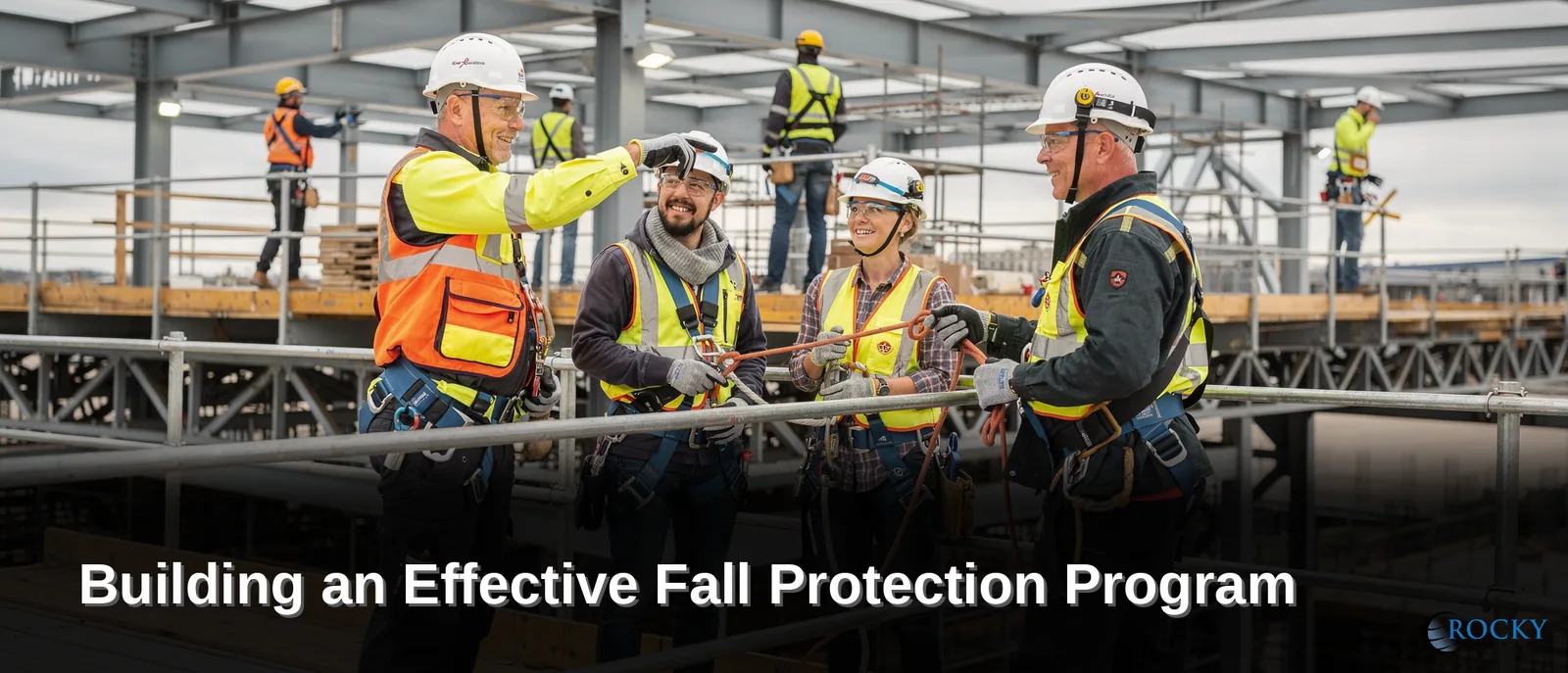
Fall protection program development requires a written plan addressing OSHA's construction standards, which govern guardrails, safety nets, and personal fall arrest systems. Falls caused 38.7 percent of the 991 construction worker deaths BLS reported in 2016. We build site-specific programs, train crews under OSHA Outreach courses, and audit equipment to close compliance gaps before inspectors find them.

Key Takeaways

  • Falls cause 38.7 percent of construction worker fatalities, making fall protection a critical OSHA compliance requirement.
  • OSHA standards mandate employers establish workplace systems preventing employees from falling off elevated platforms and overhead areas.
  • Fall protection ranks among the most common causes of serious work-related injuries and deaths across all industries.
  • Employers must implement fall protection programs as a legal requirement, not merely an ethical workplace safety responsibility.

Why Is Fall Protection Compliance Non-Negotiable?

Falls rank among the most common causes of serious workplace injuries and deaths on construction sites and industrial facilities alike. That reality alone should drive every general contractor and safety officer to prioritize a structured fall protection program. But the financial and legal stakes make compliance even harder to ignore.

OSHA inspectors cited fall protection violations more than any other standard in fiscal year 2023, recording 7,188 citations across American workplaces. That volume signals a persistent, industry-wide gap between policy and practice. We see the same gap repeatedly in our own site assessments. Plans exist on paper but fail under real conditions.

The cost of that gap has grown steeper. Fines for fall protection violations start high, and repeat or willful violations climb far higher. Multiply that figure across multiple job sites or repeat citations. The financial exposure becomes difficult to justify to ownership or shareholders.

Is Fall Protection Just an OSHA Checkbox?

No — workplace safety carries the weight of law, not just internal policy. Employers hold a legal responsibility to protect workers from fall hazards, separate from any ethical obligation. Treating fall protection as optional exposes a company to citations, litigation, and reputational damage that outlasts any single project.

What Happens Without a Fall Protection Program?
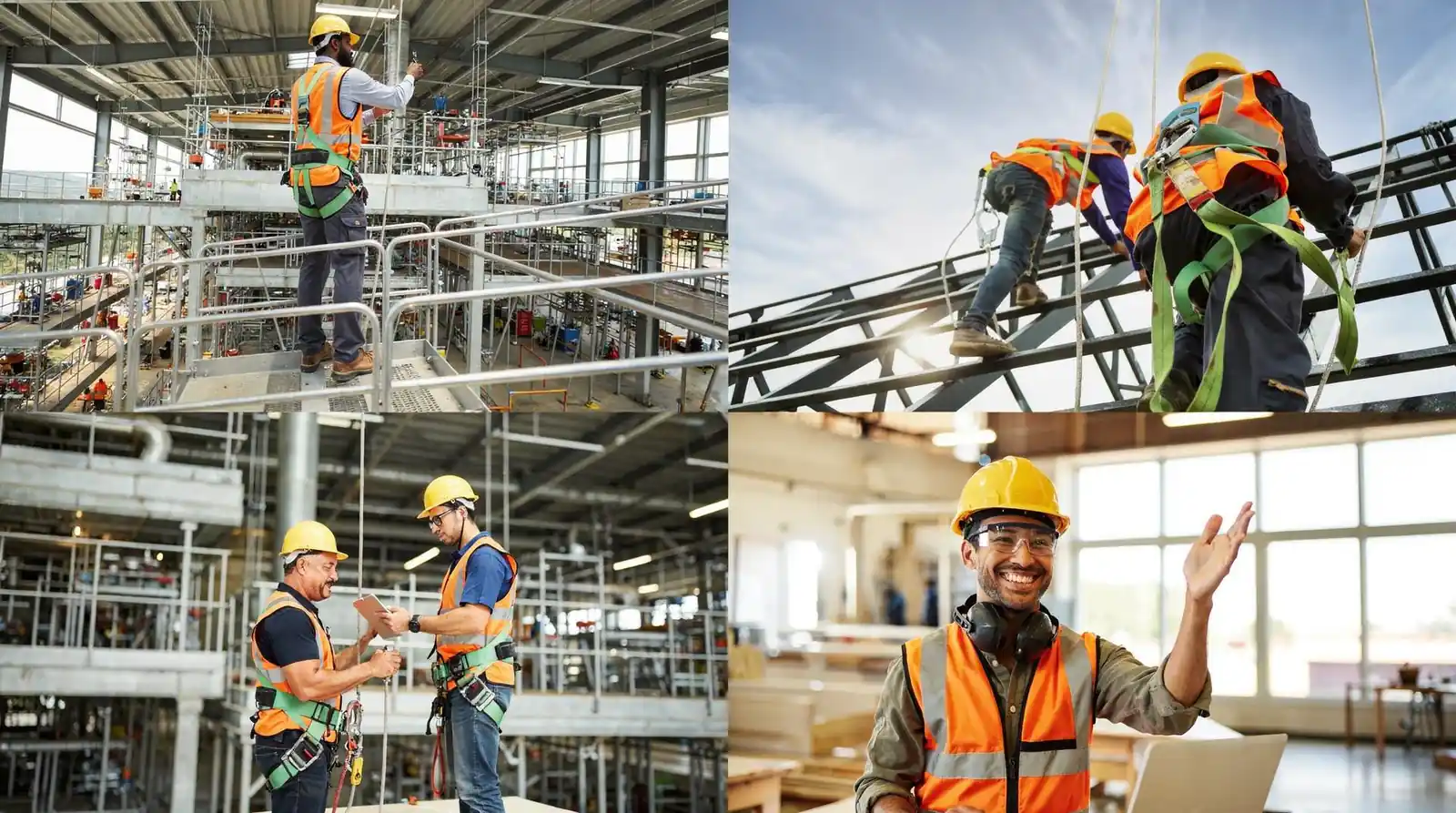
Sites without a documented, enforced program face higher injury rates, higher insurance premiums, and higher OSHA scrutiny. We consistently advise clients that reliable fall arrest systems paired with a written, site-specific plan close the gap between regulatory language and daily field practice. Executives who invest early avoid the far larger costs of citations, claims, and downtime later.

When Does OSHA Require Fall Protection Systems?

Elevation thresholds trigger the legal duty to protect workers from falls. Four feet marks the line in general industry workplaces; five feet applies in shipyards. Construction sites carry a six-foot threshold; longshoring operations require protection at eight feet. Cross these heights without safeguards in place, and we're no longer talking about a minor paperwork gap. We're talking about a citation, a potential injury, and a liability exposure that follows the company for years.

We ground our approach in OSHA standard 1926.501, which lays out the employer's duty to have fall protection systems on covered worksites. This regulation doesn't leave room for interpretation on intent: employers must furnish protection once a work surface reaches the applicable height. Fall protection also runs throughout OSHA's broader construction standards, reinforcing that this obligation applies across nearly every phase of a build.

Does the six-foot rule apply to every construction task?

Yes — the six-foot threshold governs construction work broadly, but the specific protection method depends on the task and surface. Before assigning work at height, we help clients determine whether a walking or working surface has the strength and structural integrity to support employees safely. That assessment isn't optional; it's a prerequisite under the standard itself.

Meeting these thresholds requires more than awareness of the numbers. A functioning fall protection program typically includes:

  • Surface evaluations conducted before employees step onto elevated platforms
  • Selection of appropriate fall arrest systems for the task and height involved
  • Written procedures that help teams develop fall protection plan documentation specific to each site condition
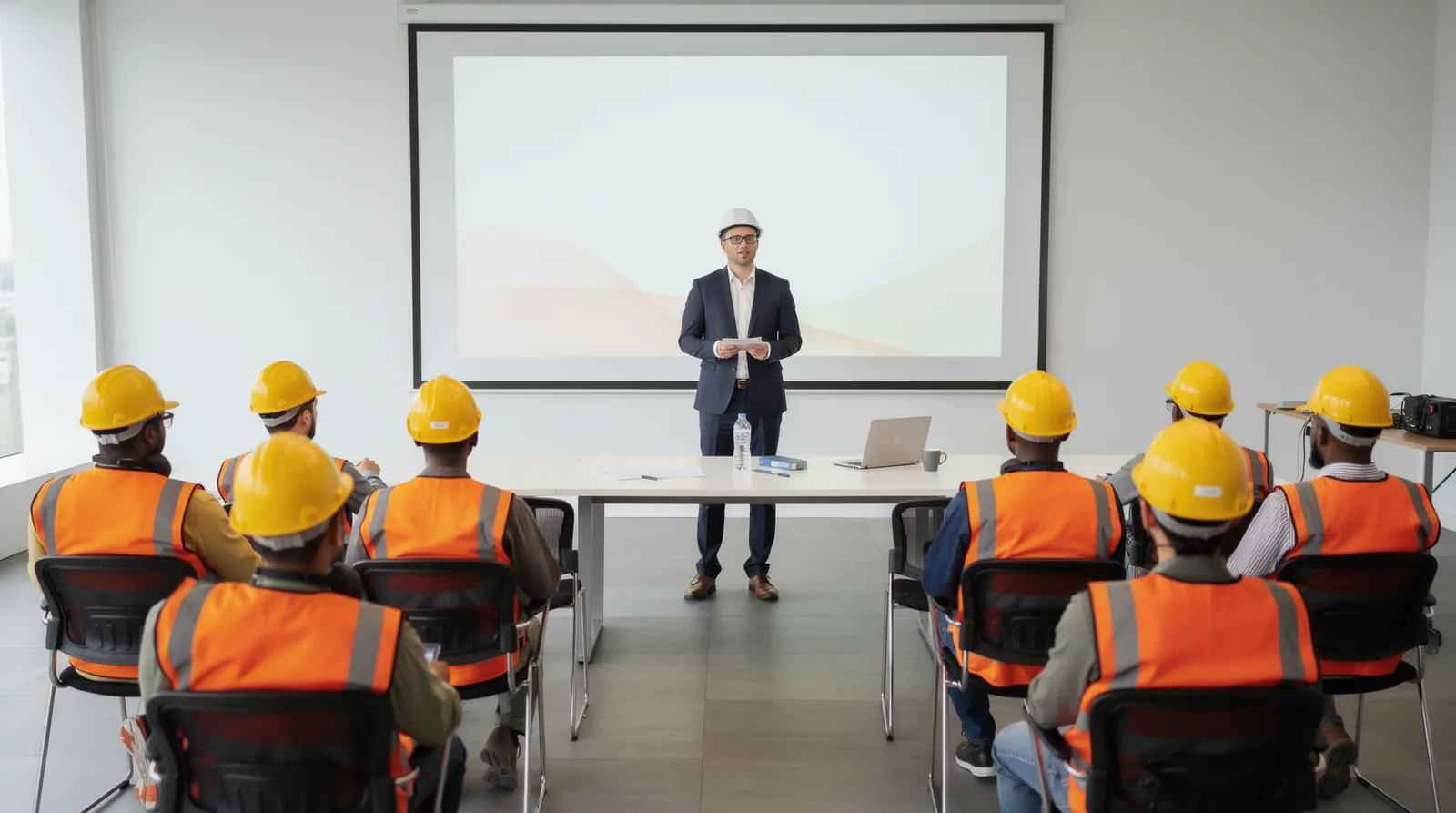
We build these elements into every client engagement, ensuring consistent brand identification across training materials, signage, and safety documentation so workers recognize protocols instantly, site after site.

What Are the Core Elements of a Fall Protection Program?

Four pillars hold up every effective fall protection program: hazard assessment, engineered systems, worker training, and documented site-specific planning. Skip any one of these, and the entire structure weakens. Leaving crews exposed and employers facing citations that could have been prevented. We build each pillar around your actual worksite conditions, not a generic checklist.

Assessment comes first. We begin with a comprehensive review of your workplace, identifying specific hazards, regulatory requirements, and operational needs before recommending a single piece of equipment. This step separates a compliance program that actually protects workers from one that merely exists on paper.

From there, we help you select and deploy fall arrest systems matched to the exposure. Guardrails, safety nets, or personal arrest equipment, depending on the task and height involved. Every system installed on your site must conform to the technical criteria established under OSHA standard 1926.502. That's not optional; it's the baseline for legal compliance.

What training do workers need for fall protection?

Compliance training stands as an essential component of any effective workplace safety strategy. It ensures employees carry the knowledge and skills required to work safely while meeting regulatory obligations. Rocky Zapata Safety Consulting offers a range of compliance training options built around the diverse needs of different businesses, rather than a one-size-fits-all course.

Why does a written plan matter?

A written plan converts good intentions into enforceable procedure. When we help clients develop a fall protection plan, we document hazard locations, assigned equipment, and worker responsibilities in one accessible reference. Site managers use it during audits; new hires use it during onboarding. Without that documentation, even well-equipped crews struggle to prove compliance during an inspection.

Together, these elements form a defensible, auditable system — one built for your site, not borrowed from a template.

How Do You Develop a Fall Protection Plan?

Building an effective fall protection plan starts with trained personnel, not paperwork. Our approach centers on OSHA Outreach Training, which delivers critical safety education to workers across construction, healthcare, and other high-risk industries. Without properly trained crews, even well-written plans collapse the moment conditions get complicated on-site.

We structure this training into two formats to match crew experience levels. The 10-hour course fits entry-level workers who need foundational hazard awareness. The 30-hour course goes further, covering a broader range of safety topics and the hazard recognition skills that a written fall protection plan actually depends on. Choosing the right format for each role on your crew is the first real decision in the planning process.

Who should lead the plan-writing process?

Supervisors and safety officers who have completed the 30-hour course are best positioned to lead plan development. Their broader exposure to hazard recognition means they can anticipate fall risks that entry-level training simply doesn't cover.

Does location affect how we build the plan?

Yes — regulatory context matters as much as the physical worksite. Workplace safety compliance is paramount for businesses operating under intricate OSHA regulations layered with state-specific laws. Florida operations face this complexity directly. A plan built without accounting for these overlapping requirements leaves gaps that inspectors find quickly.

Our recommended sequence for building a fall protection plan:

  1. Assess crew composition and assign 10-hour or 30-hour training accordingly.
  2. Identify site-specific fall hazards using skills from hazard recognition training.
  3. Cross-check requirements against applicable state and OSHA regulations.
  4. Document procedures, responsibilities, and fall arrest systems requirements in writing.
  5. Review and update the fall protection program as site conditions change.

We treat plan development as an ongoing process, not a one-time document. Crews change, sites change, and regulations evolve — the plan has to keep pace.

Which Fall Arrest Systems Fit Your Job Site?

Job site conditions dictate the right equipment, not preference or convenience. Walking and working surfaces must carry the requisite strength and structural integrity before any employee steps foot on them. A foundational rule that shapes every decision about fall arrest systems we recommend. Skip that structural check, and even the best-engineered harness setup won't prevent a collapse-related fall.

We build every fall protection program around the specific hazards present at a given site, not a generic checklist. Roofing crews, steel erectors, and scaffold workers all face different fall exposures, so equipment selection has to match the task. Below is a quick comparison of common system types we help clients evaluate:

How do we determine which system a site actually needs?

Our consultants inspect the surface conditions first, confirming structural strength before evaluating fall exposure points. From there, we cross-reference the layout against OSHA construction standards to identify where a fall protection plan needs to be developed for that specific site.

Does Rocky Zapata Safety Consulting provide training on these systems?

Yes. Our OSHA training programs include fall protection certification alongside specialized instruction for construction and manufacturing environments. We deliver this training on-site, at the client's location, so crews learn the equipment in the exact conditions they'll be working in. Florida's varied regional job sites present distinct regulatory and operational challenges. We tailor our recommendations accordingly rather than applying a one-size-fits-all approach.

How Should You Train Workers on Fall Hazards?

Effective fall hazard training requires clear communication, hands-on instruction, and language access for every worker on site. Skipping any one of these elements weakens a fall protection program before it ever reaches the field. Miami's construction workforce reflects a broad mix of languages and backgrounds. Bilingual training cannot be an afterthought when building a program that actually protects people.

We deliver training programs in both English and Spanish. This approach ensures every employee, regardless of language proficiency, receives the safety information needed to recognize and respond to fall hazards. A worker who misunderstands a harness instruction or a tie-off procedure faces the same risk as one who received no training at all.

Our reach extends beyond Miami. We serve businesses across South Florida, West Coast Florida, and Central Florida, bringing consistent brand identification and training quality to every job site we support, no matter the region.

What Should Fall Hazard Training Cover?

Training should give workers practical, usable knowledge, not just regulatory theory. We recommend covering these core areas:

  • Proper use and inspection of fall arrest systems, including harnesses, lanyards, and anchor points
  • Hazard recognition on elevated platforms, near floor holes, and at leading edges
  • Site-specific procedures for how crews develop fall protection plan documentation before work begins
  • Rescue and emergency response steps if a fall occurs

Why Does Bilingual Training Reduce Risk?

Bilingual instruction closes comprehension gaps that lead to preventable incidents. When every worker understands hazard warnings in a language they speak fluently, response times improve and mistakes drop.

The right compliance strategy does more than satisfy an inspector. It bolsters operational excellence, cuts workplace incidents, and strengthens employee morale across the entire crew.

Why Partner with a Florida Safety Consulting Firm?

Local expertise makes the difference when OSHA violations and fall-related fatalities carry six-figure consequences. Rocky Zapata Safety Consulting operates from Doral, Florida, with a team of 17 employees dedicated to serving Florida businesses across construction, healthcare, and other high-risk industries. That local footprint means we understand Florida's regulatory environment and the specific hazards our clients face on a daily basis. Consistent brand identification across every project, training session, and consulting engagement gives our clients confidence that they're working with a firm built specifically for their region and their risk profile.

Choosing a safety consulting partner is not a decision to take lightly. The stakes run high, since organizations must maintain strict OSHA compliance while protecting their workforce from serious injury or worse. A weak fall protection program or an incomplete strategy to develop fall protection plan documentation can leave a company exposed to citations, litigation, and reputational damage that outlasts any single project.

What should I look for in a safety consulting firm?

Look for a firm that understands both the regulatory landscape and the practical realities of your worksite. The services and components offered by an established consultant directly shape how well your company protects workers and maintains operational integrity.

Why does local presence matter for fall protection compliance?

A Florida-based team brings firsthand knowledge of regional job sites, climate-driven hazards, and enforcement patterns that out-of-state consultants often miss. This proximity supports faster site visits, hands-on training for fall arrest systems, and ongoing plan updates as regulations evolve. Consider the comparison below:

What Are the Next Steps to Full Compliance?

Full compliance starts with an honest audit of current fall hazards. A clear-eyed look at the regulatory framework governing your sites. We built our consulting practice around this exact challenge: navigating a complex regulatory environment while aligning safety strategies with each organization's real-world operations. That work rarely follows a straight line, and businesses that treat compliance as a one-time checklist often fall behind.

Our approach covers the full picture. From workplace safety audits to the guidance our OSHA compliance consultants provide, all aimed at strengthening the benefits effective safety management delivers. We don't isolate one piece of the puzzle. A strong fall protection program touches training, equipment selection, and site-specific hazard controls, and each element reinforces the others.

How Do We Build a Fall Protection Plan That Holds Up?

We start by identifying every walking and working surface where a fall hazard exists, then match controls to the specific risk. From there, we help clients develop fall protection plan documentation that assigns responsibility, sets inspection schedules, and defines rescue procedures before workers ever step onto elevated surfaces.

What Role Do Fall Arrest Systems Play?

Fall arrest systems catch a falling worker before contact with a lower level, and selecting the right system depends on anchor points, worker weight, and fall clearance. We evaluate these variables on-site rather than relying on generic recommendations.

The stakes remain high. In 2016, the Bureau of Labor Statistics reported 991 construction worker deaths, with 38.7 percent tied directly to falls. That figure represents the cost of delay.

For Florida business owners especially, a sound compliance strategy offers essential insight into maintaining safety standards while protecting the workforce and the bottom line. Consistent brand identification across every training module, audit report, and safety plan reinforces that commitment at every site we serve.

FAQ

What height triggers OSHA's fall protection requirements?

Elevation thresholds vary by industry: four feet in general industry, five feet in shipyards, six feet on construction sites, and eight feet in longshoring operations under OSHA standard 1926.501.

Why does fall protection compliance matter so much?

Falls caused 38.7 percent of the 991 construction worker deaths reported by BLS in 2016. OSHA cited fall protection violations 7,188 times in fiscal year 2023 alone.

How does Rocky Zapata Safety Consulting help companies stay compliant?

The Doral, Florida-based firm builds site-specific fall protection programs, trains crews through OSHA Outreach courses, and audits equipment to close compliance gaps before inspectors find them.

Facts

  • Rocky Zapata Safety Consulting is located in Doral, Florida, US.
  • Rocky Zapata Safety Consulting has 17 employees.

Conclusion

In closing, developing a comprehensive fall protection program that meets OSHA compliance requirements represents a critical investment in your organization's safety culture and operational success. By implementing the structured protocols and assessment strategies outlined throughout this guide, your business establishes a foundation for reducing workplace incidents, protecting your workforce, and enhancing long-term profitability. Rocky Zapata Safety Consulting remains committed to guiding organizations through this essential process, ensuring your fall protection initiatives achieve both regulatory compliance and sustainable safety excellence.