
Customized Safety Programs: Effective OSHA Compliance Solutions
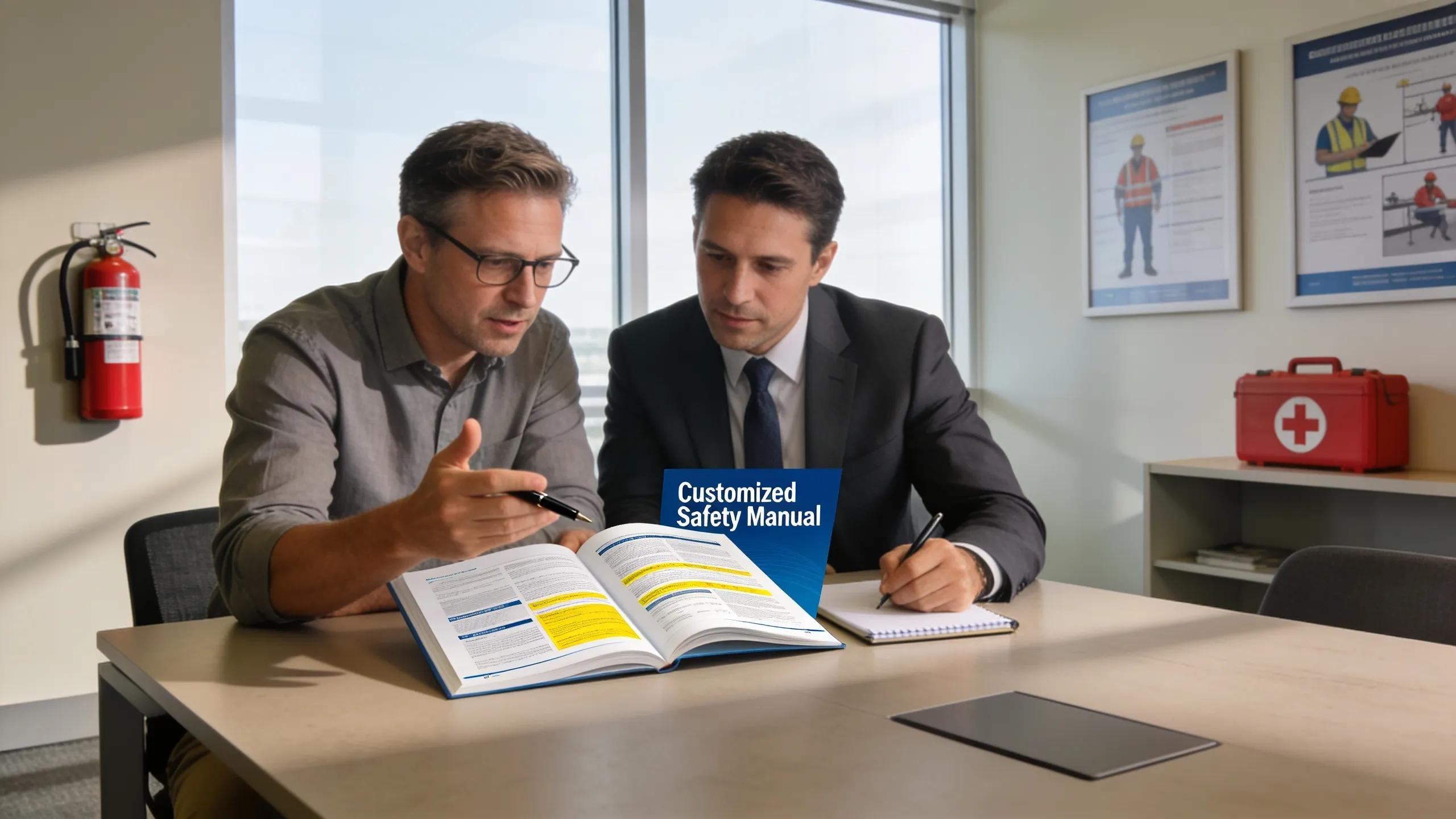
Business professionals reviewing customized safety manual and management system for workplace compliance.

Benefits of Customized Safety Programs and Compliance Systems

In today's complex workplace environments, organizations must prioritize safety to safeguard employee well-being and ensure compliance with regulations. Customized safety programs stand out as tailored solutions designed specifically to meet the unique needs of different organizations. This article delves into the development, implementation, and integral components of customized safety programs, enhancing both compliance and risk management. Readers will learn about essential strategies for safety program development, the roles of training and education, and the importance of ongoing assessment in maintaining effective safety systems. By incorporating customized safety manuals and management systems, businesses can address the myriad of workplace risks they face, fostering environments where safety is paramount.

Customized Safety Program Development

Developing a customized safety program involves several critical steps that cater to the specific needs of an organization. The process begins with conducting comprehensive risk assessments, which identify potential hazards inherent to the workplace. In addition, specialized training is required to equip employees with the knowledge and skills necessary to mitigate these risks effectively. Tailored emergency response plans are also essential, ensuring that organizations are prepared to act swiftly when incidents occur. These elements collectively contribute to a robust safety culture, underscoring the importance of proactive measures in safeguarding employee health.

OSHA Compliance Audits

Regular OSHA compliance audits are vital for maintaining workplace safety and ensuring adherence to regulations. These audits typically involve a thorough evaluation of organizational practices, assessing compliance with established OSHA standards. During this process, inspectors conduct inspections and employee interviews to identify areas for improvement and address any compliance gaps. By engaging in consistent audit practices, organizations can not only enhance their safety protocols but also foster a culture of accountability and transparency.

Training and Education

Training and education are essential components of any effective safety program. Comprehensive training programs should introduce employees to safety standards and best practices relevant to their roles. Additionally, ongoing education and refresher courses are crucial for keeping employees well-informed about evolving safety protocols and practices. These training initiatives deepen employees' safety knowledge, ultimately contributing to a safer workplace environment.

Best Practices Implementation

Implementing best practices is fundamental to the success of customized safety programs. Organizations can achieve this by:

  1. Customization of Safety Protocols: Adapting safety protocols to address specific operational hazards and organizational needs ensures relevance.
  2. Regular Training Refreshers: Conducting frequent training sessions reinforces knowledge and skills among employees, facilitating adherence to protocols.
  3. Engaging Expert Consultants: Collaborating with safety experts enables organizations to develop and refine their safety programs based on the latest industry standards and trends.

By implementing these best practices, organizations can enhance safety performance and boost employee engagement in safety initiatives.

What Are Customized Safety Programs and Their Core Benefits?

Customized safety programs, tailored to meet the unique needs of individual organizations, provide several core benefits. They enhance overall workplace safety by identifying specific hazards and creating protocols to mitigate these risks. Customized approaches also improve employee engagement, as employees feel that their safety needs are prioritized. A significant impact on compliance outcomes is also observed as tailored programs directly address industry-specific regulations.

How Do Tailored Safety Manuals Improve Occupational Health Management?

Tailored safety manuals offer significant improvements in occupational health management by providing clear guidelines for best practices and procedures. They serve as a holistic resource that addresses specific workplace hazards, ensuring that employees understand their responsibilities and the protocols necessary for safe operations. By fostering a sense of accountability and ownership, customized manuals enhance employee engagement, leading to measurable outcomes in safety metrics and occupational health.

Risk Management Integration

Integrating risk management strategies into safety assessments is crucial for comprehensive safety management. This integration proactively identifies potential hazards, enabling organizations to establish effective controls before incidents occur. Ongoing evaluation of safety practices helps organizations adapt to new risks, ensuring that safety measures remain effective and relevant.

Employee Engagement

Employee engagement is a critical factor in the success of workplace safety initiatives. Involving employees in safety discussions not only enhances the safety culture but also encourages adherence to established protocols. Mechanisms for feedback and reporting provide employees with a voice in safety matters, empowering them to contribute to a safer working environment.

Documentation and Recordkeeping

Maintaining proper documentation and recordkeeping is essential for demonstrating a commitment to safety and ensuring smooth operations. Types of documentation required include safety training records, incident reports, and inspection checklists, which are vital for preparing for audits. Effective recordkeeping displays an organization's dedication to safety and compliance, fostering trust among employees and regulatory bodies.

Ongoing Support and Adaptation

Ongoing support and adaptation are necessary components of effective safety management systems. Organizations must regularly update safety protocols to respond to regulatory changes and emerging risks. Additionally, promoting employee welfare through continuous support enhances overall safety culture, driving a proactive approach to workplace safety.

What Distinguishes Customized Safety Programs from Generic Solutions?

Customized safety programs differ from generic solutions through their tailored nature, focusing on the unique needs and characteristics of an organization. Key distinctions include:

  1. Tailored Risk Assessments: Customized programs conduct specific assessments that cover the organization’s unique risks and hazards.
  2. Specific Training Requirements: Organizations require training designed to address their particular operational challenges, rather than a one-size-fits-all approach.
  3. Importance of Precise Emergency Response Plans: Tailored programs develop specific emergency plans tailored to organizational contexts, ensuring preparedness for potential incidents.

How to Develop and Implement Effective Safety Management Systems?

Developing and implementing effective safety management systems requires structured approaches that encompass vital elements such as planning, auditing, and training. A well-structured safety management system begins with identifying the unique needs of the organization, followed by systematic evaluations of compliance. Documentation plays a crucial role in maintaining effective systems, as it ensures that all aspects of safety management are recorded and regularly reviewed.

What Are the Key Components of Health and Safety Management Systems?

  1. Planning and Auditing Processes: Establish clear safety goals and regular audits to evaluate effectiveness and identify improvements.
  2. Importance of Inspections: Frequent inspections ensure that safety standards are maintained and updated as necessary.
  3. Reviewing Documentation: Continuous documentation review helps maintain compliance and provides a transparent record for future evaluations.

How Can Structured Risk Assessment Techniques Optimize Safety Outcomes?

Structured risk assessment techniques help optimize safety outcomes by systematically identifying hazards and evaluating their potential impact. Effective techniques involve:

  • Job Safety Analysis Mechanisms: Breaking down tasks to identify hazards and implementing control measures specific to each task.
  • Observational Techniques: Regular monitoring of workplace practices enables proactive identification of unsafe behaviors.
  • Documentation Review Processes: Ensuring all safety procedures and incident reports are regularly reviewed allows for timely updates and adaptations.

What Leadership Strategies Drive Successful Safety Program Engagement?

Effective leadership strategies play a vital role in driving successful engagement in safety programs. Leaders can enhance safety culture through several approaches, including:

  1. Mentorship Programs: Establishing mentorship opportunities fosters knowledge sharing and encourages safety-focused behaviors among team members.
  2. Continuous Education Strategies: Regularly scheduled educational sessions reinforce the importance of safety and keep team members informed about new practices.
  3. Feedback Mechanisms: Encouraging open feedback channels helps identify potential improvements and promotes a proactive approach to safety.

How Does Leadership Foster a Culture of Safety and Compliance?

Leadership is instrumental in fostering a culture of safety and compliance. Effective leaders prioritize safety through regular training refreshers and by creating open lines of communication for employees to voice concerns. By modeling safe behaviors and demonstrating a commitment to safety, leaders cultivate an environment where compliance is integral to the organization’s operational ethos.

Which Personal Growth and Development Approaches Enhance Safety Leadership?

To enhance safety leadership, organizations can implement personal growth and development strategies that focus on:

  1. Communication Skill Enhancement: Leaders should engage in training that promotes effective communication, allowing them to convey safety messages clearly.
  2. Decision-Making Improvements: Leadership training that sharpens decision-making skills is crucial in situations requiring swift responses to safety issues.
  3. Child Safety Methods: Focusing on approaches that protect the most vulnerable employees fosters comprehensive safety awareness throughout the organization.

How to Ensure Regulatory Compliance Through Tailored Safety Programs?

Regulatory compliance hinges on the effective design and implementation of tailored safety programs. Organizations should focus on:

  • Relevance of OSHA Regulations: Tailoring safety approaches to ensure alignment with OSHA standards secures compliance.
  • Industry-Specific Standards: Acknowledging industry-specific regulations helps organizations avoid penalties and maintain their reputation.
  • Importance of Documentation: Documenting safety procedures and compliance efforts is essential for proving adherence to regulations during audits.

What Are the Latest OSHA Standards and Compliance Requirements for 2025-2026?

Staying informed about the latest OSHA standards and compliance requirements is crucial for organizations. Notable updates expected for 2025-2026 focus on enhanced protections and stricter implementation standards across various industries. Organizations must remain vigilant to ensure that their safety programs comply with these evolving standards to continue fostering workplace safety.

How Do Customized Manuals Align with Industry-Specific Regulations?

Customized manuals align with industry-specific regulations by incorporating relevant policies and procedures that address known risks. Integration of risk assessments further ensures that tailored safety manuals remain compliant with regulatory requirements, effectively preparing organizations for potential audits and inspections.

What Are Best Practices for Emergency Preparedness Planning in Customized Safety Programs?

Developing best practices for emergency preparedness planning is essential to creating effective customized safety programs. Vital elements include:

  1. Risk Assessment and Planning Overview: Conducting thorough assessments of potential emergencies to develop actionable plans.
  2. Developing Actionable Procedures: Creating clear procedures that outline roles and responsibilities during emergencies enhances response effectiveness.
  3. Importance of Drills and Training: Regular drills simulate emergency conditions, helping employees practice their responses and identify areas for improvement.

What Role Does Emergency Planning Play in Comprehensive Safety Management?

Emergency planning is a cornerstone of comprehensive safety management systems. It equips organizations to respond effectively to unforeseen incidents, mitigating risks to employee safety. Engaging in robust emergency planning involves devising clear response protocols, providing employees with accessible resources, and ensuring adequate training to enhance preparedness.

How Can Organizations Integrate Preparedness into Their Tailored Safety Manuals?

To effectively integrate preparedness into tailored safety manuals, organizations should:

  • Integration of Emergency Response Plans: Ensure these plans are an essential part of the overall safety manual.
  • Training Tie-Ins: Connect training programs to the content within the safety manuals to enhance comprehension.
  • Importance of Ongoing Updates: Regular revisions to manuals keep them current with emerging risks and best practices, facilitating continual improvement in safety measures.

How to Monitor, Update, and Continuously Improve Customized Safety Programs?

Monitoring, updating, and continuously improving customized safety programs involve systematic evaluations and audits. Organizations should conduct regular audits and evaluations to assess the effectiveness of existing safety measures. Incident investigations align with feedback mechanisms for employees to identify areas needing improvement, ensuring the program evolves to meet changing workplace realities.

What Steps Facilitate Ongoing Safety Program Effectiveness and Compliance?

Maintaining the effectiveness of safety programs requires several essential steps, including:

  1. Importance of Regular Audits: Consistent audits help identify non-compliance and areas requiring improvement.
  2. Ongoing Risk Assessments: Adaptation to new risks ensures safety measures remain relevant.
  3. Training Refreshers and Updates: Regular training sessions uphold employee awareness and compliance with safety protocols.

How Does Data-Driven Evaluation Support Continuous Improvement in Safety Systems?

Data-driven evaluation plays a significant role in the continuous improvement of safety systems. By collecting and analyzing relevant safety data, organizations can identify trends, measure effectiveness, and document progress. Implementing follow-up actions based on these evaluations helps to reinforce successful safety strategies while promoting proactive risk management.

Safety ElementDescriptionEffectiveness
Customized Safety ProgramsTailored approaches to address unique workplace hazardsHigh
Risk AssessmentsSystematic identification of workplace hazardsMedium
Training and EducationOngoing training to reinforce safety knowledgeHigh
DocumentationComprehensive records of safety practicesMedium

Through data-driven assessments, organizations can refine their safety initiatives, ensuring they consistently meet compliance standards while fostering a safer, more engaged workplace.