

Construction Safety Consultants: Expert Protection for Your Job Site
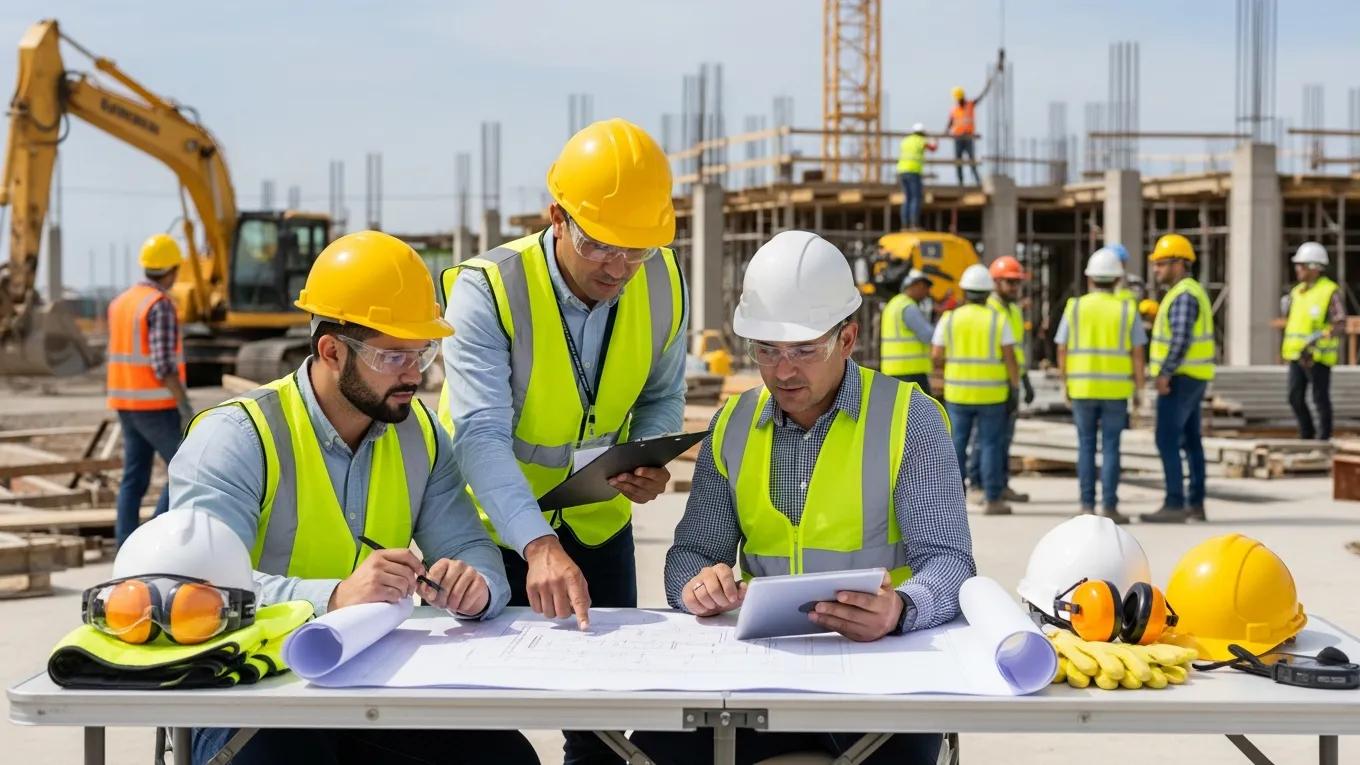
How Construction Safety Consultants Mitigate Job Site Risks
Importance of Safety Consulting
Which Key Services Do Safety Consultants Provide on Construction Sites?
- Job Safety Analysis: A systematic approach to identifying potential hazards on-site, ensuring that safety measures are in place before work begins.
- Safety Program Development: Crafting comprehensive safety programs that encompass training, hazard communication, and emergency response procedures.
- Compliance Checks: Regular audits to ensure adherence to OSHA standards and local regulations, helping organizations maintain a safe working environment.
How Does OSHA Compliance Influence Safety Consulting Practices?
What Are the Essential Construction Safety Training Programs Offered?
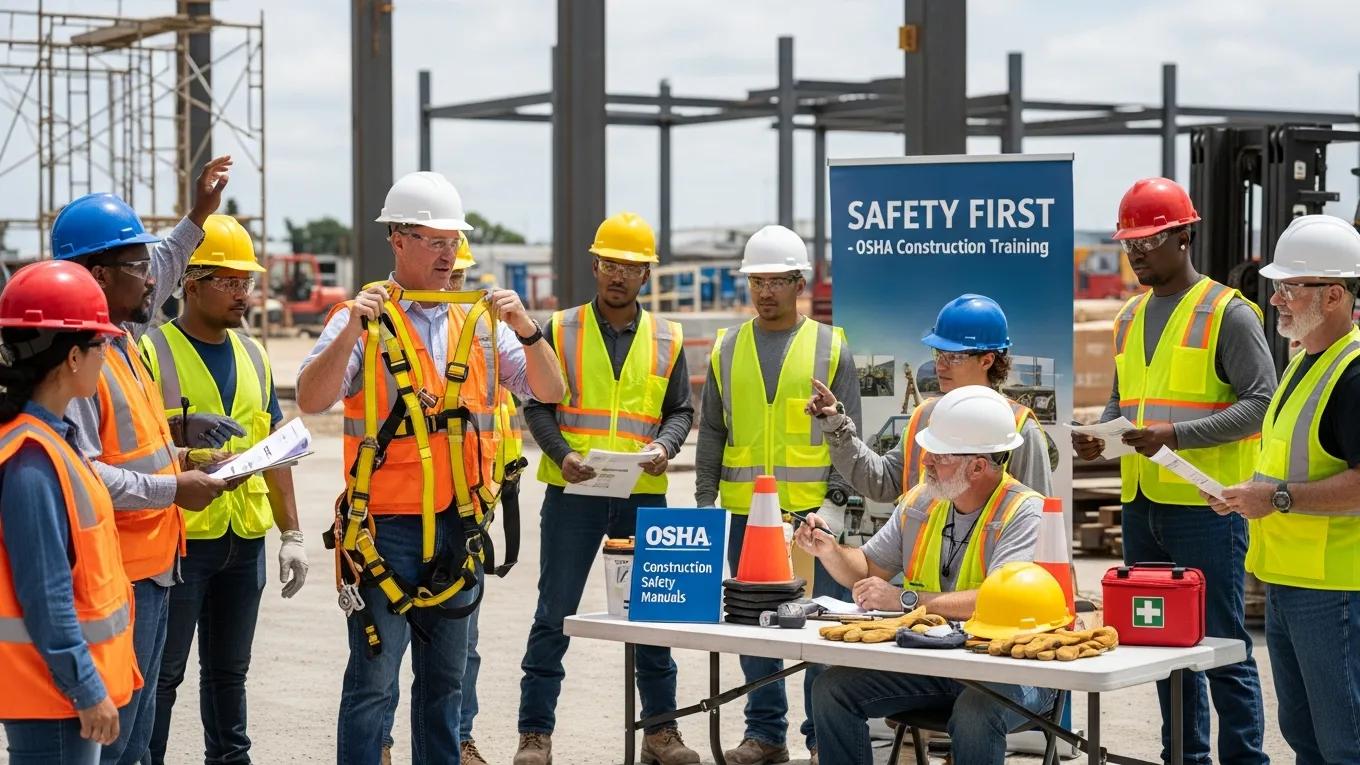
- OSHA 10-Hour and 30-Hour Training: These programs provide workers with basic awareness of hazards and their rights under OSHA.
- First Aid and CPR Training: Teaches workers how to respond effectively in emergencies, emphasizing injury prevention and response.
- Fall Protection Training: Focuses on specific strategies to prevent falls, which are a leading cause of construction site injuries.
How Do OSHA Construction Training Programs Improve Workplace Safety?
What Leadership Skills Are Developed Through Safety Training?
- Communication Skills: Effective communication is crucial for ensuring that safety information is conveyed clearly and understood.
- Decision-Making Abilities: Training encourages workers to assess situations critically and make informed safety decisions.
- Responsibility and Accountability: Safety training instills a sense of responsibility among employees to adhere to safety practices and contribute to a safer workplace.
How Are Job Site Hazard Assessments and Workplace Safety Audits Conducted Effectively?
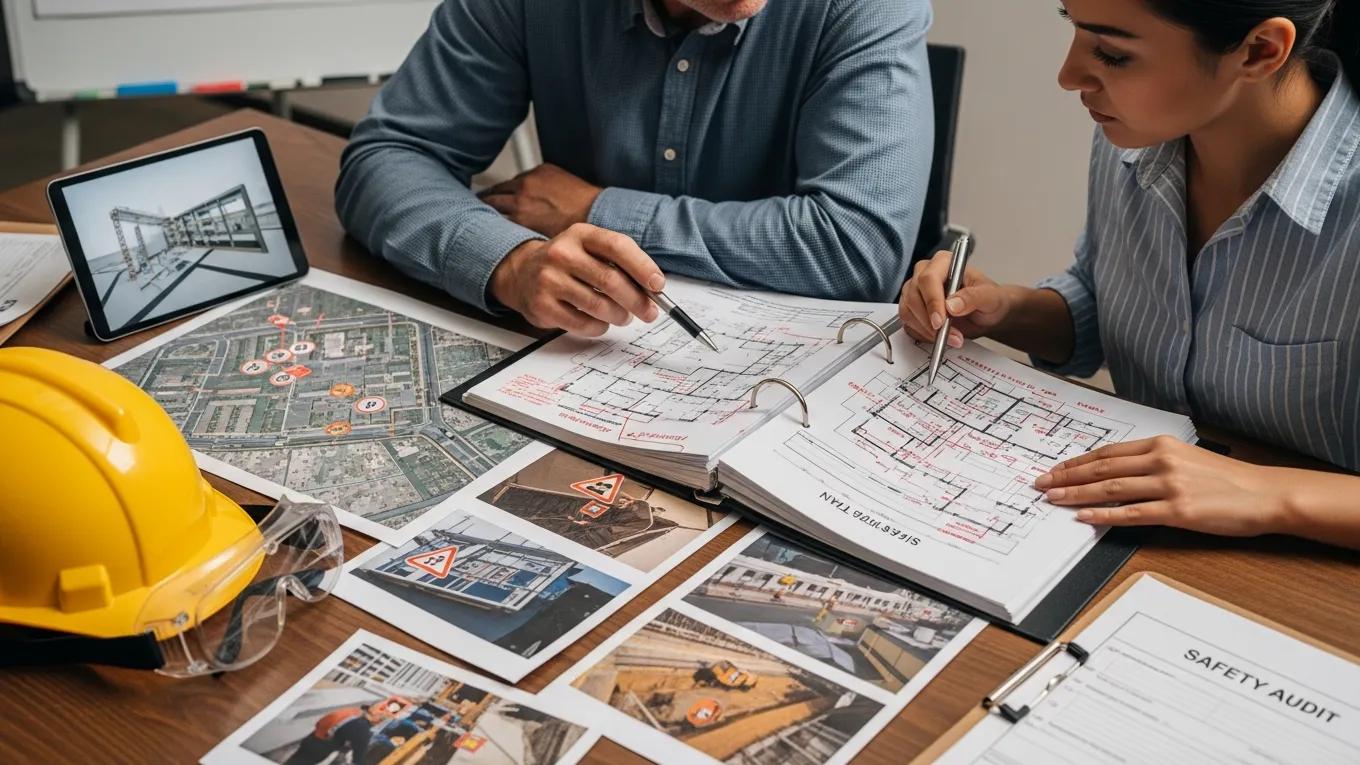
- Observational Techniques: Monitoring job site activities to identify unsafe practices or conditions.
- Interviews with Workers: Engaging with employees to gather insights about safety issues they may encounter.
- Documentation Review: Analyzing safety records, training logs, and previous audits to highlight areas needing improvement.
What Are Step-by-Step Procedures for Construction Site Safety Audits?
- Planning the Audit: Define audit scope, objectives, and necessary resources.
- Site Inspection: Conduct a walkthrough to observe conditions and practices directly.
- Data Collection: Collect relevant information, including employee interviews and policy reviews.
- Analysis and Reporting: Analyze findings and compile an audit report detailing strengths and improvement areas.
- Follow-Up Actions: Implement recommended changes and monitor progress over time.
How Does Risk Management Integrate Into Hazard Assessment Activities?
Why Is Leadership Development Critical for Construction Site Safety Excellence?
How Does Personal Development Strengthen Safety Accountability on Job Sites?
What Are Proven Strategies to Cultivate Safety Leadership Skills?
- Mentorship Programs: Pairing experienced leaders with newer employees to foster knowledge transfer and inspire commitment to safety.
- Continuous Education: Providing regular training sessions focused on the latest safety practices and regulations to keep leaders informed and prepared.
- Feedback Mechanisms: Implementing channels for employees to share safety concerns and suggestions, promoting a culture of open communication.