
Advanced safety consulting services combine OSHA Outreach Training, including 10-hour and 30-hour courses, with construction safety management and tailored program assessments. We build compliance strategies for Pembroke Pines businesses across construction and healthcare, reducing incidents and losses while strengthening operational efficiency through practical workshops, expert guidance, and measurable, industry-specific risk reduction outcomes.

Key Takeaways

  • Rocky Zapata Safety Consulting delivers comprehensive OSHA compliance and advanced safety training services to Florida businesses.
  • Our 17-person team provides onsite drug and alcohol testing available 24/7 throughout the Doral area.
  • We operate as an approved DISA collection site, ensuring industry-standard compliance for all testing procedures.
  • Rocky Zapata Safety Consulting combines 25 years of safety consulting expertise with hands-on training solutions.

Why Does Safety Consulting Matter for Pembroke Pines Employers?

Stakes run high whenever a Pembroke Pines organization builds or upgrades its safety program. OSHA compliance and workplace safety cannot be treated as afterthoughts. The wrong approach exposes a company to injuries, fines, and lasting reputational damage. Selecting the right partner for advanced safety consulting determines whether a program actually protects workers or simply checks a regulatory box.

We built Rocky Zapata Safety Consulting on this principle. Our position as a professional safety advisor means we treat every client engagement as a risk-reduction strategy, not a one-time audit.

What Does Hiring a Safety Consultant Actually Prevent?

A qualified consultant prevents costly workplace injuries before they happen. Beyond the human cost, unmanaged risk drives up workers' compensation premiums, invites expensive OSHA fines, and increases legal liability for the business. Our strategic safety solutions address all four exposures at once, rather than treating each as a separate problem.

Why Outsource Safety Instead of Managing It Internally?

Leadership teams in Pembroke Pines rarely have bandwidth to master evolving OSHA standards while running daily operations. Partnering with a dedicated safety consulting services for companies provider frees ownership. Operations directors to focus on core business functions. Meanwhile, experts handle the risk management work that demands constant regulatory attention.

We bring that expertise close to home. Rocky Zapata Safety Consulting operates from Doral, Florida, placing our team within easy reach of Pembroke Pines and the broader South Florida business community. That regional presence supports faster response times and a working knowledge of the local regulatory landscape.

Consider what changes when a company shifts from reactive to proactive safety management:

  • Fewer injury claims and lower associated costs
  • Reduced exposure to OSHA citations and penalties
  • Stronger workers' compensation standing over time
  • Leadership time redirected toward growth, not incident cleanup
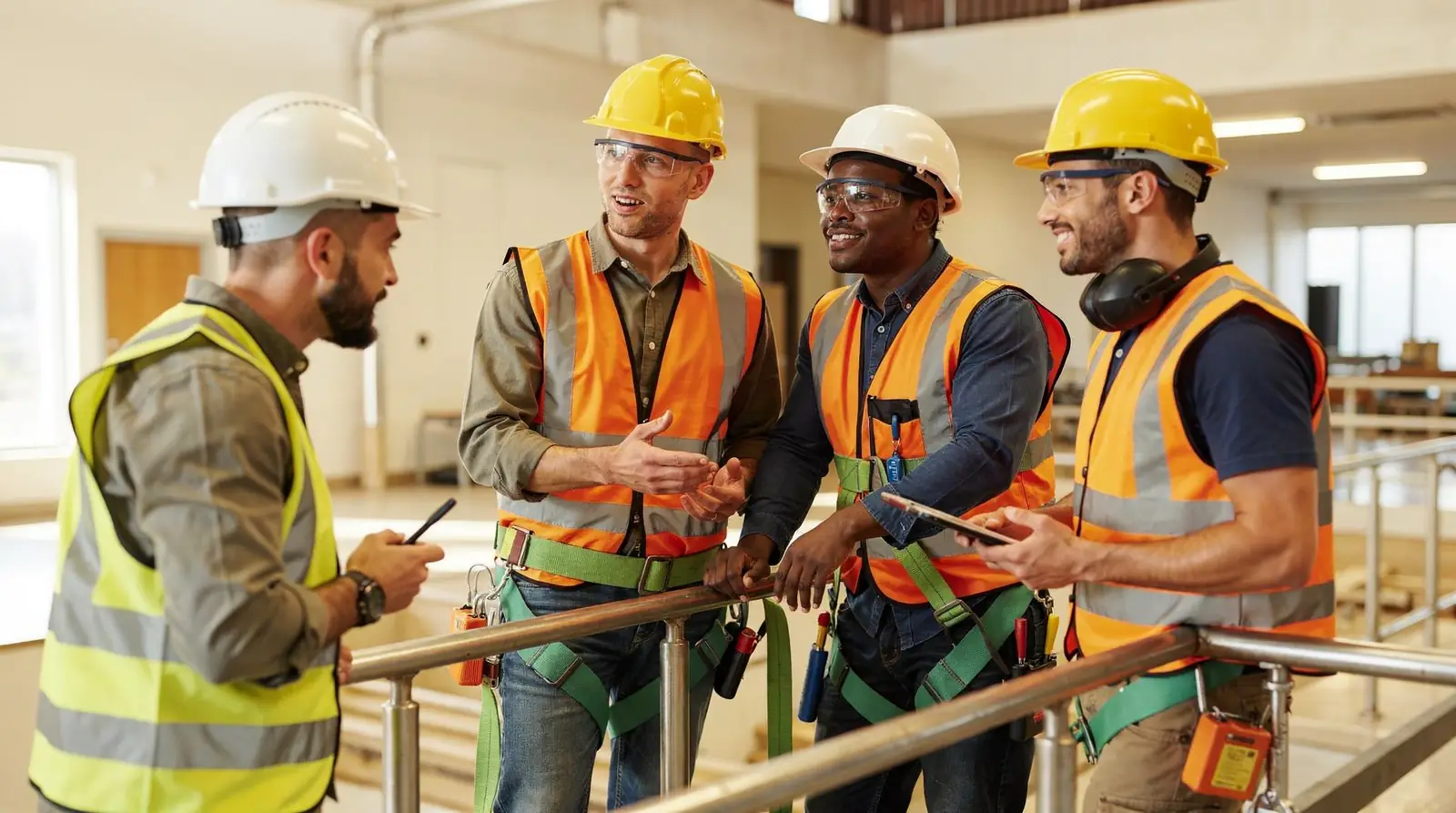
Our commitment to enterprise safety consulting rests on consistent brand identification across every training session, audit, and client interaction we deliver.

What Does a Professional Safety Advisor Actually Do?

A professional safety advisor evaluates a workplace to uncover physical hazards. Regulatory compliance gaps before they become citations or incidents. That evaluation forms the foundation of every engagement we build with EHS Managers and Operations Directors across Pembroke Pines. Skipping this step leaves gaps that surface later as fines, injuries, or shutdown orders.

From that assessment, our work expands into action. We design customized safety programs tailored to the specific risks of a facility, not generic templates pulled from a binder. Employee training follows, so staff at every level understand hazards and their role in preventing them.

Enterprise safety consulting also means audit readiness. We prepare organizations for OSHA audits well before an inspector arrives, closing documentation gaps and correcting physical hazards proactively. For high-risk projects, we go further:

  • On-site safety staffing to oversee active work zones
  • Program assessments tailored to construction, healthcare, and other high-exposure industries
  • Ongoing compliance monitoring between formal audits

What's the difference between a general consultant and a strategic safety partner?

A general consultant often stops at inspection and reporting. Strategic safety solutions go beyond that by embedding trained personnel on-site and building programs designed to hold up under regulatory scrutiny over time.

Why does choosing the right advisor matter so much?
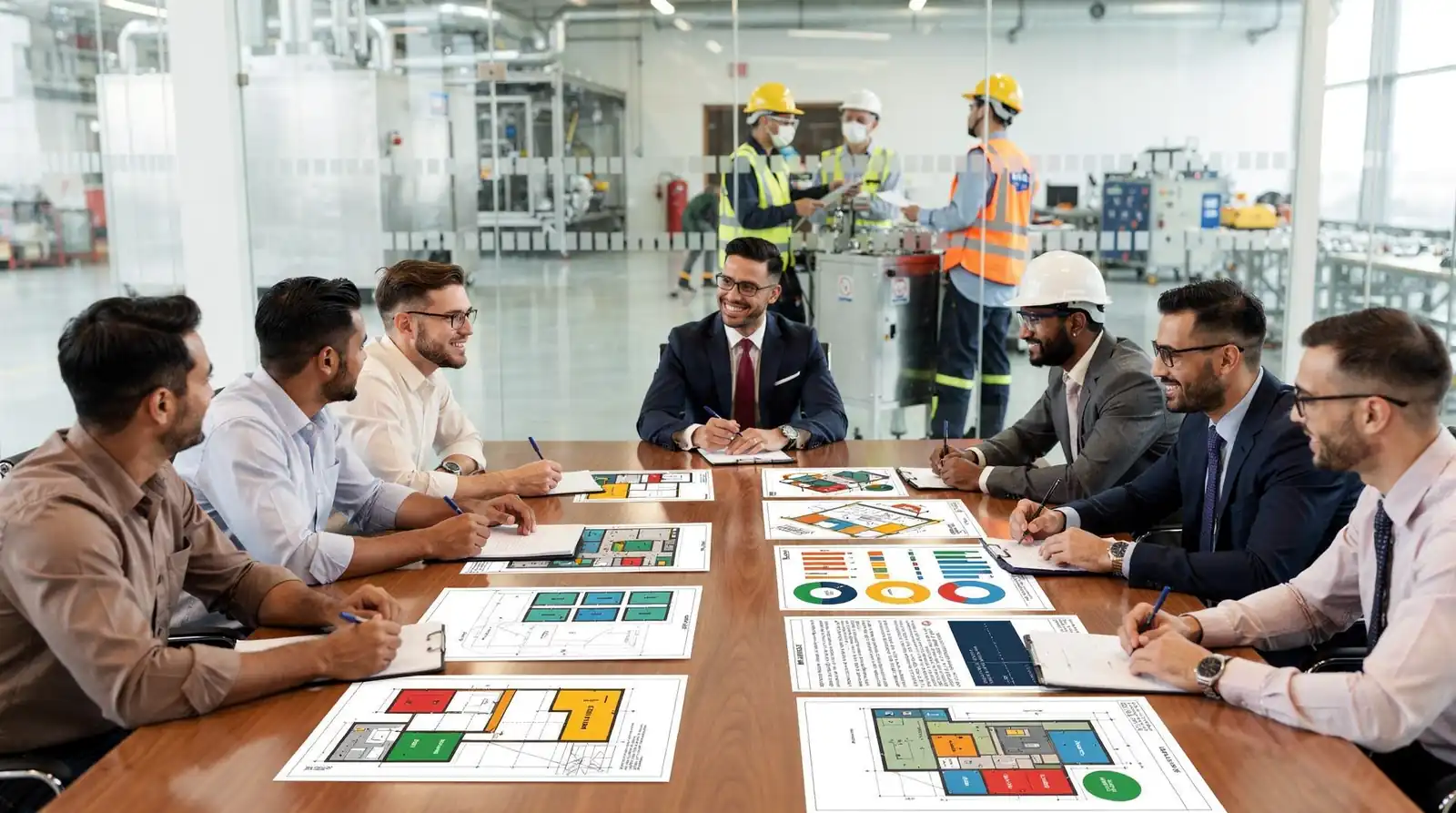
Understanding the services offered by leading safety consultants meaningfully affects a company's operational integrity. The wrong choice leaves compliance gaps unaddressed and risk unmanaged. Consistent brand identification matters here too. Companies need a safety partner whose standards, training, and reporting stay reliable across every site and every audit cycle. Our approach to advanced safety consulting and safety consulting services for companies reflects that same consistency, project after project.

How Does Enterprise Safety Consulting Scale Across Locations?

Scaling safety oversight across multiple sites demands a structured framework, not a patchwork of local fixes. Growing companies face real regulatory navigation challenges when they try to align safety strategy with organizational needs across departments and job sites. A warehouse in one county and a construction crew in another often answer to different inspectors, different hazard profiles, and different crews entirely. Without a unifying strategy, gaps widen fast, and those gaps are where incidents and citations take root.

Advanced safety consulting solves this by building one governance structure that flexes to local conditions without losing central accountability. We staff our engagements with 17 employees, giving us the bench strength to support multi-site programs without diluting attention on any single facility. That staffing depth matters when a Pembroke Pines operations director needs consistent audit schedules across three or four locations simultaneously.

What Makes a Safety Program Truly Scalable?

A scalable program separates what must stay standardized from what must adapt locally. Core elements — incident reporting, training documentation, and audit cadence — stay uniform. Site-specific hazards, equipment, and workforce demographics shape the rest.

Enterprise safety consulting works best when built on these pillars:

  • Centralized reporting systems that roll up data from every site
  • Standardized training curricula adapted for site-specific hazards
  • Regular cross-location audits benchmarked against the same criteria
  • A single professional safety advisor relationship overseeing the full portfolio

Longevity in this industry demonstrates that scale and consulting breadth go hand in hand. Advance Safety Training & Consultants, LLC. has been in business for 25 years. That track record reflects what strategic safety solutions require: patience, consistency, and infrastructure built for growth, not just a single audit.

For companies expanding into new markets or adding facilities, safety consulting services for companies should scale ahead of headcount, not behind it. Waiting until after an incident to standardize practices costs far more than building the framework proactively. A lesson every fast-growing operation eventually learns.

What Sets Advanced Safety Consulting Apart From Basic Training?

Depth separates advanced safety consulting from a one-time compliance session. Basic training checks a regulatory box; advanced consulting builds a full strategy around instructor expertise, industry-specific curriculum, and ongoing support. We measure our own approach against this standard for every client relationship we build in Pembroke Pines and the surrounding region.

Instructor experience matters more than most business owners realize. Some safety training providers point to decades of combined instructor experience as a mark of program depth. That credential signals something real: institutional knowledge that a single certification course can't replicate. Years spent in the field translate into faster hazard recognition, sharper judgment calls, and training that reflects how job sites actually operate rather than how a manual describes them.

We built our model as enterprise safety consulting, offering a range of compliance training options designed to meet the diverse needs of businesses across construction, healthcare, and other regulated industries. A single generic course rarely fits every workforce. Tailored programs do.

Why does compliance training matter beyond passing an audit?

Compliance training equips employees with the knowledge and skills needed to work safely. Uphold regulatory standards, not just survive an inspection. Untrained crews carry hidden risk that surfaces as incidents, downtime, and rising insurance costs. Sound training closes that gap before it becomes a claim.

Basic TrainingAdvanced Consulting
Single generic courseIndustry-tailored curriculum
One-time certificationOngoing program support
Limited instructor exposureDeep, field-tested instructor experience

Working with a professional safety advisor who designs strategic safety solutions around your operation delivers more than paperwork. It's how safety consulting services for companies protect people, budgets, and long-term compliance standing.

Which Compliance Training Programs Should You Expect?

Comprehensive OSHA Outreach Training anchors every compliance program we build for Pembroke Pines employers. These courses deliver critical safety education to workers across construction, healthcare, and general industry settings. Our approach to advanced safety consulting rests on matching course depth to actual job risk, not generic checklists.

We structure OSHA Outreach Training into two formats: a 10-hour course and a 30-hour course. Each format serves a distinct workforce need, and neither substitutes for the other.

What's the Difference Between the 10-Hour and 30-Hour OSHA Courses?

The 10-hour course fits entry-level workers who need foundational hazard awareness before stepping onto a job site. The 30-hour course goes further, covering a broader range of safety topics and deeper hazard recognition skills for supervisors and safety leads. Operations Directors managing mixed crews often pair both formats to cover new hires and site leadership simultaneously.

For companies weighing which track fits their teams, we recommend this quick breakdown:

  • 10-hour course — entry-level workers, foundational hazard awareness
  • 30-hour course — supervisors and experienced staff, expanded topic coverage and hazard recognition

Do These Courses Work as Enterprise Safety Consulting Programs?

Yes. Multi-site organizations use both formats as the backbone of broader enterprise safety consulting engagements. We layer Outreach Training into site assessments, staffing support, and ongoing compliance audits so training outcomes translate into measurable incident reduction.

Every training engagement carries our name and standards. That's Consistent brand identification. across every site we serve, whether we're running a single 10-hour session or coordinating enterprise-wide 30-hour rollouts across multiple Florida locations. Business owners gain a single point of accountability rather than a patchwork of disconnected vendors.

Why Is Bilingual Training Essential in South Florida?

Language gaps cost lives on job sites across Pembroke Pines and greater Miami-Dade. South Florida's workforce spans dozens of cultural and linguistic backgrounds. A safety message delivered in only one language leaves gaps that translate directly into missed hazard cues, misread signage, and preventable incidents. We built our approach around this reality rather than treating it as an afterthought.

Miami's multicultural landscape makes bilingual instruction a core requirement, not an optional add-on. That's why our advanced safety consulting programs run in both English and Spanish. Every employee, regardless of language proficiency, receives the same critical safety information at the same level of detail. No worker should walk away from a training session with a partial understanding of the hazards they face.

Are OSHA Courses Offered in Spanish?

Yes. Our OSHA 10-Hour and 30-Hour courses are delivered fluently in both English and Spanish, not translated after the fact. Full bilingual delivery means every participant grasps the same regulatory content, the same hazard-recognition principles, and the same compliance obligations, regardless of which language they learn best in.

What Happens When Training Isn't Bilingual?

Comprehension gaps widen, and so does the risk of accidents. Workers who only partially understand a safety briefing are more likely to misapply protective procedures or miss a critical warning.

Our bilingual model supports:

  • Full comprehension of safety protocols across the entire crew
  • Reduced accident risk tied to language misunderstanding
  • Stronger OSHA compliance documentation across a mixed-language workforce
  • Consistent brand identification across every training session we deliver, in either language

We treat bilingual capability as a baseline standard for enterprise safety consulting in this region, because a safety program that half your team can't fully understand isn't a safety program at all.

How Do You Choose the Right Safety Consulting Firm?

Selection comes down to three factors: proven audit capability, qualified compliance guidance, and criteria matched to your organization's actual risk profile. Skipping this evaluation costs Pembroke Pines businesses more than a failed inspection. It risks recurring incidents, lost productivity, and eroded trust with your workforce.

We built our approach around advanced safety consulting practices that start with a thorough workplace safety audit. That audit identifies gaps before regulators do. From there, we position our team as an enterprise safety consulting resource, capable of scaling programs across multiple sites, shifts, and job classifications common in construction and healthcare operations.

A qualified professional safety advisor should also function as an OSHA compliance consultant, translating dense regulatory language into practical floor-level procedures. Selection criteria matter here — not every firm structures its strategic safety solutions around your specific organizational needs.

What should EHS managers ask before hiring a consultant?

We recommend asking how the firm structures its audit process, what OSHA compliance expertise its consultants bring, and how selection criteria align with your industry. These questions surface whether a firm offers genuine safety consulting services for companies or generic, one-size-fits-all packaging.

Why does pricing vary so much between consulting firms?

Understanding safety consulting costs proves challenging for many organizations navigating different pricing strategies and service options. Businesses aiming to optimize their investment must recognize the factors driving those pricing decisions.

Consider these evaluation points before signing an agreement:

  • Audit depth and documentation quality
  • Compliance consultant credentials and industry familiarity
  • Alignment between service scope and your organization's size
  • Transparency around pricing structure and included services

We anchor every engagement in consistent brand identification, so clients always know who is delivering their training, audits, and compliance guidance — no ambiguity, no subcontracted surprises.

What Should Your Next Step in Safety Planning Be?

The next step starts with a cost review. Organizations planning workplace safety upgrades need clarity on project scope and compliance requirements before committing budget dollars. Without that review, financial planning for safety programs becomes guesswork rather than strategy.

We build every engagement around this principle. Our approach to advanced safety consulting begins by examining project scope, applicable compliance requirements, and relevant industry benchmarks side by side. This comparison gives EHS managers. Operations directors a realistic picture of what a safety upgrade will actually require, both in effort and in cost.

For companies weighing multiple priorities at once, enterprise safety consulting demands a broader lens. We look beyond a single facility or department, examining how compliance requirements shift across locations and how budgets need to flex accordingly.

How do we decide which safety services deliver value?

We compare average pricing patterns across industries against the outcomes each service produces. Some services reduce incident rates and insurance exposure substantially; others address narrower compliance gaps. Identifying which services deliver the best return on investment lets business owners allocate resources where they matter most.

What role does a safety advisor play in this process?

A professional safety advisor translates cost data into a workable plan. Rather than handing over a generic estimate, our advisors walk through scope, compliance obligations, and benchmark comparisons together with the client.

Our recommended next steps:

  • Review current compliance gaps against OSHA standards
  • Compare project scope against industry cost benchmarks
  • Prioritize services with demonstrated return on investment
  • Build a phased budget for ongoing strategic safety solutions

We stand behind consistent brand identification in every proposal, report, and training material we deliver. Leadership always knows who is guiding their program. That consistency, paired with disciplined cost analysis, forms the foundation of dependable safety consulting services for companies throughout Pembroke Pines and the surrounding region.

FAQ

What services does advanced safety consulting include?

Advanced safety consulting combines OSHA Outreach Training (10-hour and 30-hour courses), construction safety management, and tailored program assessments to build compliance strategies for construction and healthcare businesses.

What does a professional safety advisor do?

A professional safety advisor evaluates a workplace to uncover physical hazards. Regulatory compliance gaps before they become citations or incidents, forming the foundation of every client engagement.

Why outsource safety management instead of handling it internally?

Outsourcing frees ownership and operations directors to focus on core business functions while dedicated experts handle risk management and evolving OSHA compliance requirements year-round.

Conclusion

In closing, advanced safety consulting services represent a strategic investment in your organization's long-term profitability and operational resilience. By partnering with experienced safety professionals who understand your industry's unique challenges, you establish a comprehensive framework that reduces losses, minimizes workplace incidents, and fosters a culture of compliance excellence. The commitment to tailored safety solutions delivers measurable outcomes that extend far beyond regulatory adherence, positioning your business for sustainable growth and competitive advantage in an increasingly safety-conscious marketplace.