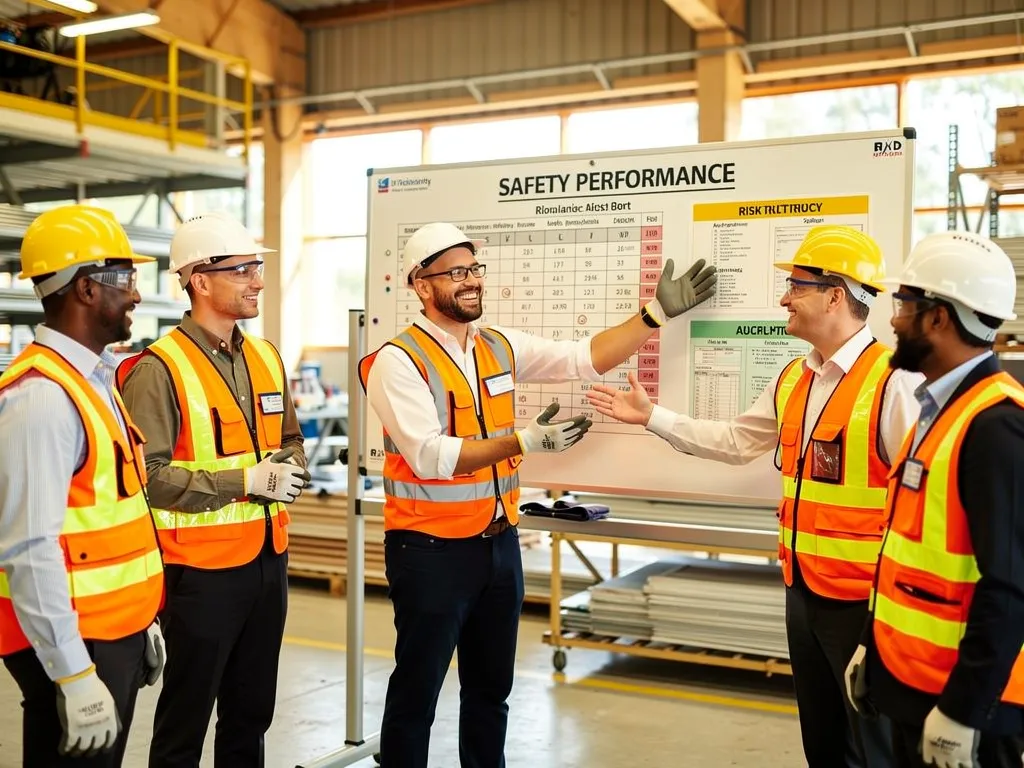


Behavioral risk assessment methods combine direct observation, incident-pattern analysis, and structured interviews to identify unsafe worker actions before they cause injury. We evaluate behaviors against OSHA compliance standards, then design corrective coaching and training programs. This structured approach, paired with our on-site consulting across Florida, reduces incident rates and strengthens long-term safety culture for organizations.

Key Takeaways

  • Behavioral risk assessment identifies how likely individuals harm themselves or others during crises.
  • Safety planning with clients creates concrete strategies to prevent harm in high-risk situations.
  • Competency-based assessment frameworks ensure professionals deliver real-world insights beyond theoretical knowledge alone.
  • Rocky Zapata Safety Consulting's 17-person team applies evidence-based methods across Doral operations.

Why Does Behavioral Risk Assessment Matter Now?

Workplace incidents rarely happen without warning signs. A structured behavioral risk assessment catches those signs before they become injuries, citations, or worse. We treat this discipline as the foundation of every safety program we build. The stakes of getting safety strategy wrong are high. Organizations that fail to maintain OSHA compliance risk penalties, downtime, and lasting damage to operational integrity.

Selecting the right approach to safety consulting carries real consequences. Companies that understand the full range of services. Components available to them position themselves to protect both their workforce and their bottom line. Those that skip this step often discover gaps only after an incident forces the issue.

Is Behavioral Risk Assessment Part of a Larger Trend?

Yes. Criminal justice and public safety agencies have moved steadily toward data-driven decision making to supervise and manage at-risk populations. We see the same shift in industrial and construction settings, where leaders now demand evidence over assumption when they assess safety culture across a site.

This parallel matters. It confirms that structured, evidence-based evaluation — not gut instinct — now drives sound risk management across industries.

What Makes a Behavioral Risk Assessment Effective?

No single method fits every workplace. Various approaches and tools exist to support risk-related decisions. Traditional models often emphasize long-term, individual risk factors over immediate warning behaviors. We combine several of these:

  • Lead indicators behavioral risks — near-misses, unsafe acts, and reporting trends that predict incidents before they occur
  • Workplace behavior risk tools — structured checklists and observation frameworks for supervisors
  • A documented behavioral safety assessment template that standardizes evaluations across every site we serve

What Methods Define Behavioral Risk Assessment?

Two disciplined methods define behavioral risk assessment: structured job site audits and evidence-based clinical risk models adapted for the workplace. Both approaches share a common goal. Each replaces guesswork with documented, repeatable evaluation.

We build our audit process around comprehensive evaluations designed to assess compliance with safety standards. Identify potential hazards before they cause harm. These evaluations matter because they minimize workplace accidents. Confirm that safety protocols function as intended, not just on paper. An effective audit examines several core elements together, rather than treating compliance as a single checklist item.

We also draw on models used to assess safety culture originating outside traditional workplace safety. Health care professionals have long assessed individuals to determine risk for aggressive or adverse events, using structured findings to guide decisions about supervision and intervention. We apply that same discipline to job sites: structured observation replaces subjective impressions.

How does behavioral risk assessment differ from traditional risk analysis?

Traditional risk assessment approaches focus on long-term, individual risk factors drawn from historical or static information. Behavioral assessment, by contrast, prioritizes current, observable actions on the floor or site. This shift lets us catch lead indicators behavioral risks produce before an incident occurs, rather than analyzing causes after the fact.

Our methodology combines these approaches into a practical framework:

  • Pre-audit review of prior incidents and historical compliance records
  • On-site observation using structured workplace behavior risk tools
  • Structured interviews with supervisors and crew members
  • Documentation using a standardized behavioral safety assessment template
  • Follow-up verification confirming corrective actions took hold

Each step reinforces the next, building a defensible, repeatable record for our clients.

How Do You Assess Safety Culture Accurately?

Accurate assessment starts with a behavioral risk assessment built on direct observation, not assumption. Safety culture reveals itself through daily worker behavior, not policy binders sitting on a shelf. We treat this as the foundation of every engagement. A culture read from paperwork alone misses what happens on the floor.

Our process to assess safety culture begins with a comprehensive evaluation of the workplace. We identify specific hazards, review regulatory requirements, and study operational needs before recommending a single change. This groundwork lets us develop safety programs tailored to the realities of each site, rather than generic checklists that ignore how a crew actually operates.

Proactive measures matter here. Addressing current safety issues does more than fix today's problem; it cultivates a lasting culture of safety among workers. That shift, from reactive fixes to proactive habits, is what separates a compliant workplace from a genuinely safe one.

What Gets in the Way of an Accurate Assessment?

Aligning safety strategy with organizational needs remains one of the toughest parts of this work. Regulatory environments grow more complex each year, and a strategy that fits one facility may not translate to another. Site supervisors and EHS directors face this tension constantly: balancing compliance obligations against production pressures and staffing realities.

What Should a Culture Assessment Actually Measure?

We look for lead indicators behavioral risks produce long before an incident occurs, including near-misses, shortcut behaviors, and inconsistent PPE use. These signals function as early warnings, not afterthoughts. Our teams pair observation with structured tools:

  • On-site behavioral audits tied to specific job tasks
  • Worker interviews to surface unreported hazards
  • Workplace behavior risk tools that track patterns across shifts and crews
  • A documented behavioral safety assessment template for consistent, repeatable scoring

This combination gives leadership a clear, evidence-based picture of where culture is strong and where it needs reinforcement.

What Are Lead Indicators Of Behavioral Risks?

Lead indicators of behavioral risks are early warning signs that predict harm before an incident occurs, rather than metrics that simply record injuries after the fact. We rely on structured audit methods and hazard identification practices to surface these signals across job sites. These practices play a vital role in safety management for construction crews, manufacturing floors, and healthcare facilities alike.

Prior behaviors carry weight in this analysis. A behavioral risk assessment looks closely at risk identification factors such as prior conduct, documented history, and access to means of harm, treating these as leading signals rather than lagging statistics. We apply this same logic when we assess safety culture on a site, pulling behavioral patterns to the surface long before they escalate into recordable events.

Which Behaviors Should Supervisors Track First?

Supervisors should prioritize repeated near-misses, disregard for established procedures, and unsafe shortcuts under deadline pressure. These patterns function as lead indicators behavioral risks teams can act on immediately, rather than waiting for an incident report to confirm the danger.

We organize tracking around three categories:

  • Behavioral consistency — repeated deviations from trained procedure
  • Environmental exposure — proximity to hazards or means of harm
  • Communication gaps — unreported concerns or near-misses

How Do We Turn Observations Into Action?

Identifying how likely a behavior is to result in harm lets our team build a personalized mitigation plan for that site or crew. This preventive approach mirrors the way clinical teams manage crisis risk, applied instead to daily operations. Our workplace behavior risk tools, paired with a structured behavioral safety assessment template, translate raw observations into documented corrective steps that supervisors can execute the same shift they identify the concern.

Which Workplace Behavior Risk Tools Work Best?
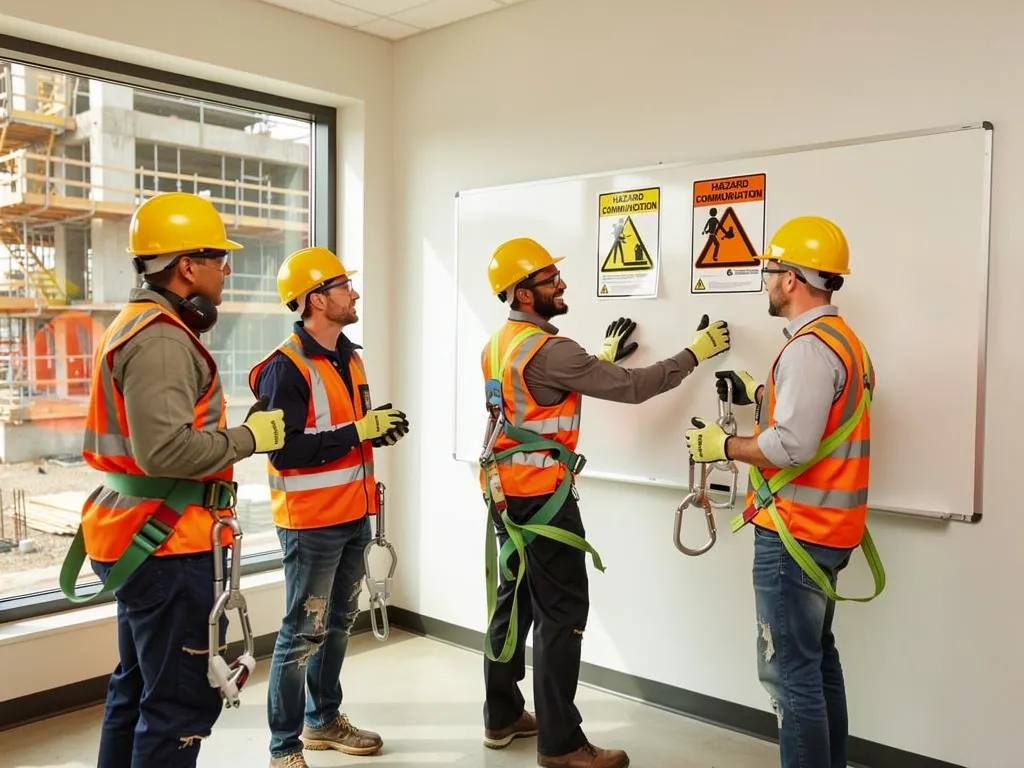
Structured OSHA training programs stand out as the most effective workplace behavior risk tools available to Florida employers today. We build our approach around 10-hour and 30-hour outreach courses, hazard communication training, and fall protection certification, each designed to shift how workers recognize and respond to danger on the job. These programs do more than satisfy compliance checklists; they change behavior at the point where incidents actually happen.

Our OSHA Outreach Training courses deliver critical safety education to workers across construction, manufacturing, and general industry settings. We structure this education around two formats that serve different experience levels on the crew.

Course FormatBest Suited ForFocus
10-hour courseEntry-level workersFoundational hazard recognition
30-hour courseSupervisors, experienced staffBroader range of workplace risks

The 10-hour course gives newer employees a working vocabulary for hazard recognition. The 30-hour course pushes supervisors and veteran staff toward more comprehensive risk fluency. Layering both formats across a workforce creates a shared safety language, one that supports every later effort to assess safety culture on site.

How Do These Tools Identify Lead Indicators of Behavioral Risk?

Structured assessment tools flag warning signs before they escalate into incidents, functioning much like the recommendation frameworks used to manage individuals presenting a safety risk. We apply this same logic to workplace behavior: consistent observation, documented near-misses, and supervisor feedback loops serve as lead indicators behavioral risks that precede injury. Tracking these signals lets site leaders intervene early rather than react after an incident report gets filed.

Can Training Programs Double as a Behavioral Safety Assessment Template?

Yes. A well-documented OSHA training curriculum, paired with certification records and hazard communication logs, functions as a practical behavioral safety assessment template. It gives safety managers a repeatable structure for evaluating worker readiness, not a one-time event.

How Do Audits Support Behavioral Assessments?
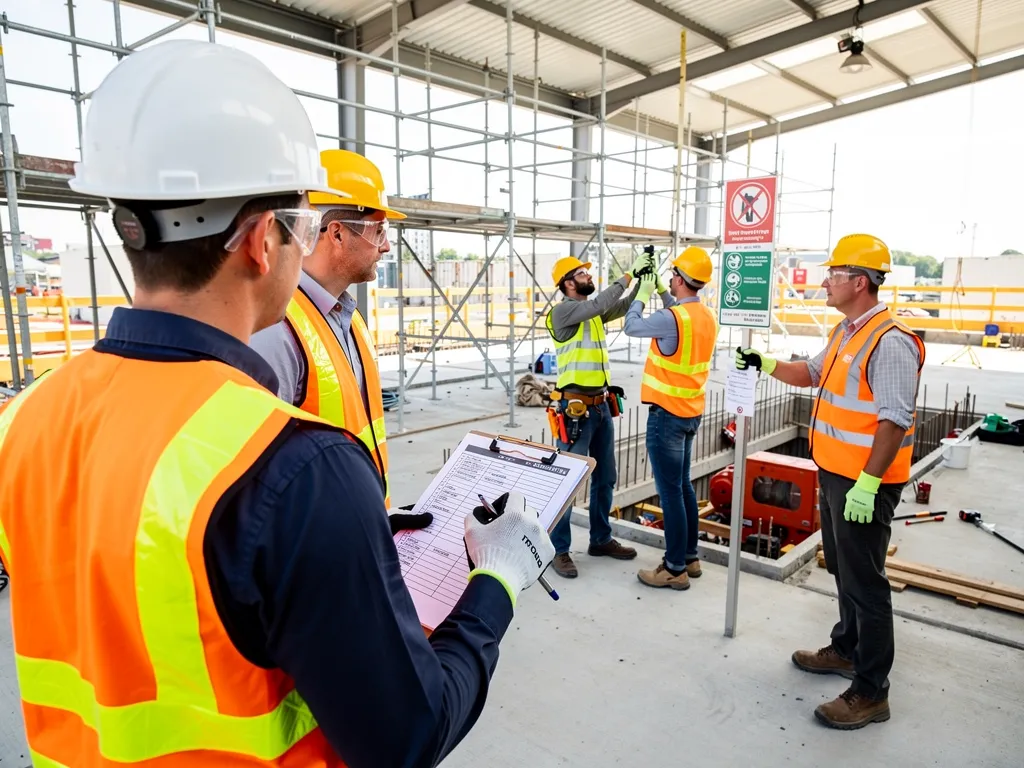
Audits give behavioral assessments a factual backbone. Workplace safety audits reduce risk and build a safer working environment by turning observation into documented evidence we can act on. Rather than guessing at behavioral trends, our team pairs job site inspections with structured behavioral risk assessment to see how people actually work, not just how policy says they should.

Expert job site audits serve a dual purpose in this process. They evaluate compliance with established safety standards, and they surface hazards tied directly to behavioral patterns — rushed procedures, skipped lockout steps, or inconsistent PPE use. This dual lens helps us assess safety culture with evidence rather than assumption, connecting what workers do with what the culture actually rewards or overlooks.

What makes audit findings useful for reducing incidents?

Audit findings matter because they drive action, not just paperwork. Findings are crucial for minimizing workplace accidents and ensuring that safety protocols get implemented consistently across shifts and crews. We treat each audit as a checkpoint that either confirms a protocol works or exposes where it breaks down in daily practice.

Can audit trends reveal early warning signs?

Yes, and this is where lead indicators behavioral risks come into focus. Traditional risk decisions often relied on static, historical factors like prior incident records — a backward-looking method. Reviewing audit trends over time works similarly but shifts the focus forward, flagging emerging patterns before they become injuries.

A complete audit program typically includes:

  • Pre-inspection planning aligned with site-specific hazards
  • On-site observation using consistent workplace behavior risk tools
  • Documented findings compared against a standardized behavioral safety assessment template
  • Follow-up review to confirm corrective actions took hold

Consistent brand identification across every audit report keeps findings comparable from site to site, giving leadership a reliable record for tracking behavioral progress over time.

How Do You Build A Behavioral Safety Assessment Template?

Strong templates start with compliance training as the foundation, not an afterthought. We build every behavioral risk assessment tool around the knowledge and skills employees need to work safely and meet regulatory standards. Without that grounding, a template becomes a checklist with no teeth behind it.

From there, we tailor the instrument to the hazards our clients actually face. Generic questionnaires miss the mark because construction sites and healthcare facilities carry entirely different risk profiles. Our approach draws on customized training programs built around specific workplace hazards. We translate those same priorities into the observation criteria and scoring categories that make up the assessment itself.

What Sections Belong In A Behavioral Safety Assessment Template?

A functional template organizes observations into clear categories rather than a single long list. We recommend structuring the document around these core elements:

  • Hazard identification fields matched to the specific tasks and equipment on site
  • Observation criteria that let supervisors document behavior objectively, not just outcomes
  • Compliance benchmarks tied to the knowledge employees receive in training
  • Follow-up action items assigning ownership and timelines for corrective steps
  • Language accessibility notes confirming the tool works for every crew member

Why Does Language Access Matter In Template Design?

Language access determines whether a template captures accurate data or misses critical input from part of the workforce. We offer training in both English and Spanish, ensuring every employee receives crucial safety information regardless of language proficiency.

In Miami's multicultural landscape, this consideration cannot be an afterthought. A bilingual template extends the reach of workplace behavior risk tools across the full crew, closing gaps that a single-language document leaves open. Building both languages into the assessment from the start protects data quality and keeps every worker engaged in the safety conversation.

What Should Your Next Step Be?

A structured behavioral risk assessment starts with a direct conversation about where your organization stands today. Waiting for an incident to expose gaps in supervision or training costs far more than a proactive review. We built our practice, based in Doral, Florida, to close that gap before it turns into a claim, a citation, or a lost workday.

Our team of 17 professionals delivers specialized safety consulting services. Every engagement begins the same way: an honest look at how workers actually behave on the job, not just what the policy manual says should happen. We don't hand over a generic template and walk away. We work alongside your crews.

How do we assess safety culture on-site?

We send consultants directly to your facility rather than relying on remote audits. This on-site presence lets us observe how supervisors reinforce safe behavior, how lead indicators behavioral risks show up in daily routines, and where gaps exist between written procedure and actual practice. Our team provides on-site training and consulting services at client locations. We tailor every recommendation to the conditions we see firsthand.

Where do we provide this service?

We serve businesses across South Florida, West Coast Florida, and Central Florida, meeting clients wherever their operations run. Each region carries its own regulatory pressures and workforce challenges. We adjust our approach region by region rather than applying a one-size-fits-all method.

Ready to move forward? Consider these steps:

  • Request an on-site evaluation to assess safety culture across your teams.
  • Ask about workplace behavior risk tools suited to your industry.
  • Review our behavioral safety assessment template options before your next audit cycle.

Consistent brand identification remains central to how we present findings, recommendations, and follow-up support across every regional engagement we take on.

FAQ

What methods make up behavioral risk assessment?

Behavioral risk assessment combines direct observation, incident-pattern analysis, and structured interviews to identify unsafe worker actions. Rocky Zapata Safety Consulting evaluates these behaviors against OSHA compliance standards before designing corrective coaching and training programs.

Why does behavioral risk assessment matter for workplace safety?

Workplace incidents show warning signs before injuries occur, and structured assessment catches these signs early. Organizations that skip this step risk OSHA penalties, downtime, and lasting damage to operational integrity.

What tools support an effective behavioral risk assessment?

Effective assessment relies on lead indicators like near-misses and unsafe acts, workplace behavior risk checklists, and a documented behavioral safety assessment template. Rocky Zapata's 17-person team applies these evidence-based methods across Doral operations.

Conclusion

In closing, behavioral risk assessment methods represent a critical investment in your organization's long-term safety culture and operational resilience. By systematically evaluating human factors and decision-making patterns, your business identifies vulnerabilities before incidents occur, directly protecting both your workforce and your bottom line. Implementing these evidence-based approaches transforms safety from a compliance checkbox into a strategic competitive advantage, positioning your organization for sustainable growth and measurable loss reduction across all operational levels.