OSHA Compliance Consultant: Expert Safety Solutions for Your Business

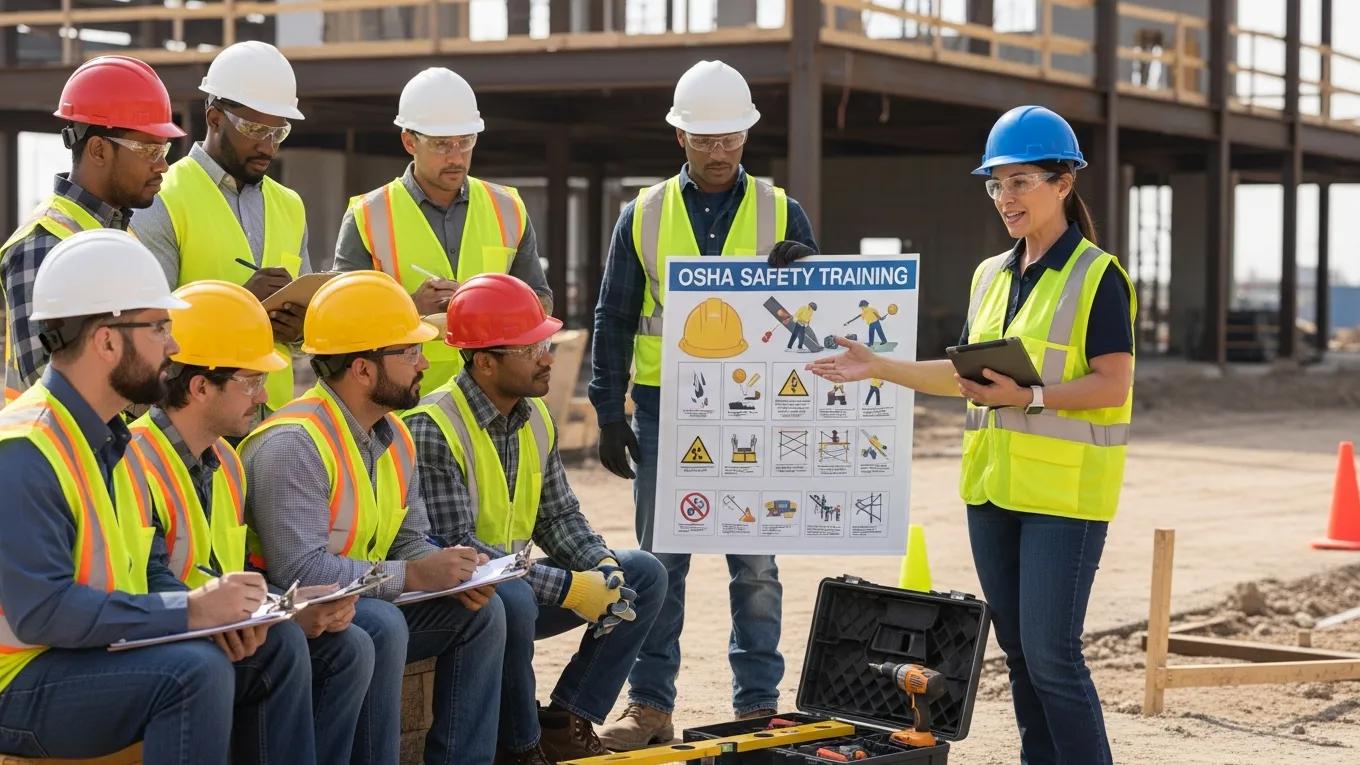
Diverse construction team participating in OSHA safety training led by a consultant

OSHA Compliance Consultant: Expert Safety Solutions for Your Business
Ensuring a safe workplace is not just a legal obligation but a fundamental aspect of ethical business practices. OSHA compliance consultants specialize in helping businesses navigate the complex landscape of occupational safety and health regulations, ensuring they meet required standards. This article delves into the essential strategies, practices, and initiatives that organizations can implement to enhance workplace safety, prevent incidents, and promote a culture of safety. By understanding OSHA compliance and the benefits it provides, businesses can avoid costly fines and safeguard their employees' well-being. We will explore OSHA compliance audits, custom safety program development, and the role of ongoing training in creating a safer workplace.

Essential Compliance Strategies

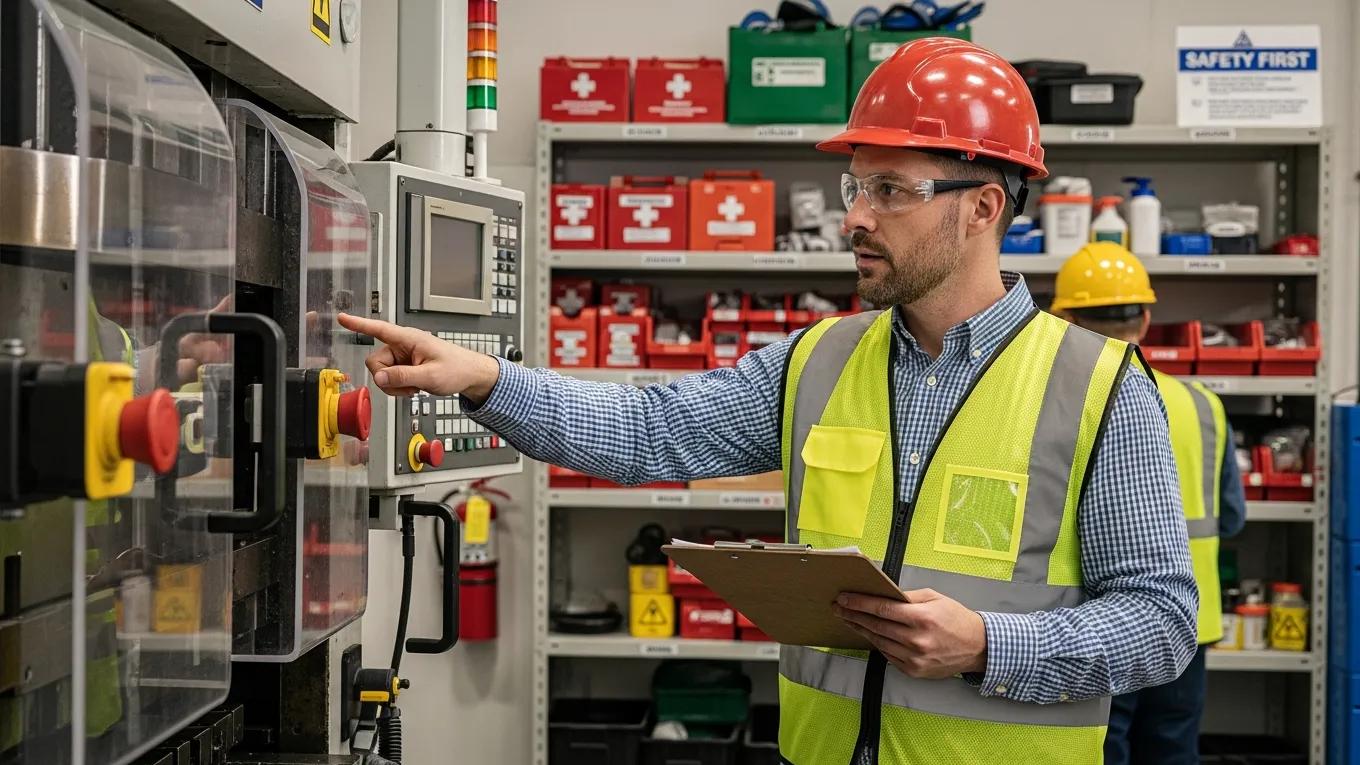
A foundational aspect of OSHA compliance is the implementation of effective safety strategies tailored to each organization's unique needs. These strategies not only foster a safer work environment but also enhance productivity and employee morale. The following are key components essential for achieving OSHA compliance:

ServiceDescriptionBenefits
OSHA Compliance AuditsDetailed evaluations of current safety practices against OSHA regulationsIdentify gaps in compliance, enhance safety management
Customized Safety Program DevelopmentTailored programs that address specific industry risksImproved safety outcomes, better employee engagement
OSHA TrainingComprehensive training sessions on OSHA regulations and safety practicesIncreased awareness, compliance, and risk mitigation

OSHA Compliance Audits

OSHA compliance audits serve as a critical tool in evaluating a workplace's adherence to safety regulations. These audits systematically assess existing safety policies, procedures, and practices against established OSHA standards. Conducting an audit involves detailed steps, such as reviewing compliance documentation, interviewing employees, and inspecting work areas. Common findings from these audits may include inadequate training records, missing safety equipment, or insufficient hazard communication. Addressing these issues promptly not only helps in adhering to OSHA regulations but also enhances the overall safety culture within the organization.

Customized Safety Program Development

Developing a customized safety program is imperative for effectively managing workplace hazards. Each industry faces unique challenges, and a one-size-fits-all approach may not suffice. A personalized safety program includes risk assessments, specialized training, and tailored emergency response plans designed for specific operational environments. Organizations that invest in bespoke safety programs benefit from improved regulatory compliance and a significant reduction in workplace injuries. Furthermore, statistics show that companies with tailored safety initiatives often experience higher employee retention rates, as workers feel more valued and safe.

Benefits of In-House OSHA Compliance Programs

In-house occupational safety and health compliance programs serve two major functions: (1) providing clear evidence of an enterprise’s commitment to obeying the law, while (2) identifying hazards in time to reduce costs and potential liability.Corporate compliance in the 21st century requires pulling together scientific information and a staff that has a variety of talents, in order to obey an ever-growing cluster of laws that center around the societal need to protect occupational safety and health.

Designing an effective OSHA compliance program, IL Feitshans, 2007

This research emphasizes how such internal programs contribute significantly to both legal adherence and proactive hazard mitigation.

OSHA Training

OSHA training is fundamental in equipping employees with the knowledge and skills necessary to maintain a safe work environment. This training encompasses various topics, including hazard recognition, personal protective equipment (PPE) use, and emergency procedures. Training courses typically range from half-day workshops to full week-long sessions, depending on the complexity of the material covered. Effective training programs not only ensure compliance with OSHA standards but also result in better decision-making in hazardous situations, ultimately saving lives and reducing costs associated with accidents.

Risk Management Practices

Effective risk management practices are vital in mitigating potential workplace hazards and ensuring employee safety. Implementing these practices helps organizations identify, analyze, and address risks before they escalate into incidents. Below are effective risk management strategies that every business should consider:

  1. Incident Investigation and Prevention: Conduct thorough investigations following any workplace accident to identify root causes and implement preventive measures.
  2. Mock OSHA Inspections: Prior to official OSHA inspections, conduct mock inspections to identify compliance gaps and prepare staff for real assessments.
  3. Risk Assessments: Regularly evaluate workplace processes and environments to identify potential hazards and prioritize safety improvements.

Incident Investigation and Prevention

Incident investigation is a critical aspect of risk management that helps organizations understand the underlying factors contributing to workplace incidents. The process involves collecting data, interviewing witnesses, and analyzing equipment for potential failures. This comprehensive approach enables businesses to design effective prevention strategies and training to avert future occurrences. Implementing lessons learned from investigations fosters a proactive safety culture and underscores the importance of continuous improvement.

Mock OSHA Inspections

Mock OSHA inspections are essential in preparing for official audits, helping organizations identify weaknesses in their safety protocols. By simulating an actual OSHA inspection, businesses can address compliance issues before they are formally assessed. Common issues discovered during mock inspections may include outdated safety documentation, insufficient training programs, and lack of proper signage. Addressing these concerns proactively not only streamlines the compliance process but also mitigates the risk of penalties and fines.

Risk Assessments

Conducting regular risk assessments allows organizations to identify new hazards and mitigate them effectively. This process involves analyzing various workplace activities, technologies, and employee behaviors to determine risk levels. By prioritizing the identified risks, companies can implement targeted strategies to ensure employee safety. Additionally, ongoing risk assessments adapt to changing working conditions, ensuring that safety measures remain relevant and effective.

Employee Safety Initiatives

Fostering a culture of safety involves implementing various employee safety initiatives designed to engage and inform staff. A robust safety culture enhances employee morale and minimizes the likelihood of workplace accidents. Here are several initiatives that can be particularly effective:

  1. On-Site Safety Consulting: Provide real-time support through on-site safety consultations to help teams address compliance and safety concerns effectively.
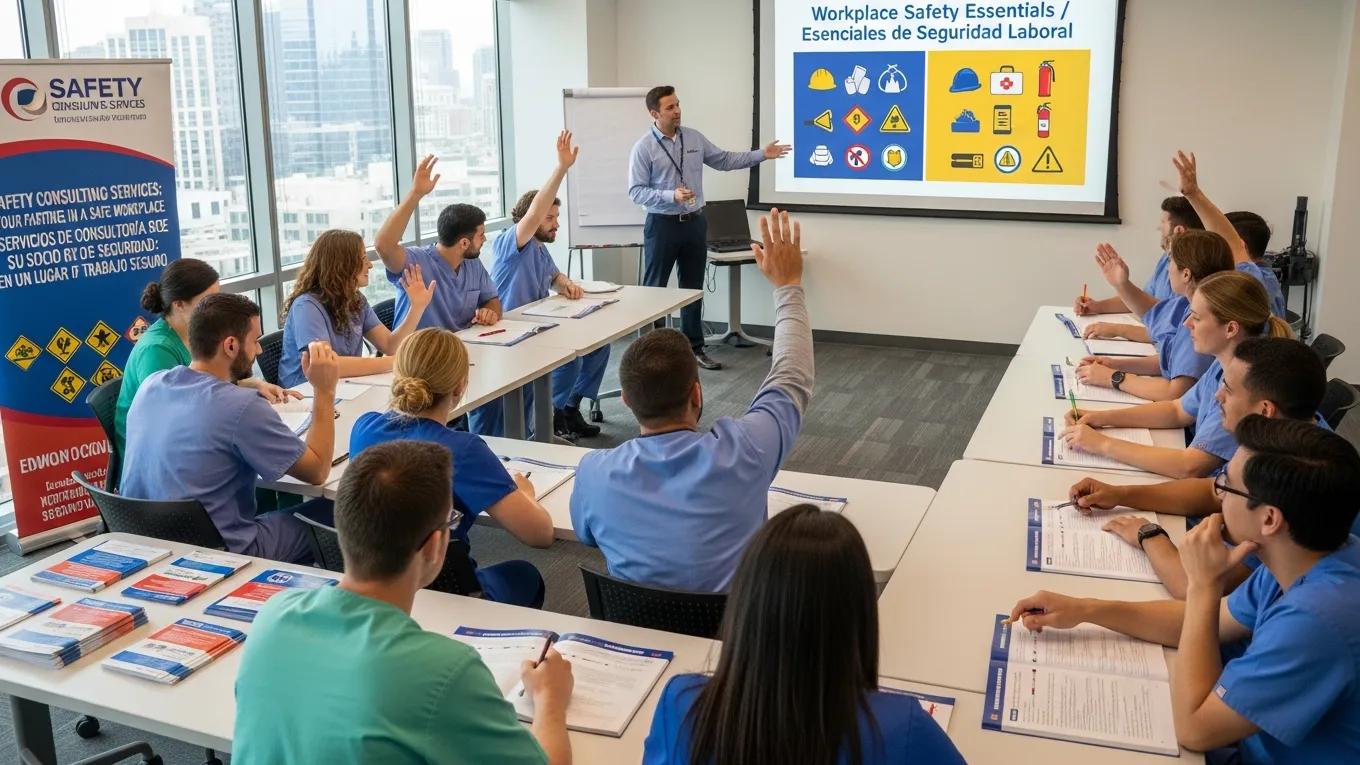
  2. Bilingual Training: Offer training programs in multiple languages to ensure that all employees, regardless of their linguistic background, understand safety protocols and procedures.
  3. Ongoing Support: Establish a system for continuous support, including refresher training and updates on new regulations and best practices.

On-Site Safety Consulting

On-site safety consulting provides businesses with valuable, real-time expertise to address immediate safety concerns. Safety consultants collaborate with staff to identify hazards and suggest practical solutions tailored to specific work environments. Feedback from on-site consulting often leads to significant improvement in safety practices and an enhanced overall safety culture. Organizations that regularly utilize consulting services typically report an increase in staff engagement and a greater commitment to adhering to safety protocols.

Bilingual Training

Bilingual training programs are crucial for workplaces with diverse workforces, ensuring that all employees fully comprehend safety instructions and procedures. By offering training in various languages, organizations enhance inclusivity and empower all workers to participate actively in maintaining safety standards. Case studies reveal that companies with bilingual training programs experience fewer incidents and create a stronger safety culture, as all employees feel equally informed and responsible for workplace safety.

Ongoing Support

Providing ongoing support is essential for maintaining a strong safety culture over time. This support can include regular training refreshers, updates on new regulations, and continuous access to safety resources. Additionally, adapting safety policies in response to changes in regulatory requirements and workplace conditions demonstrates a commitment to employee welfare and regulatory compliance. Businesses that prioritize ongoing support foster an environment where safety remains a shared responsibility among all employees.

Key OSHA Workplace Regulations

Understanding the critical OSHA workplace regulations is essential for any organization aiming to ensure safety and compliance. These regulations encompass various aspects, including training requirements, safety program mandates, inspection frequencies, and associated penalties for non-compliance. Awareness of these regulations not only aids in risk management but also promotes a proactive approach to safety.

Compliance with OSHA regulations enhances workplace safety, reduces risks and helps safeguard the well-being of all employees. By actively engaging in safety initiatives and consulting experts, businesses demonstrate their dedication to creating a safe and compliant work environment, ultimately leading to long-term success.